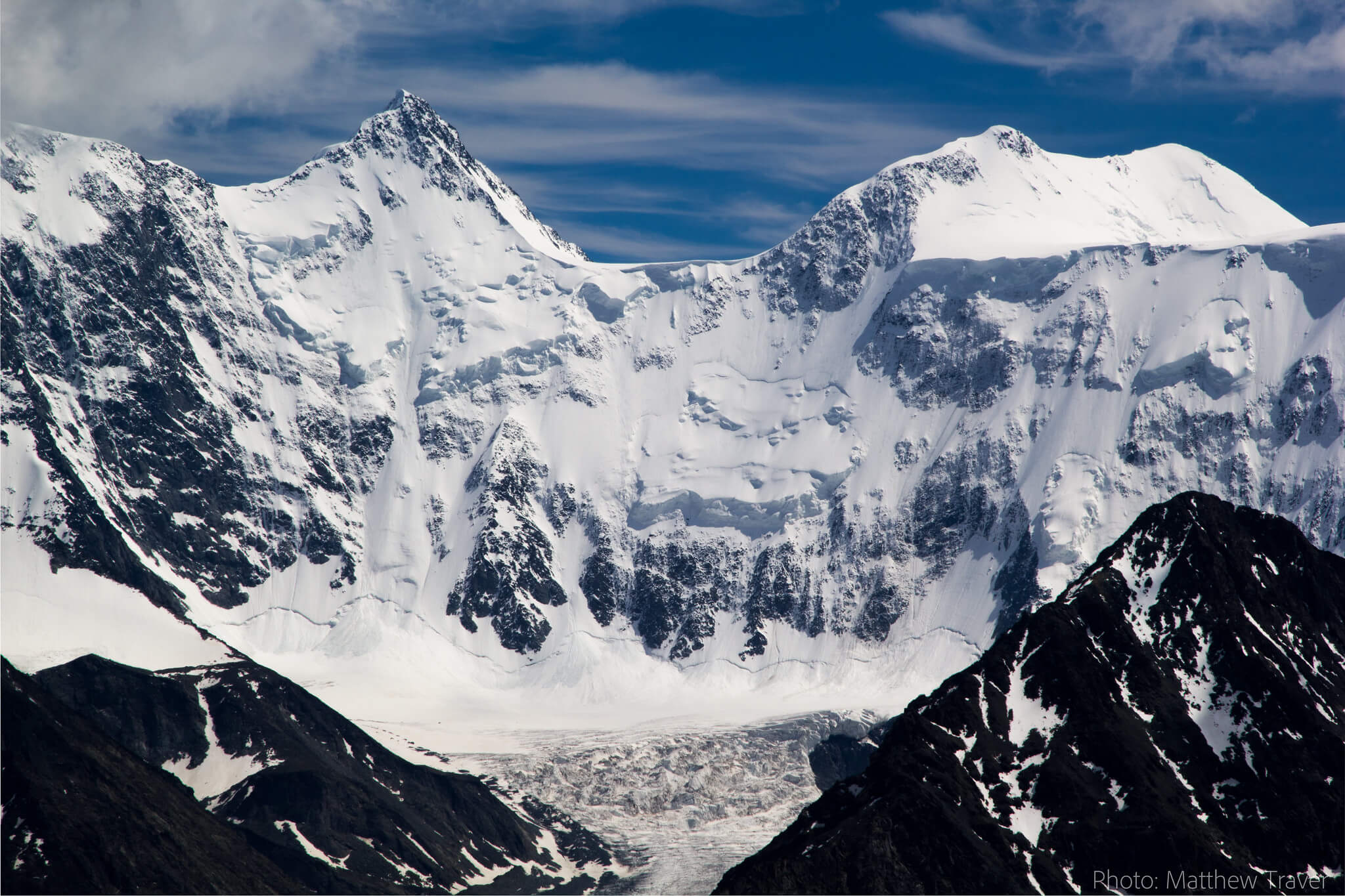
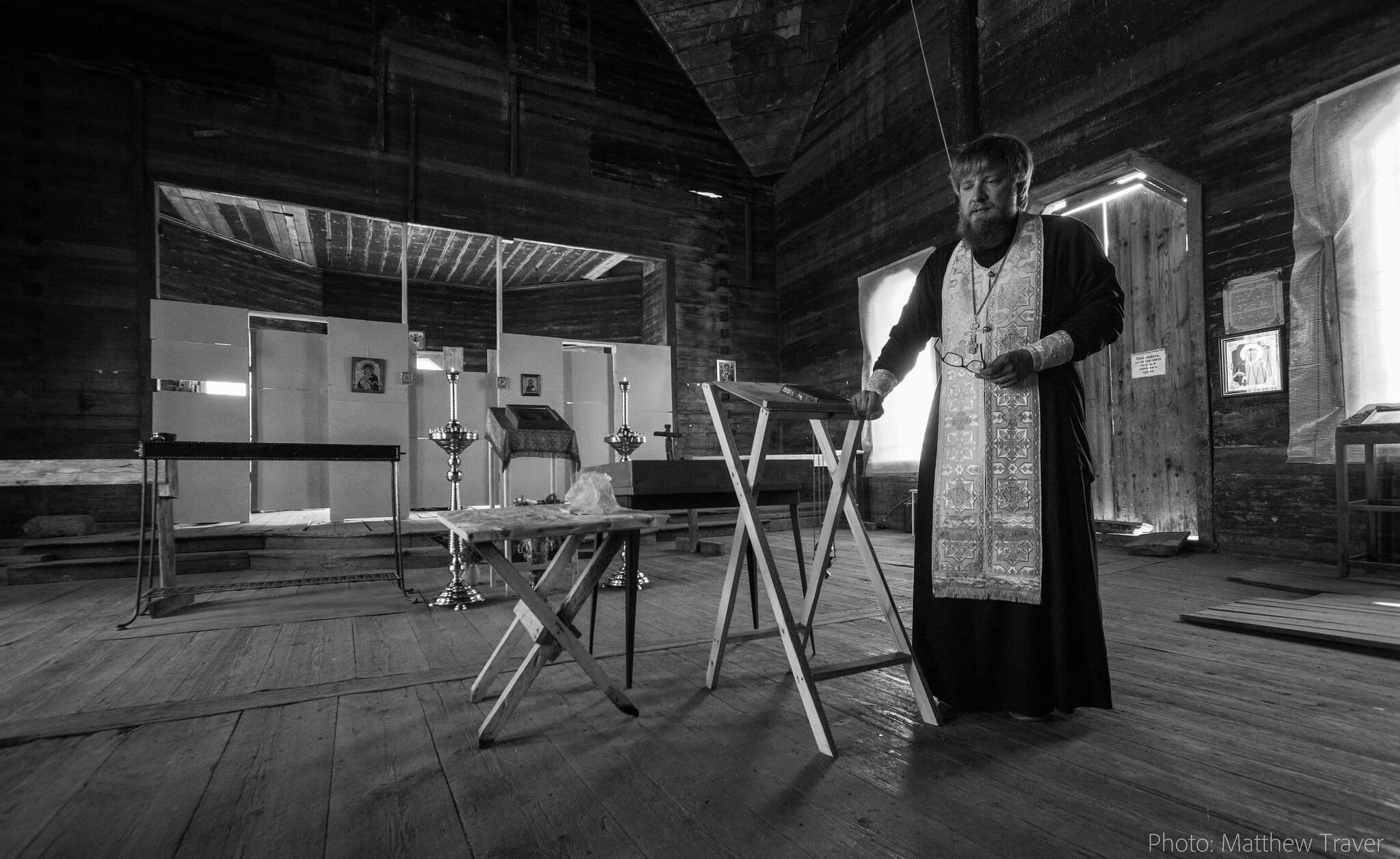
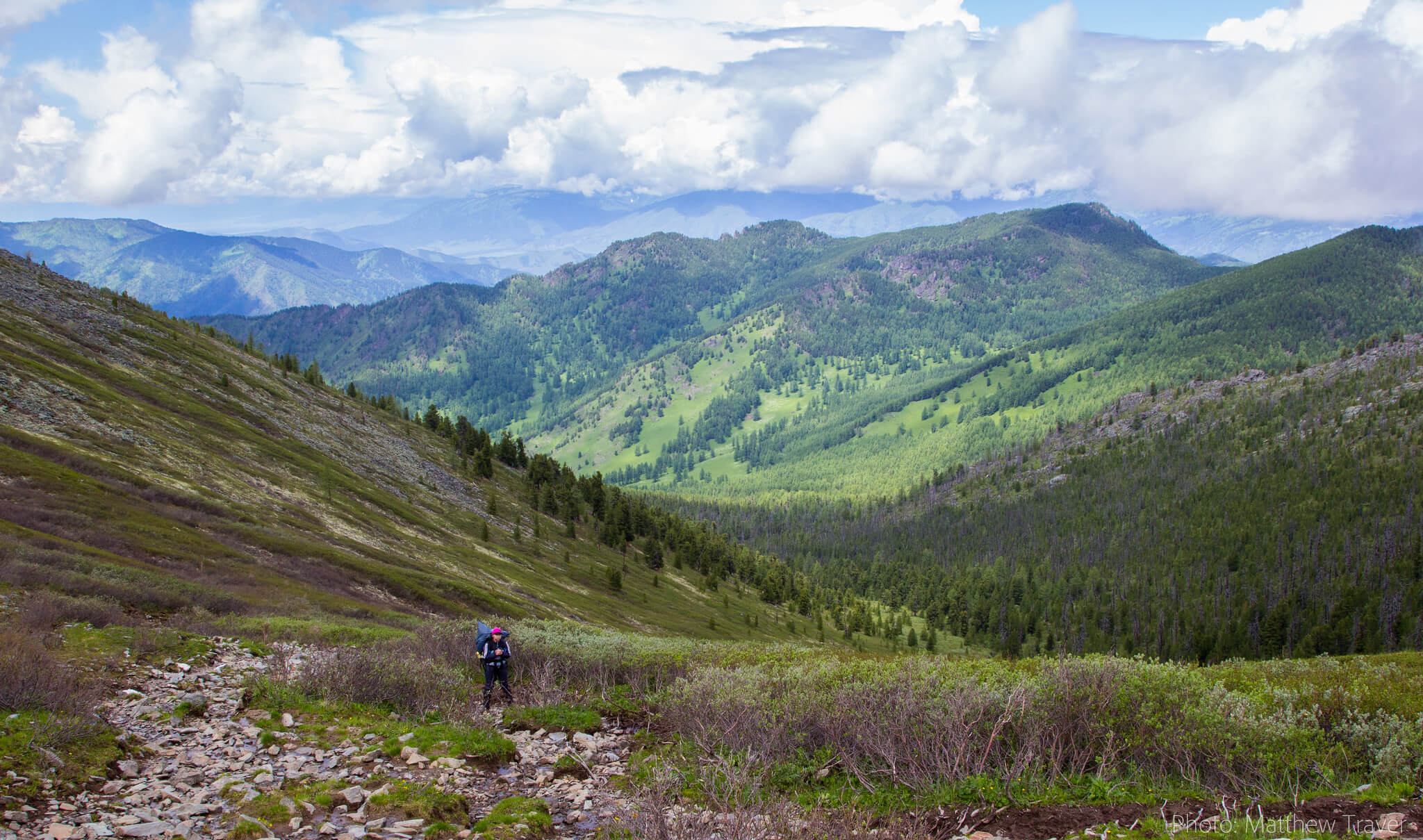
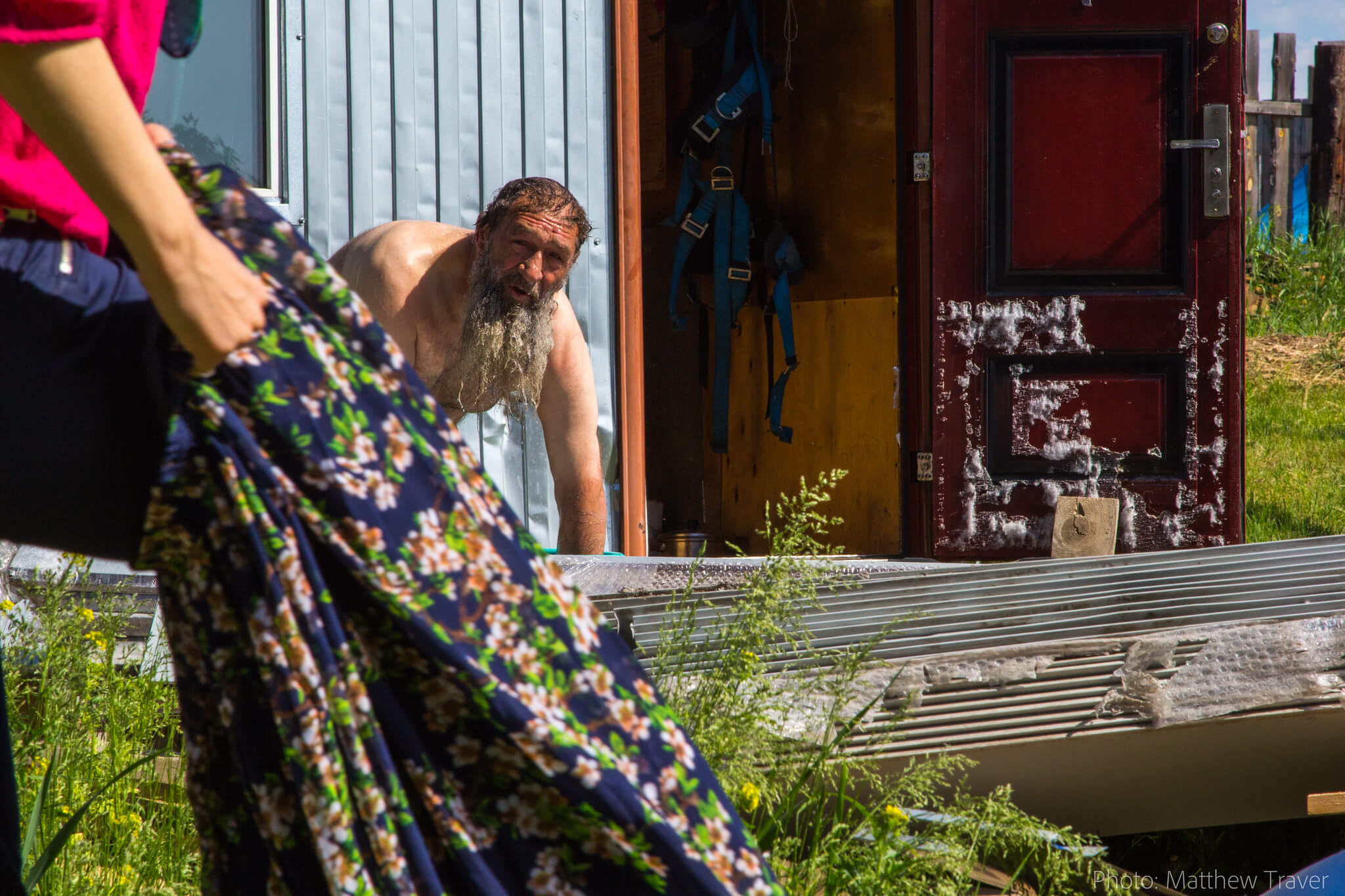
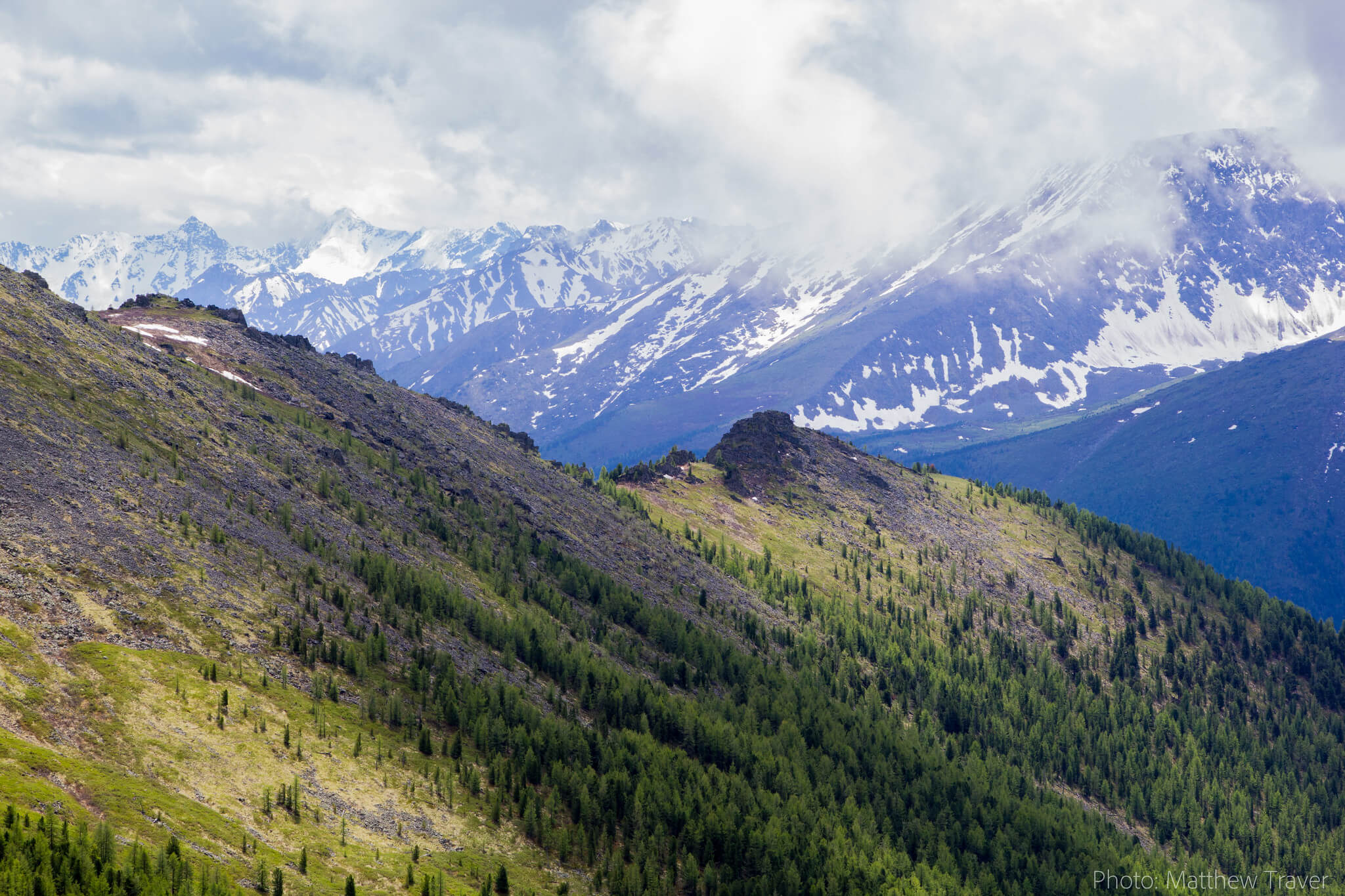
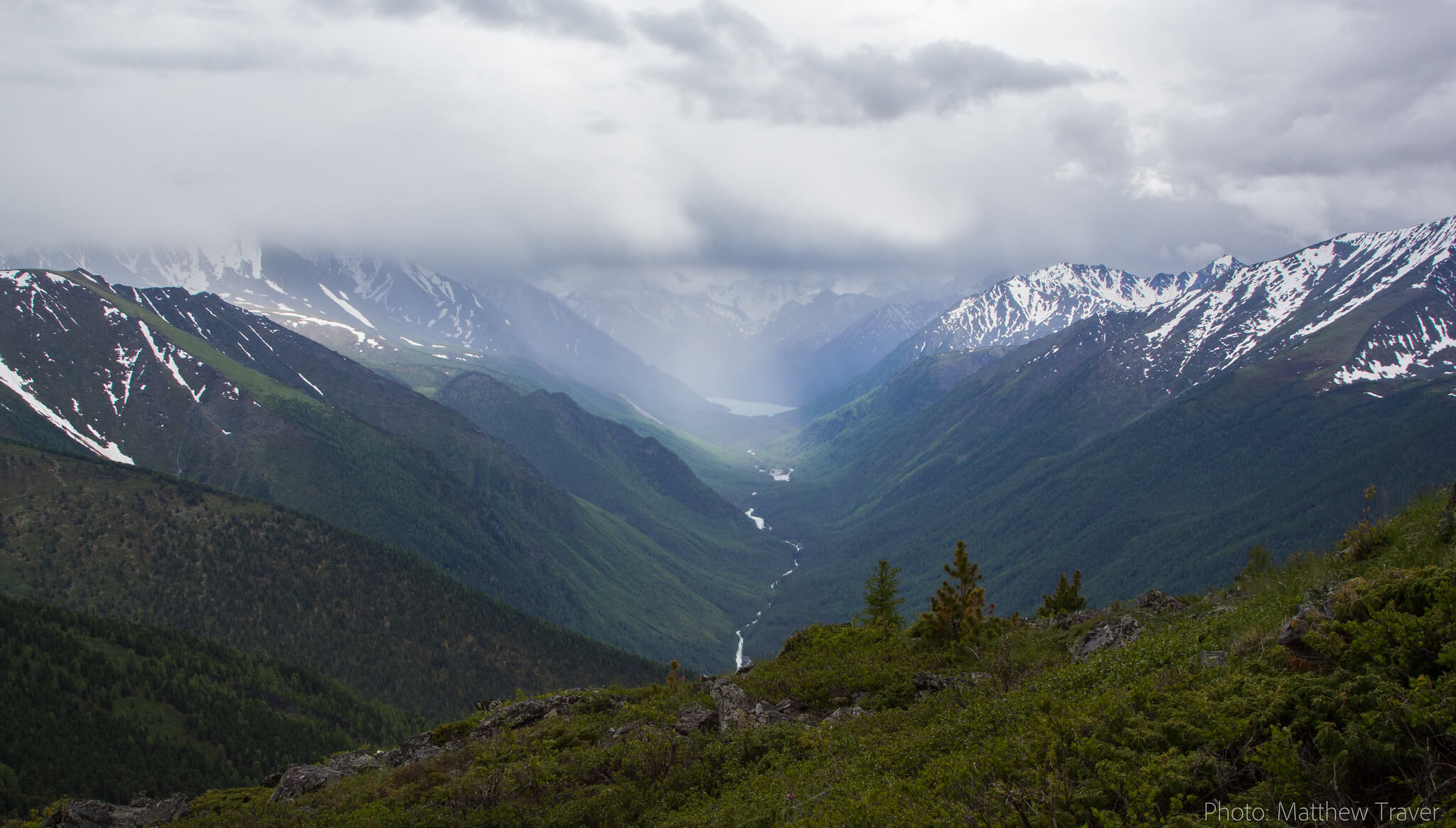
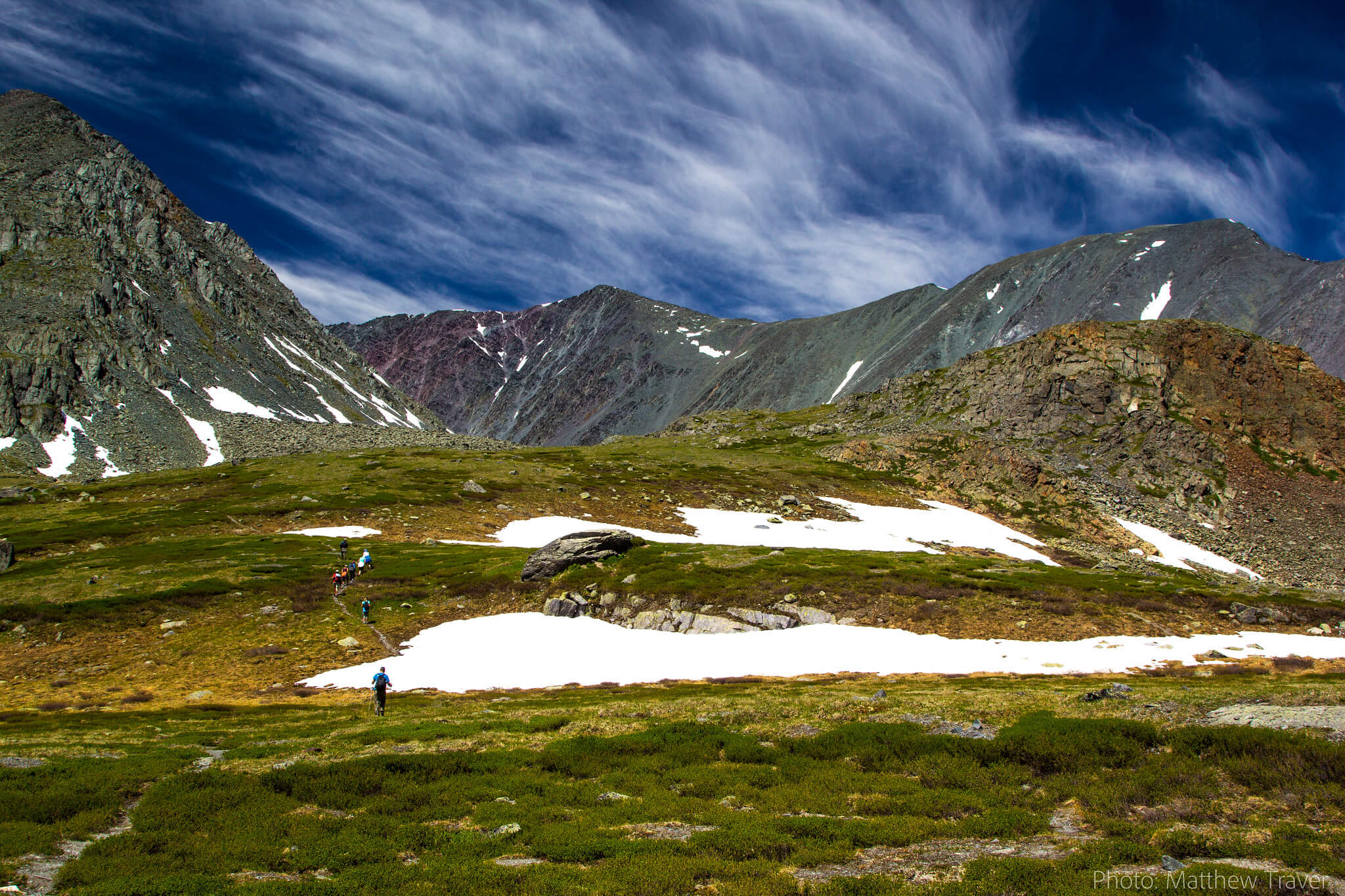
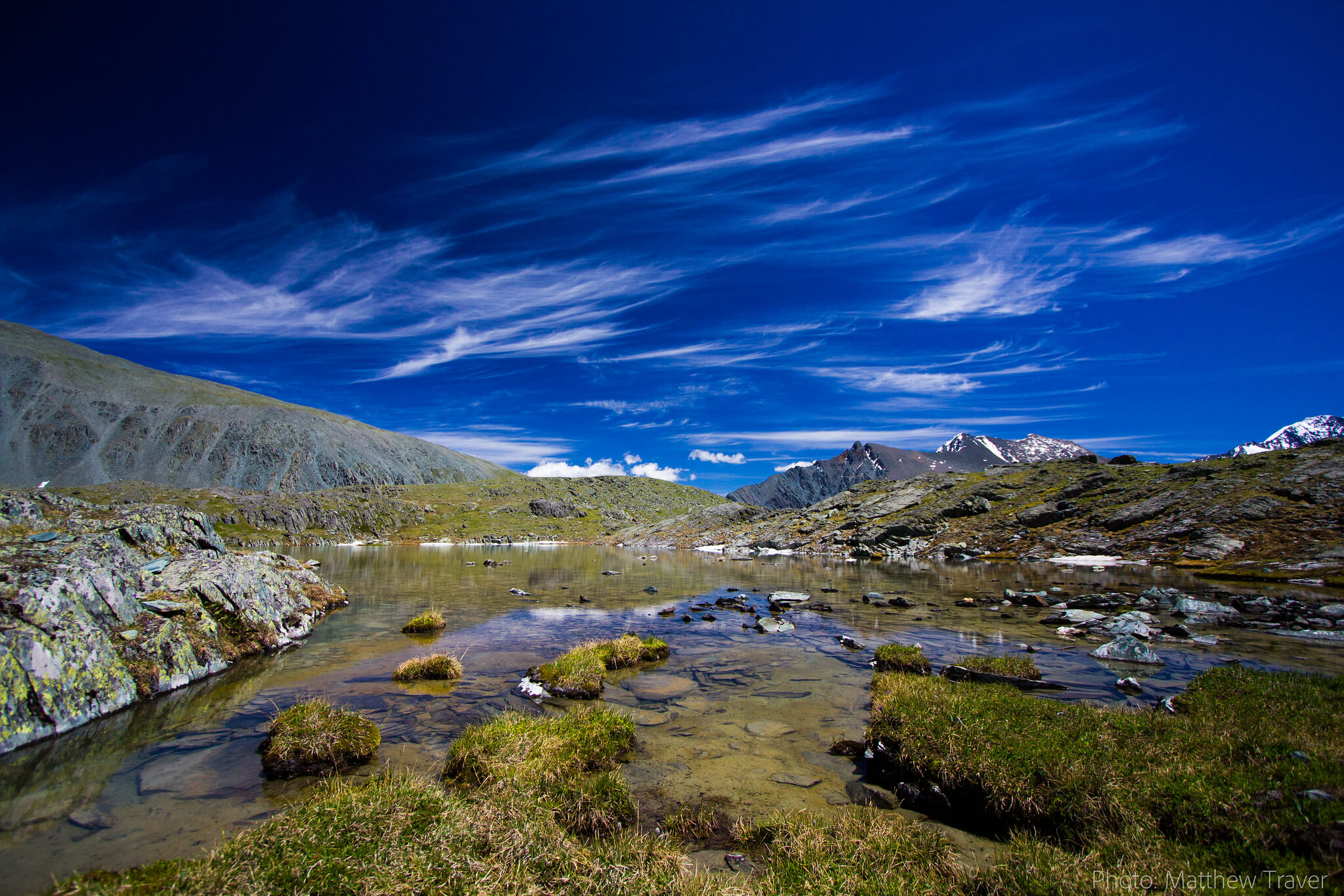
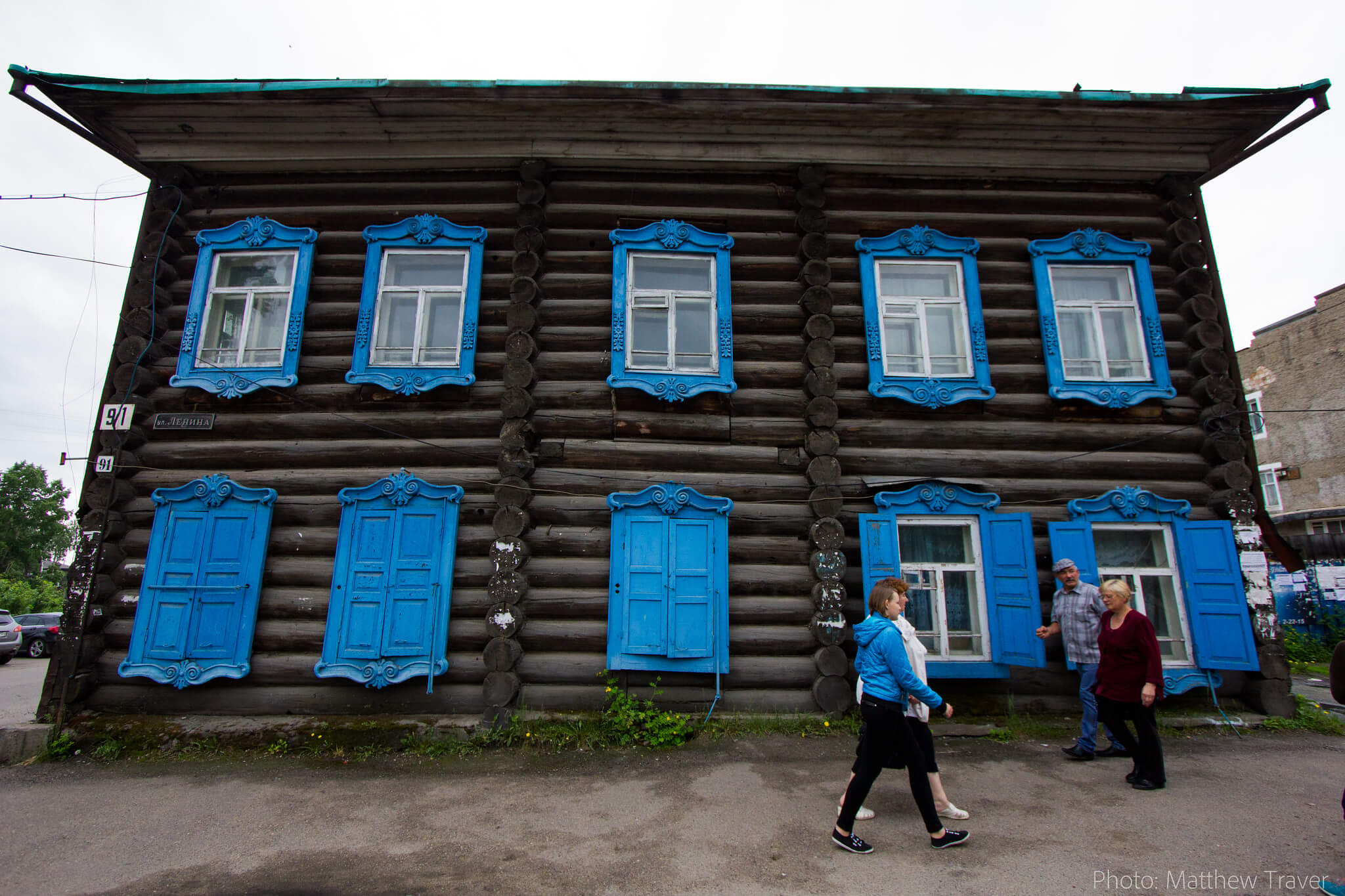
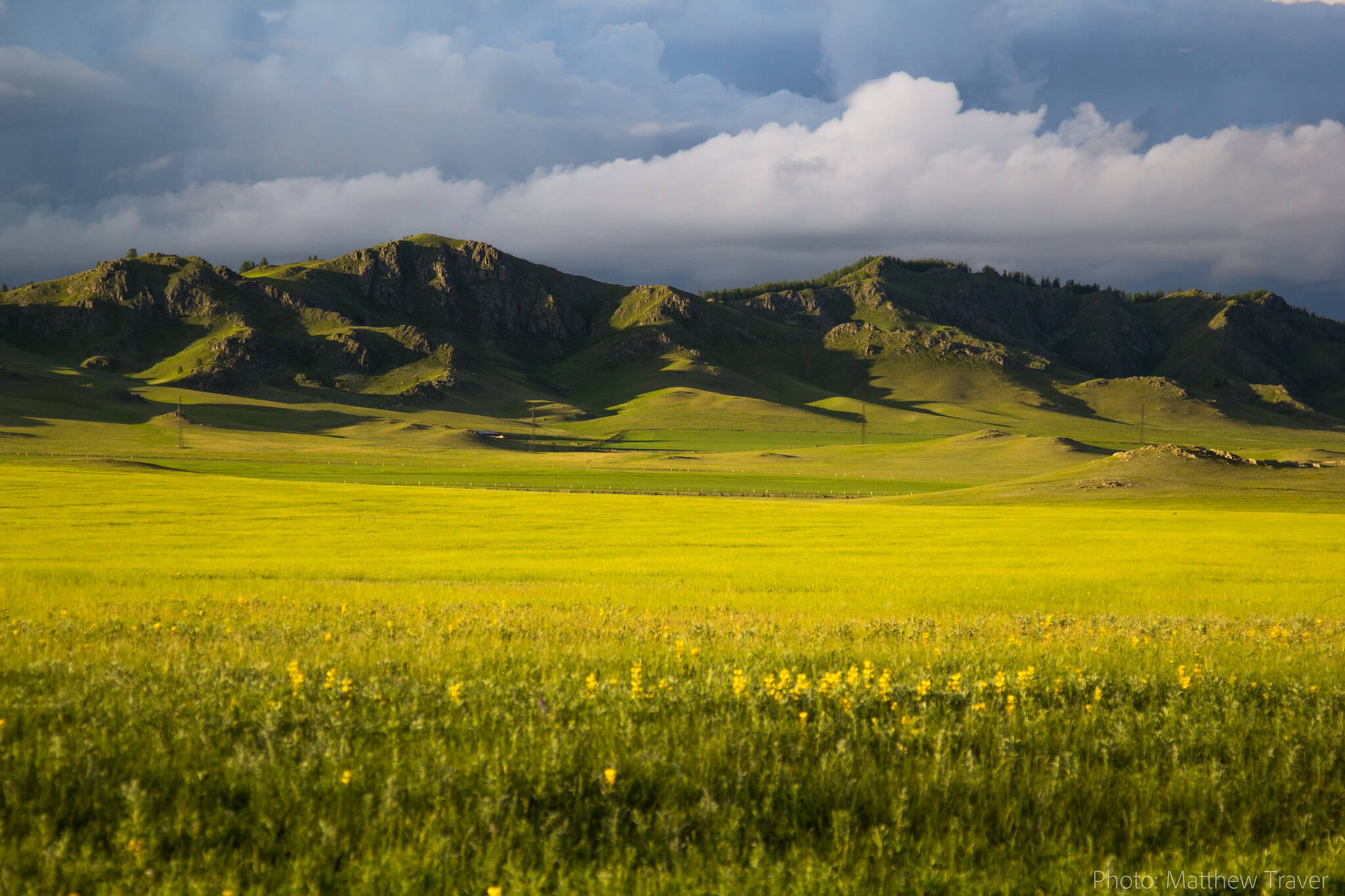
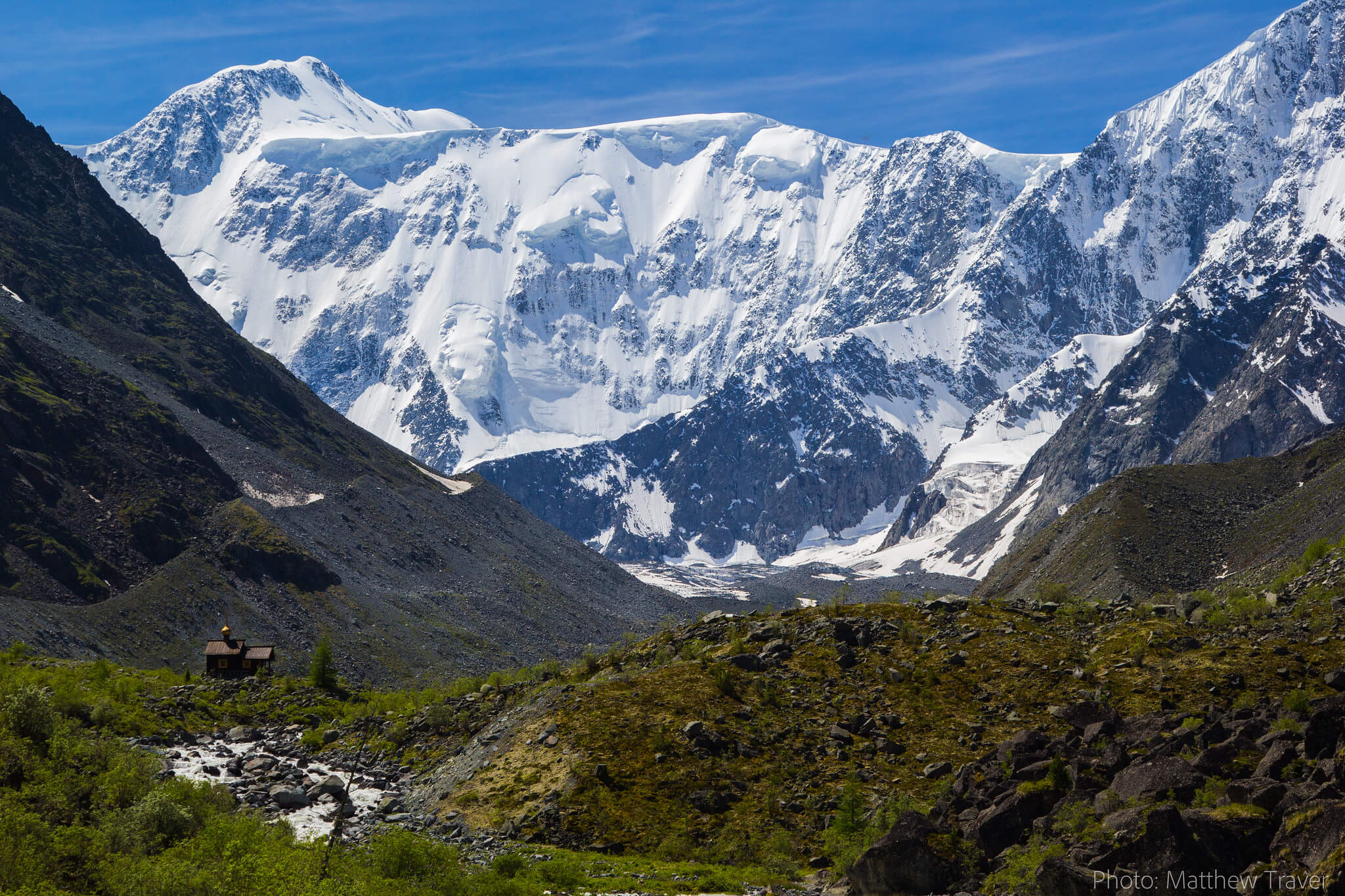
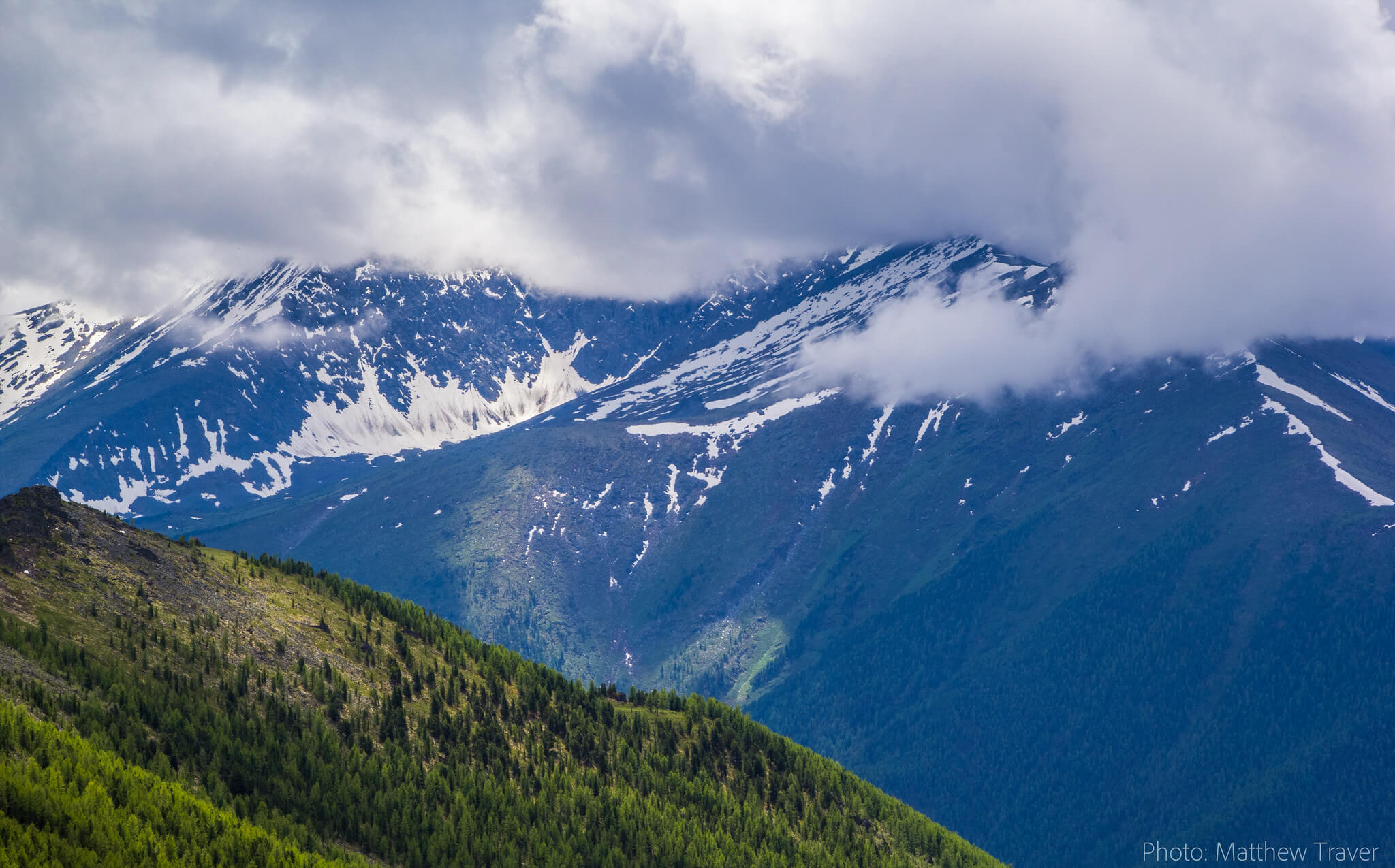
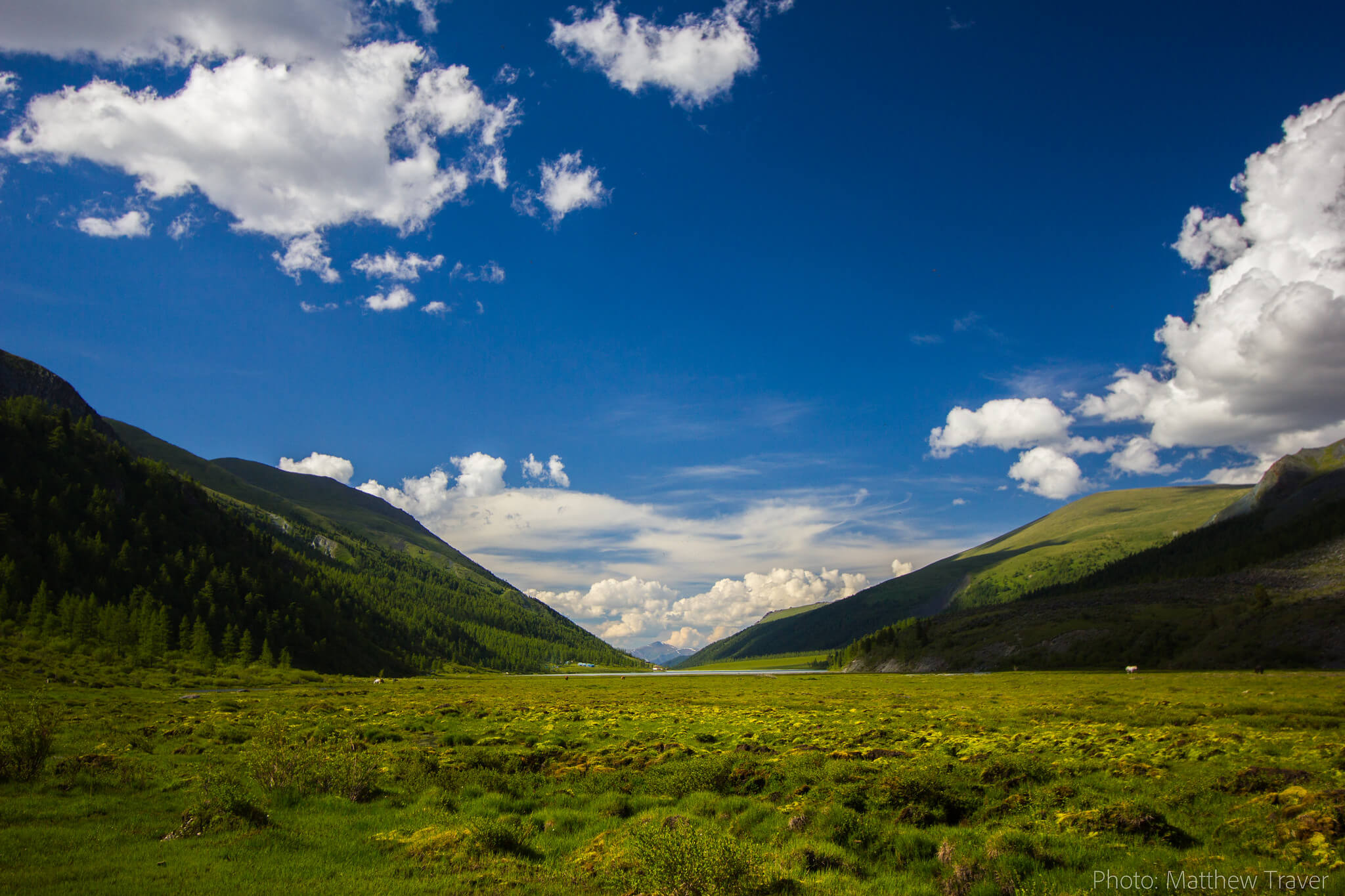
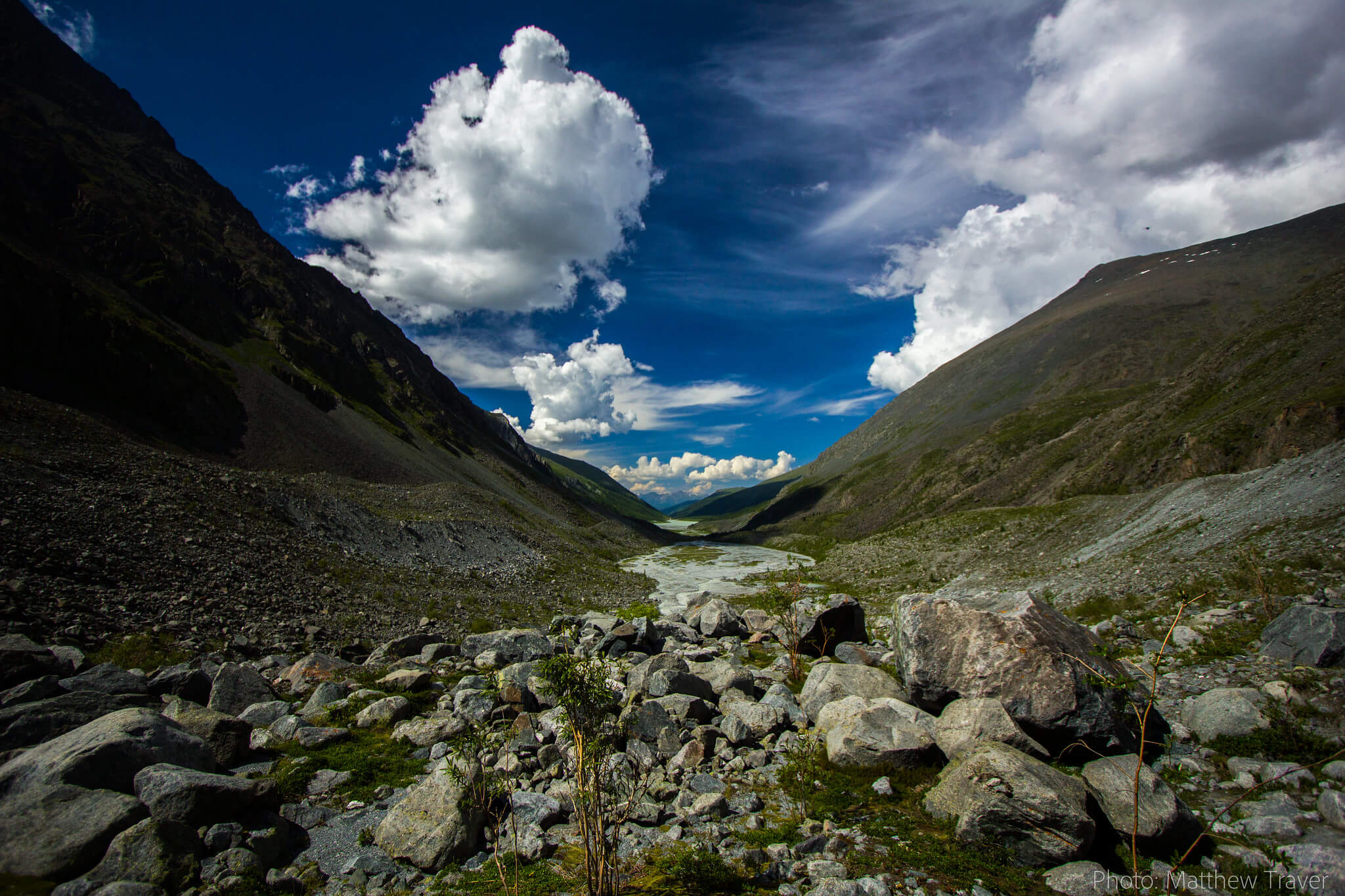
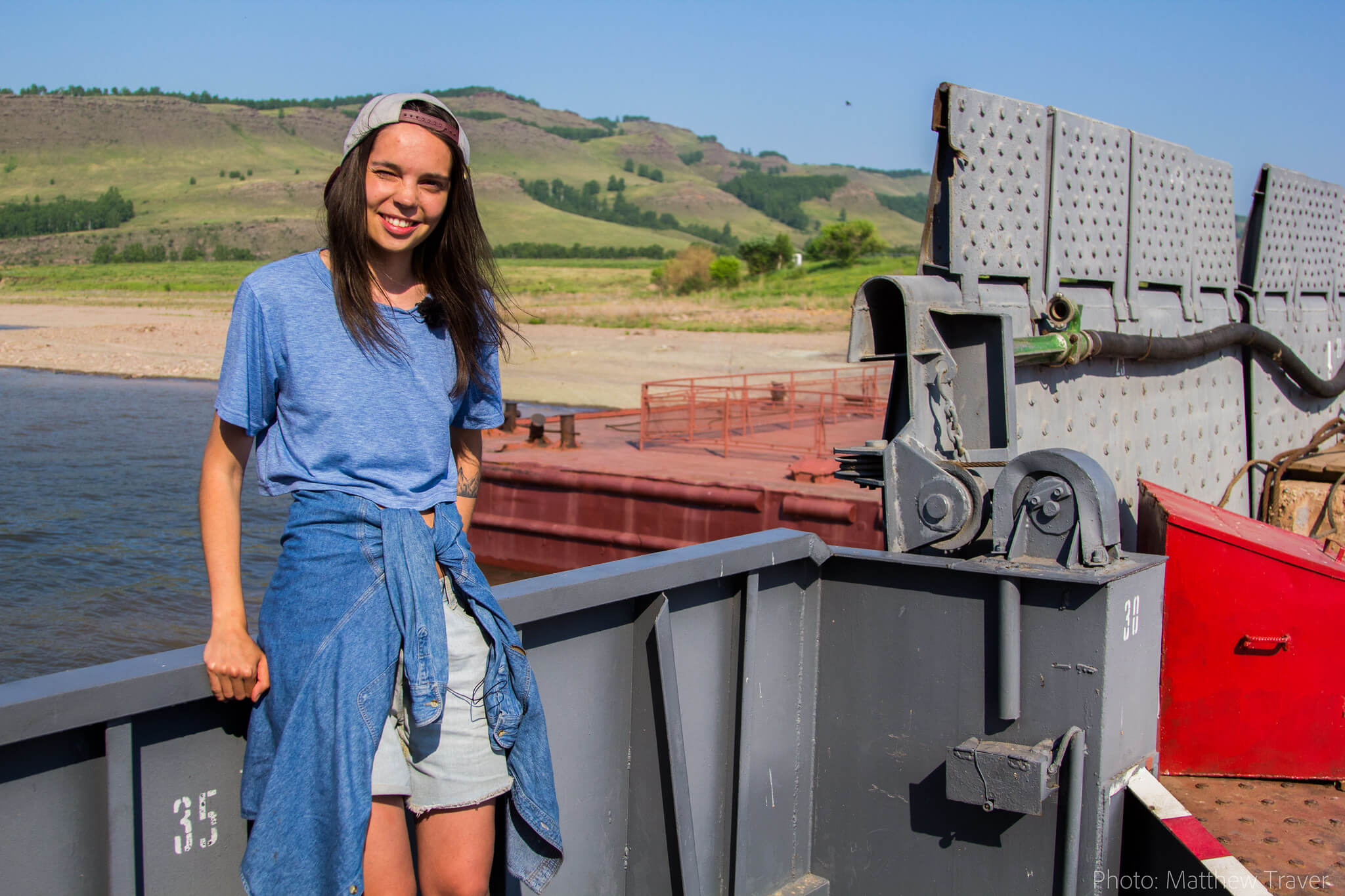
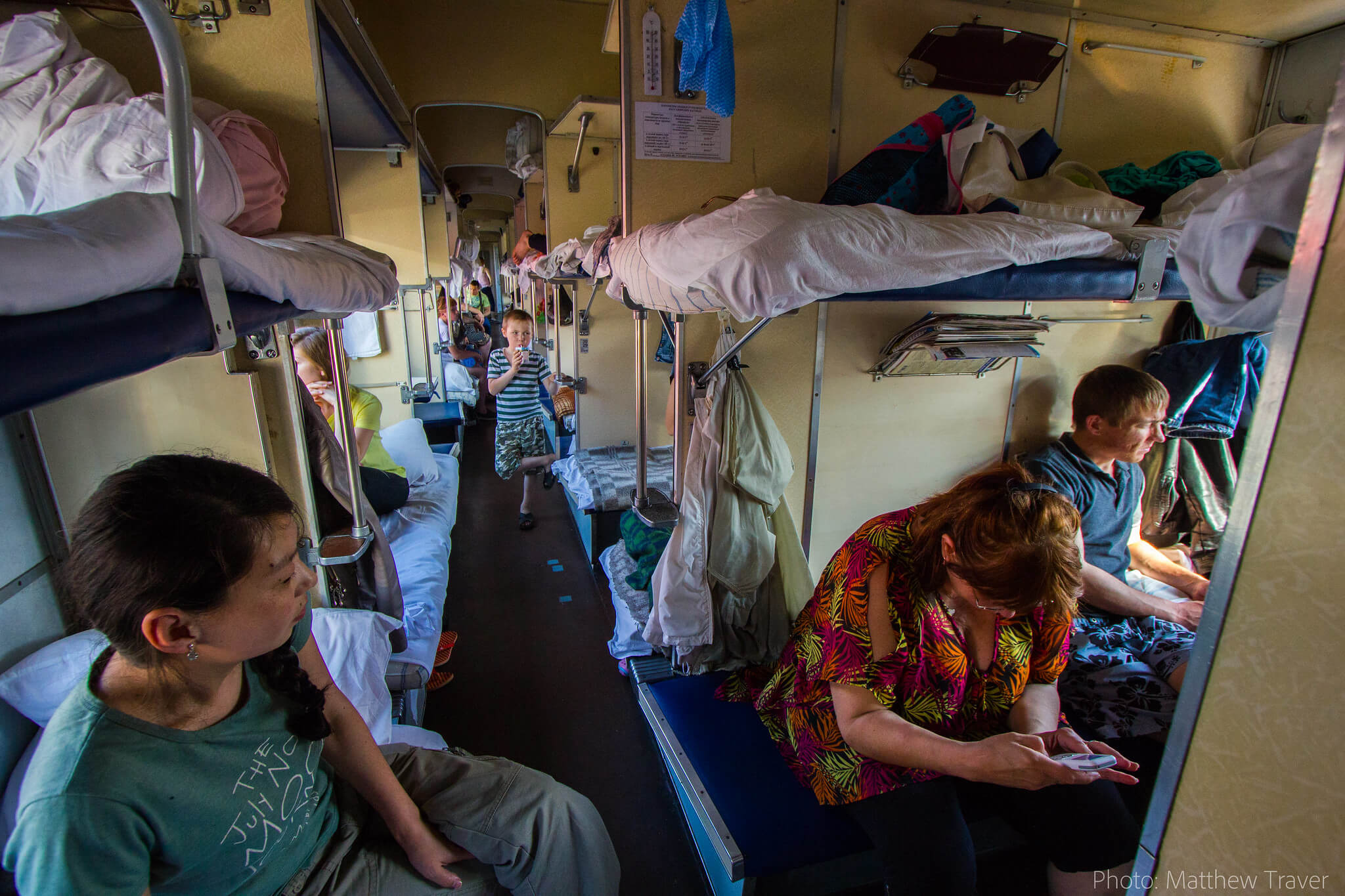
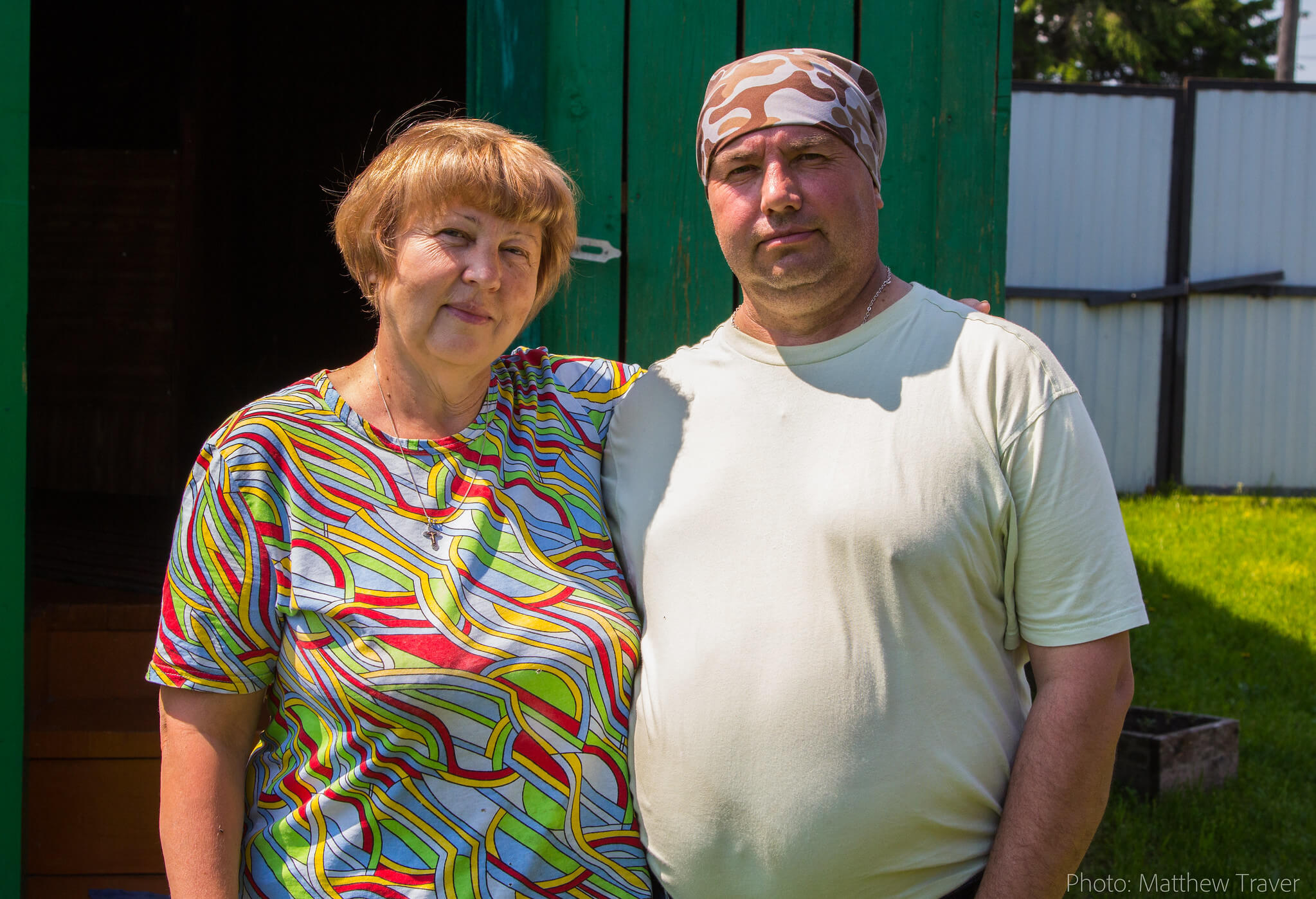
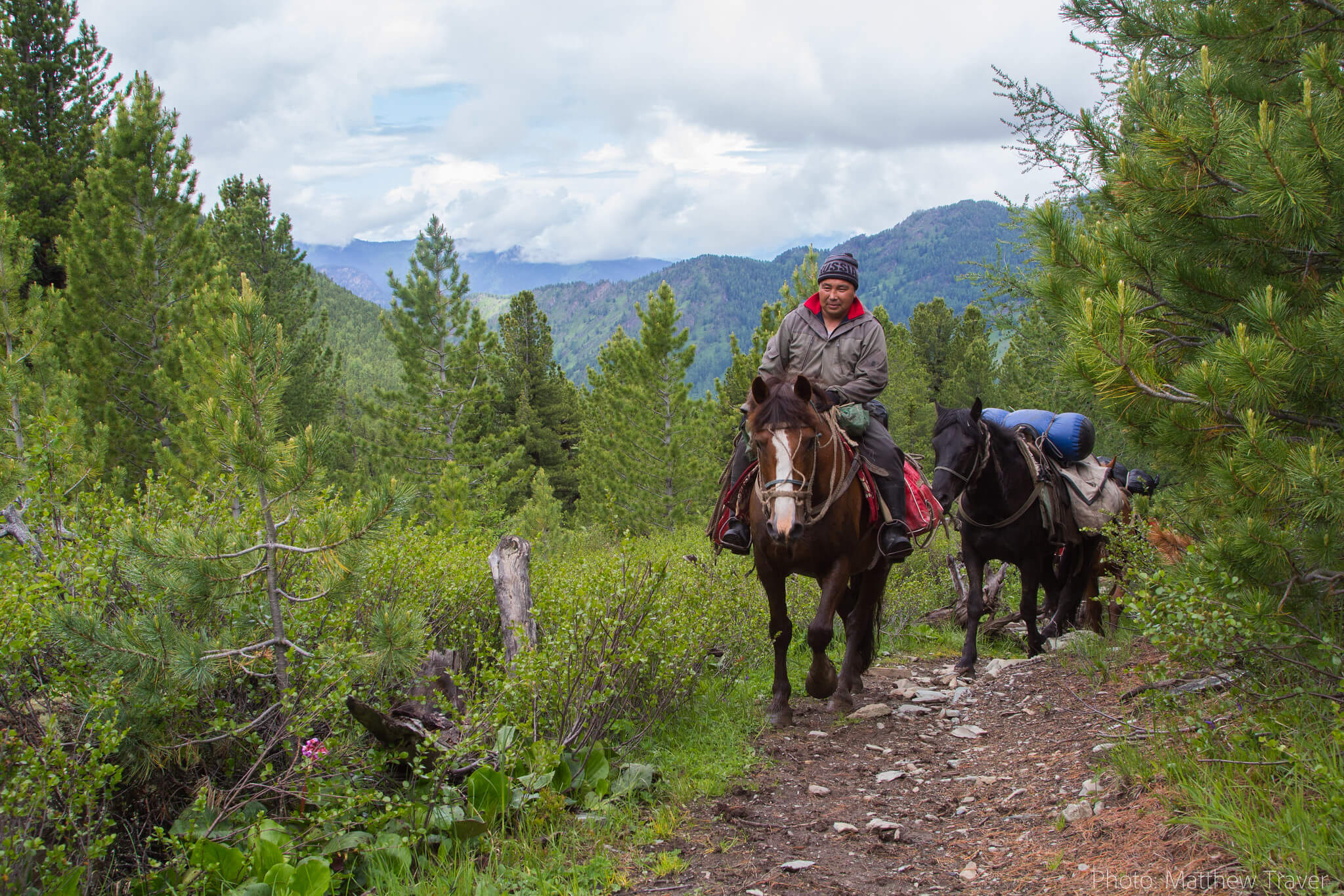
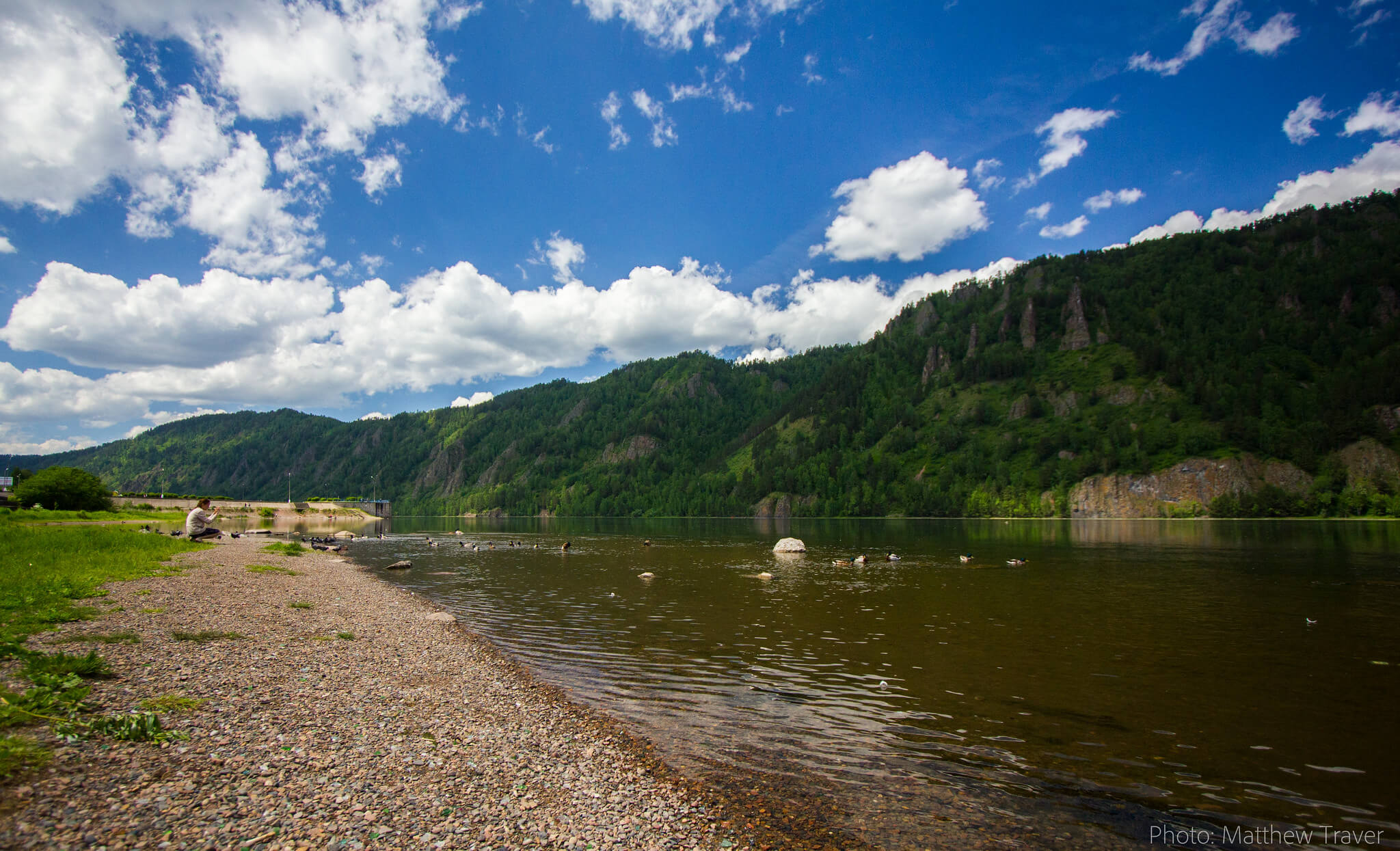
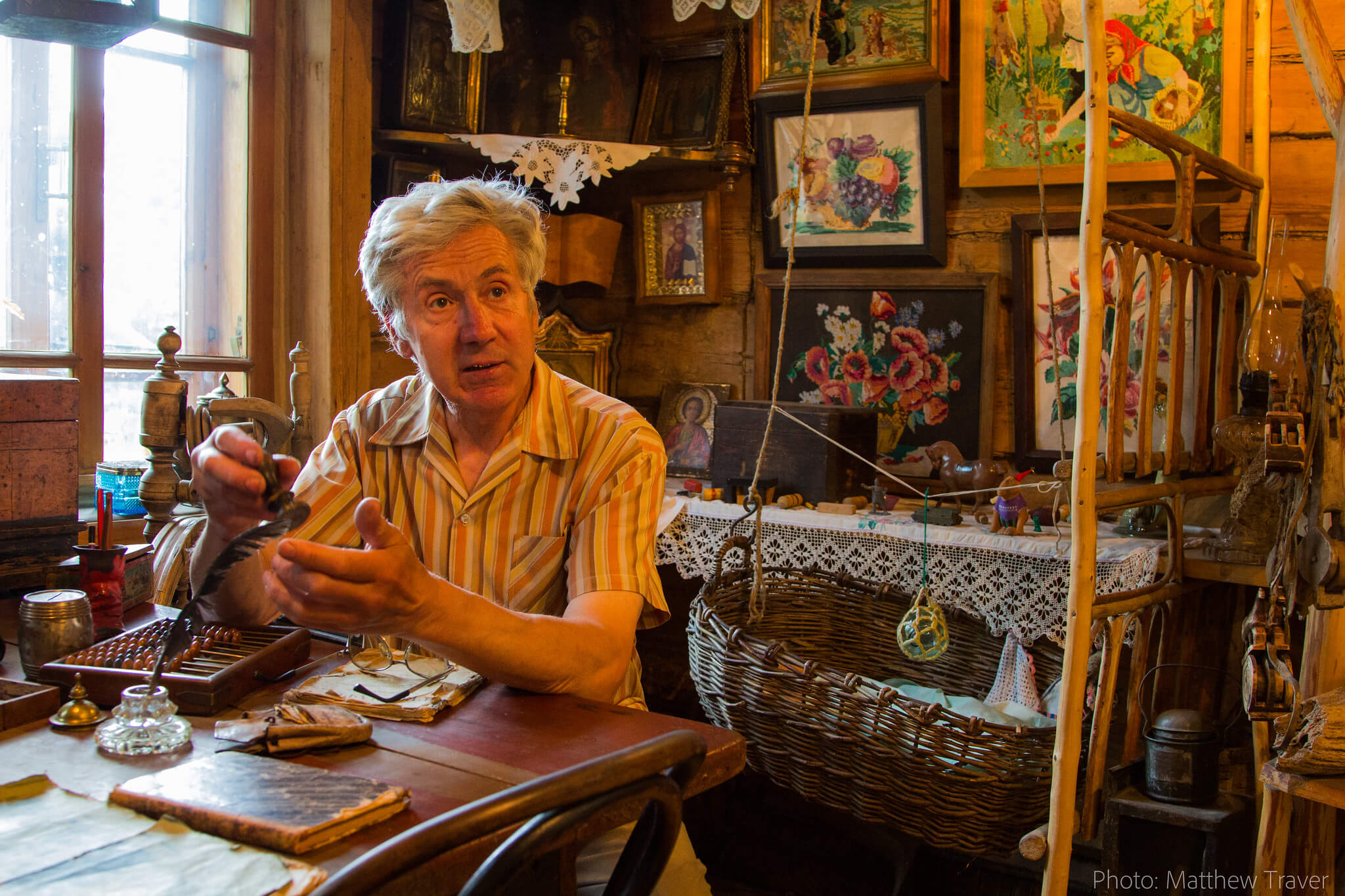
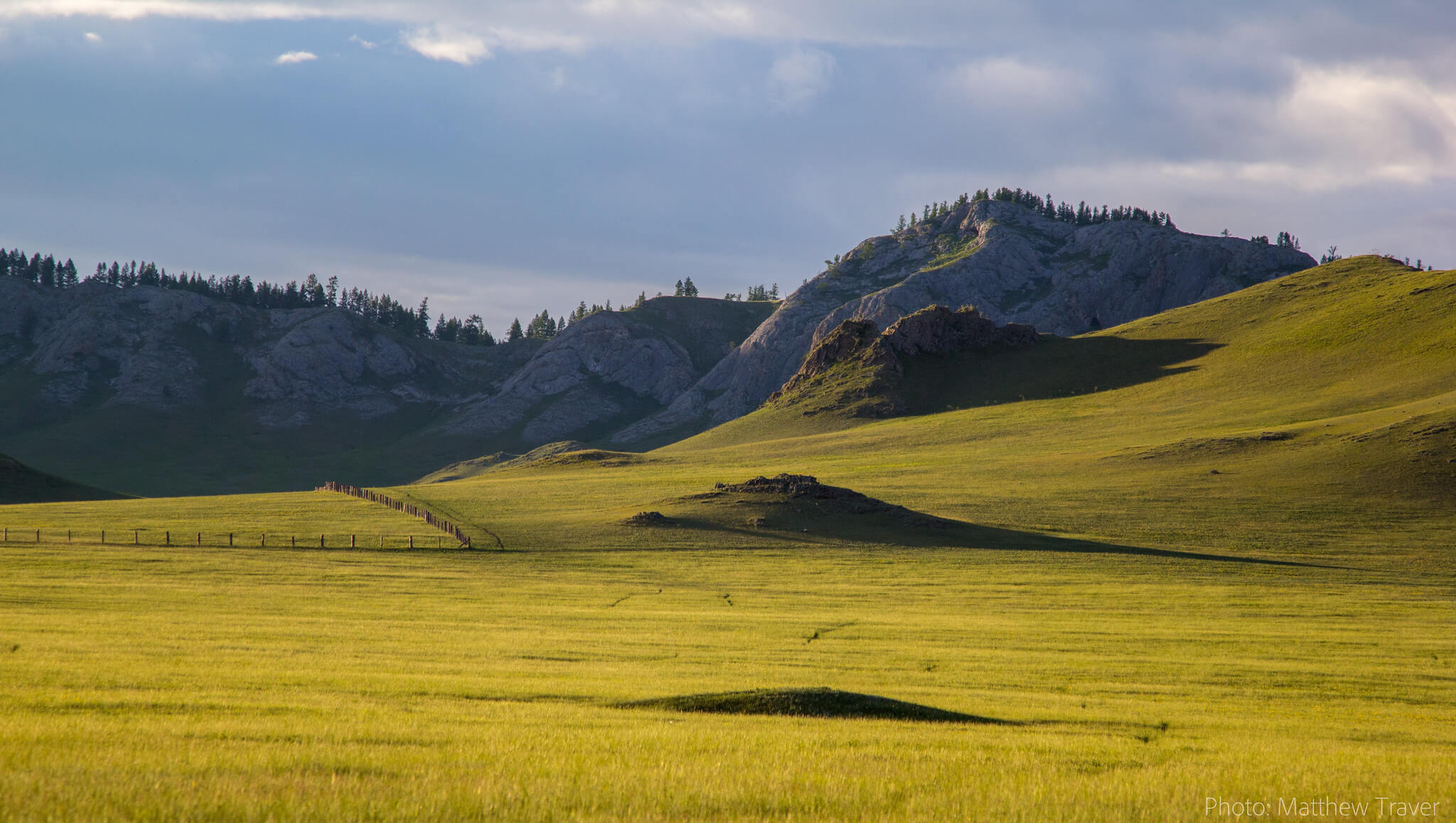
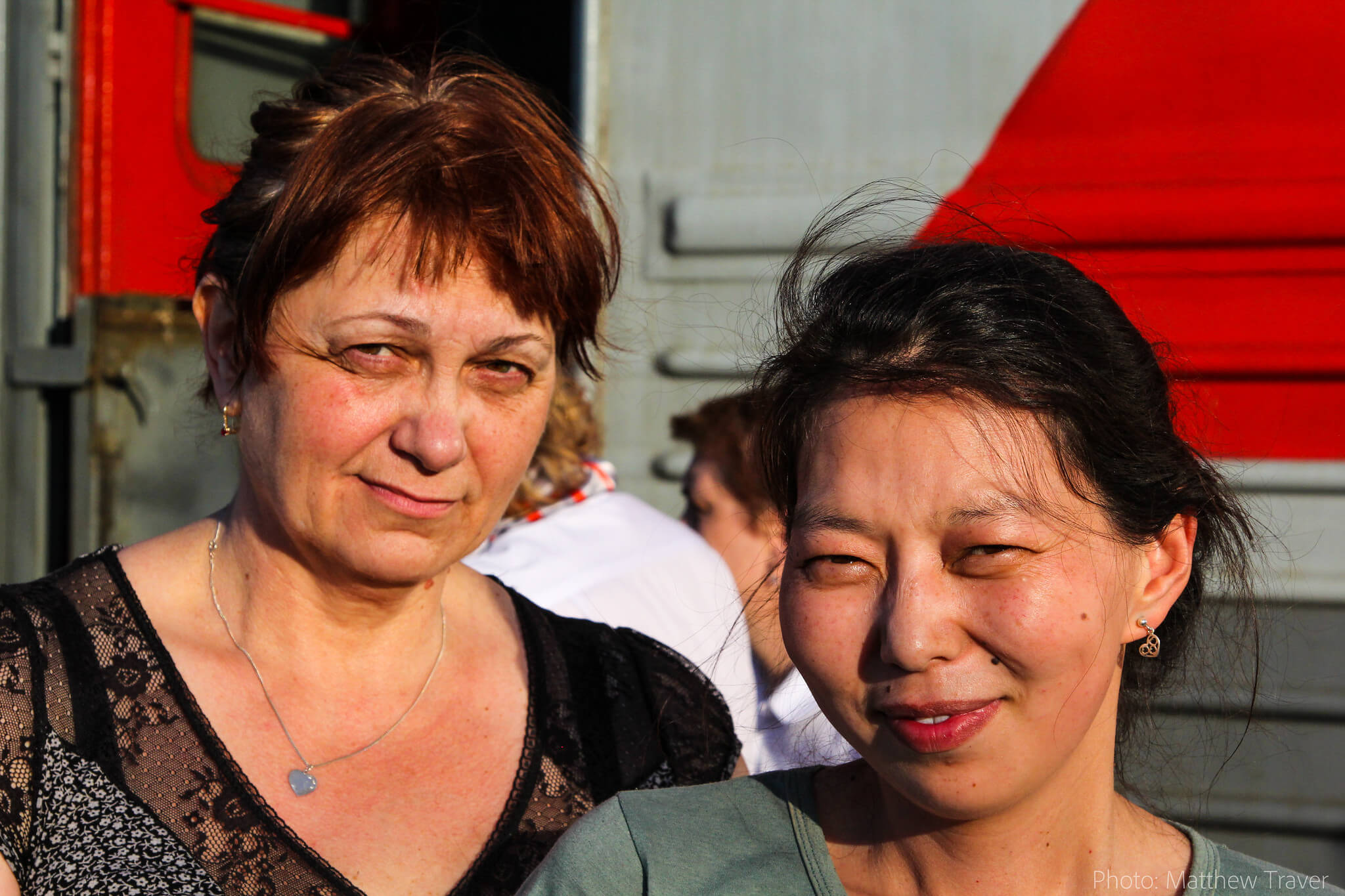
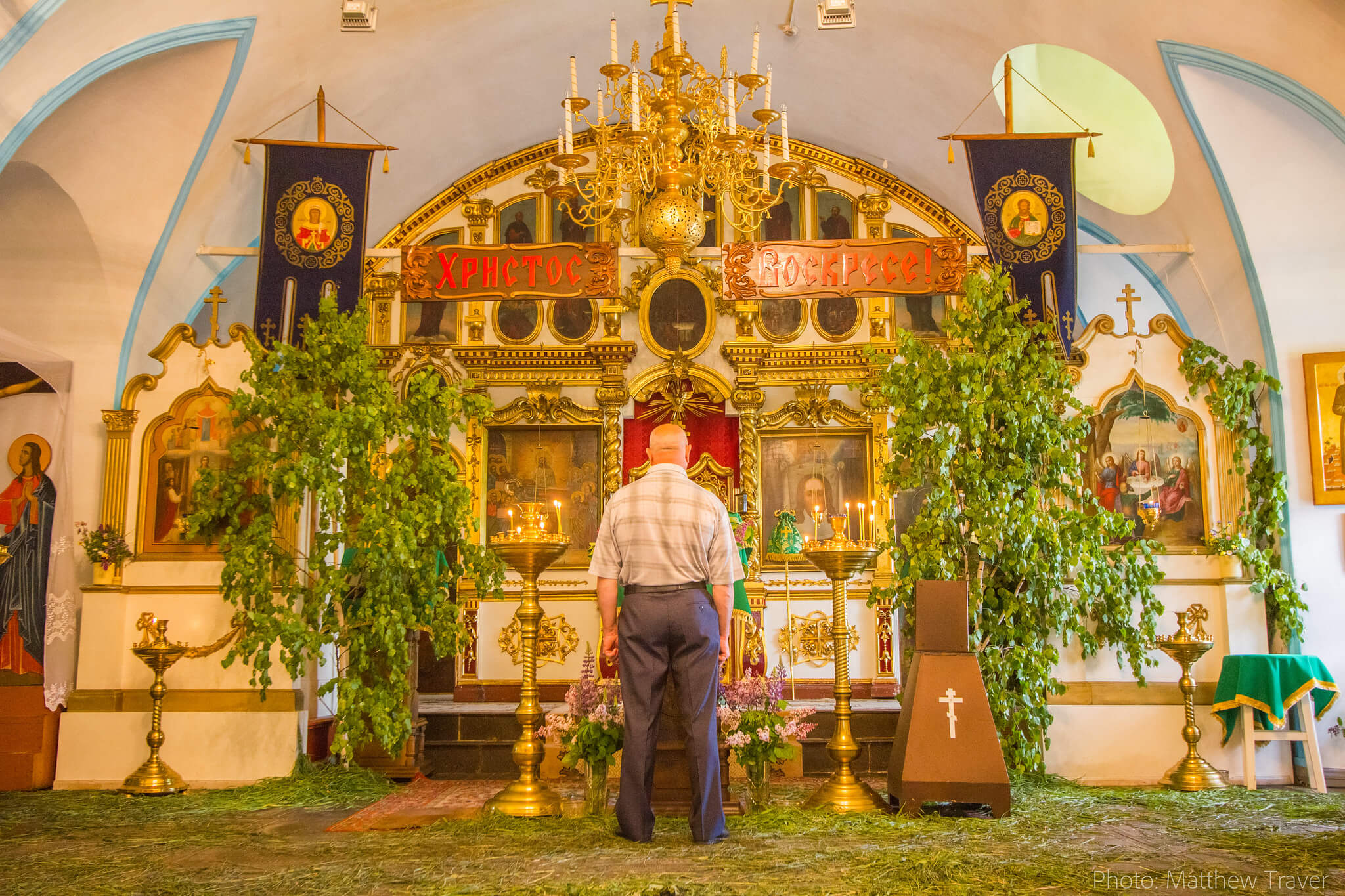
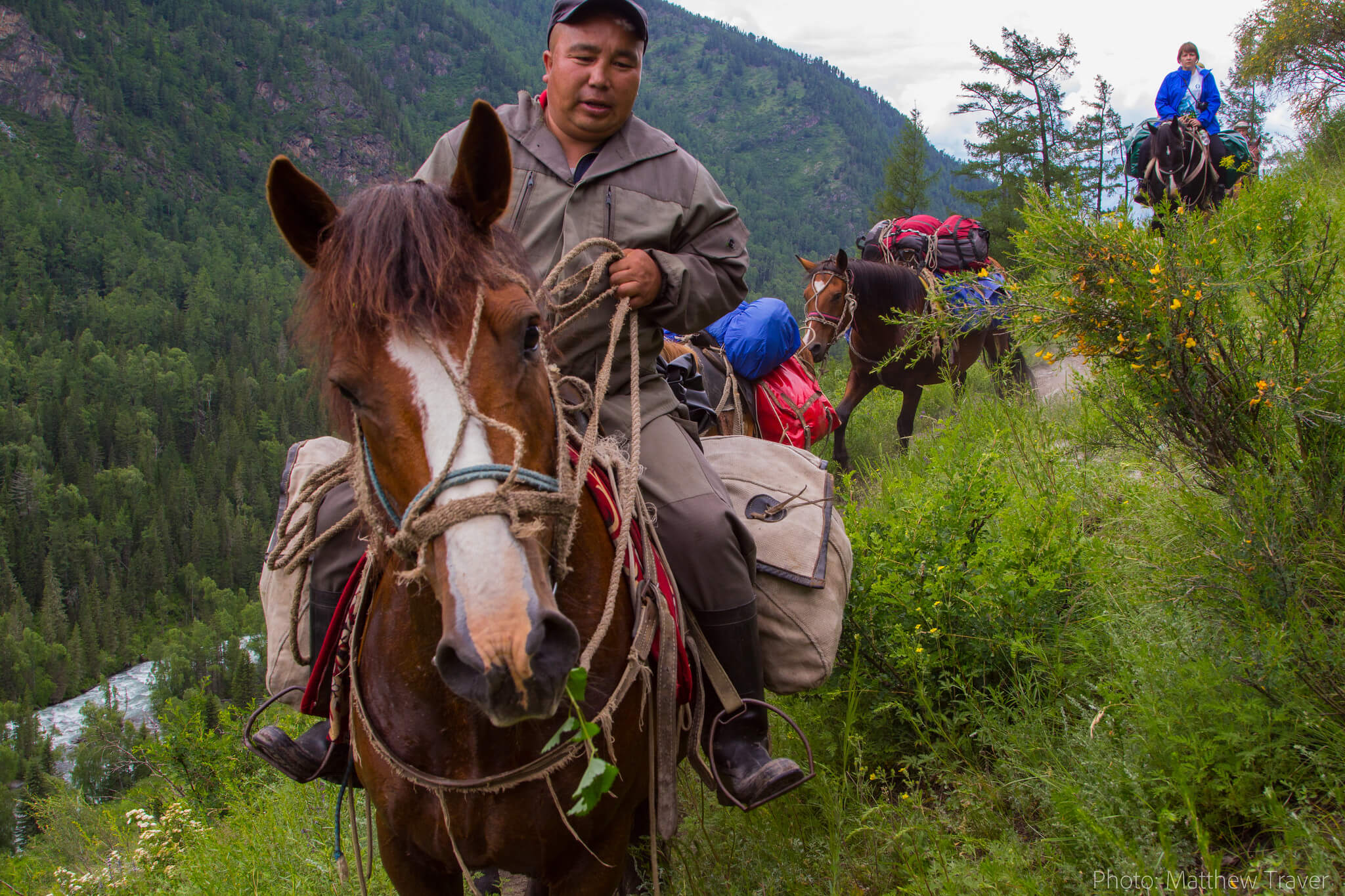
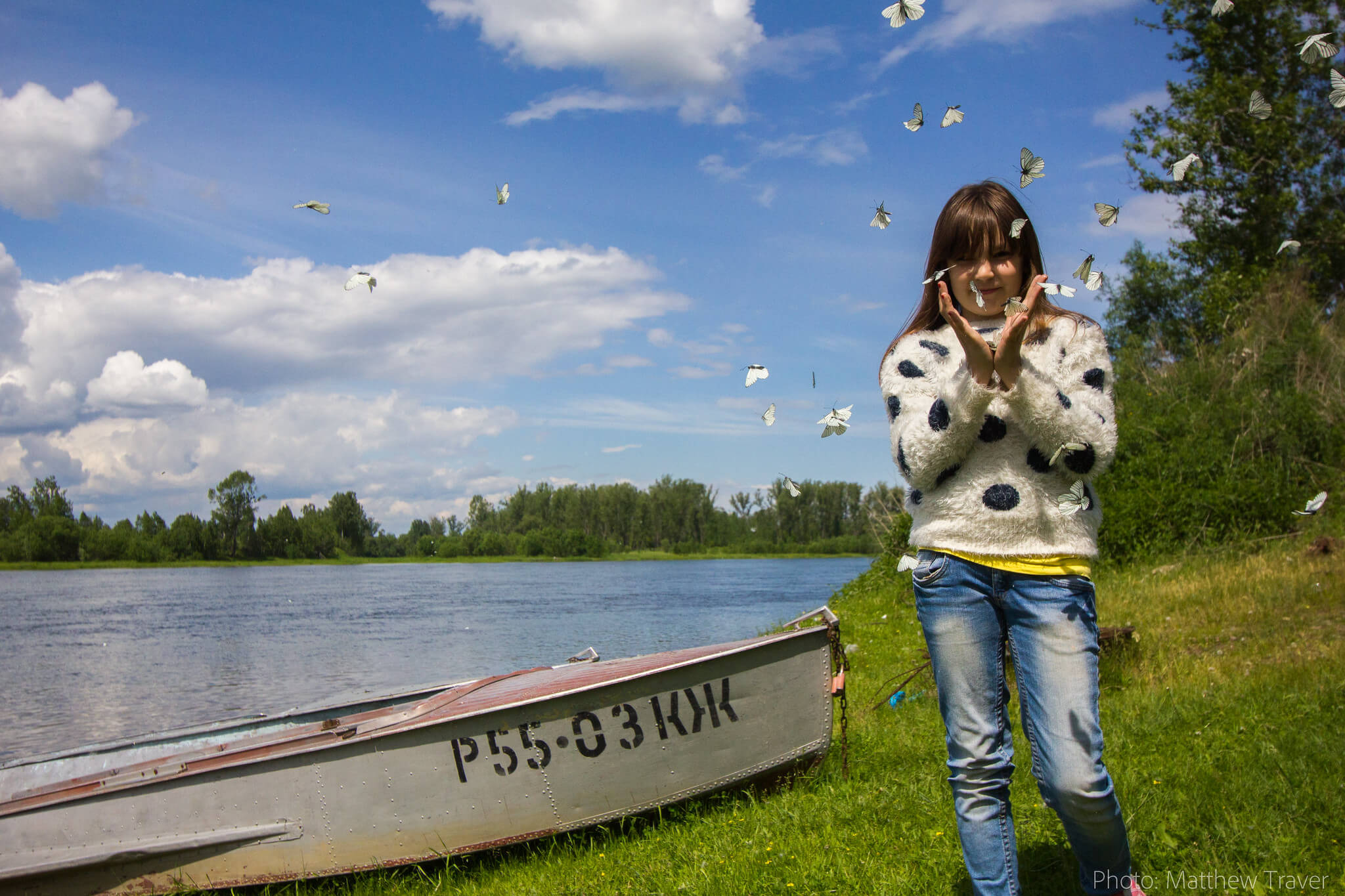
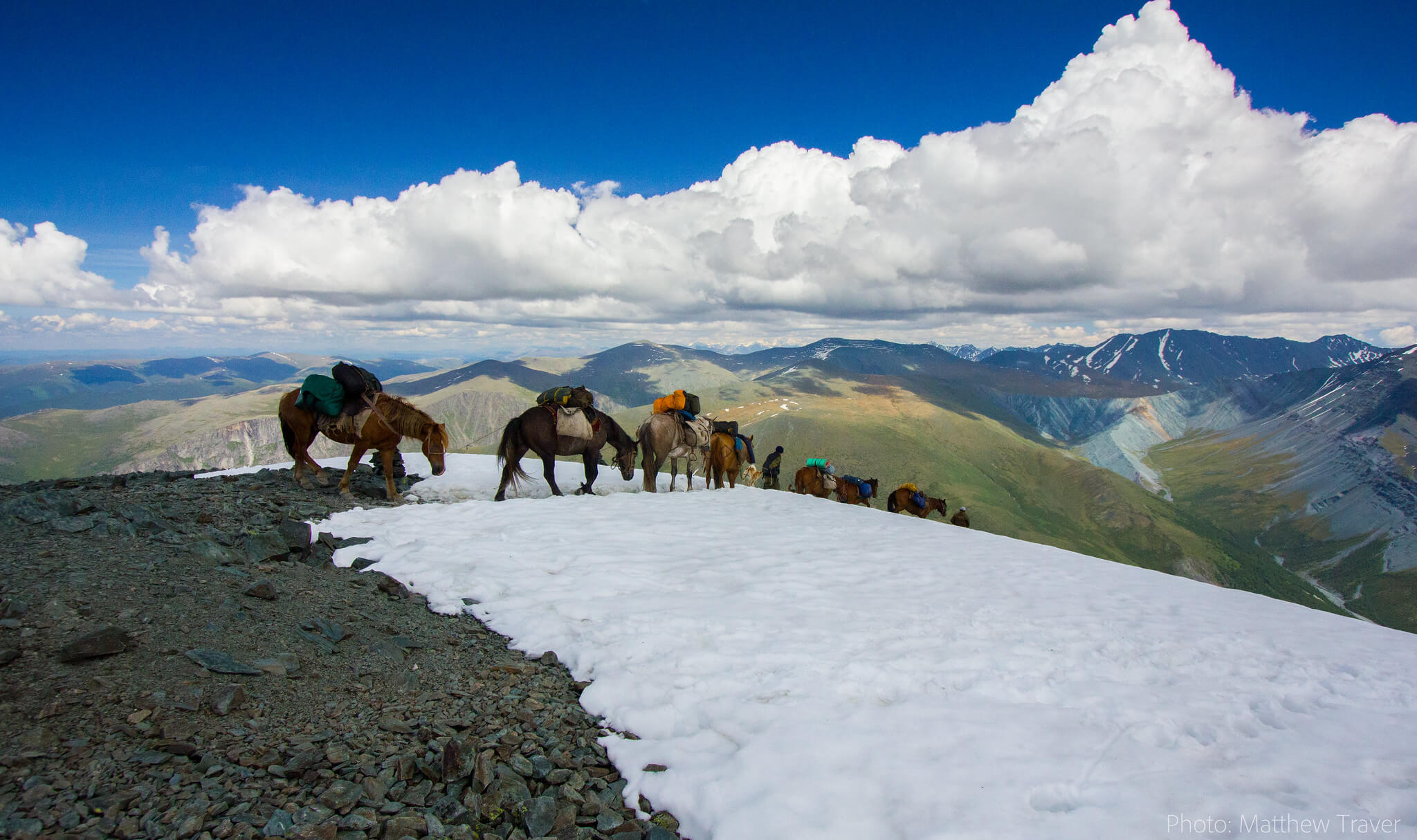
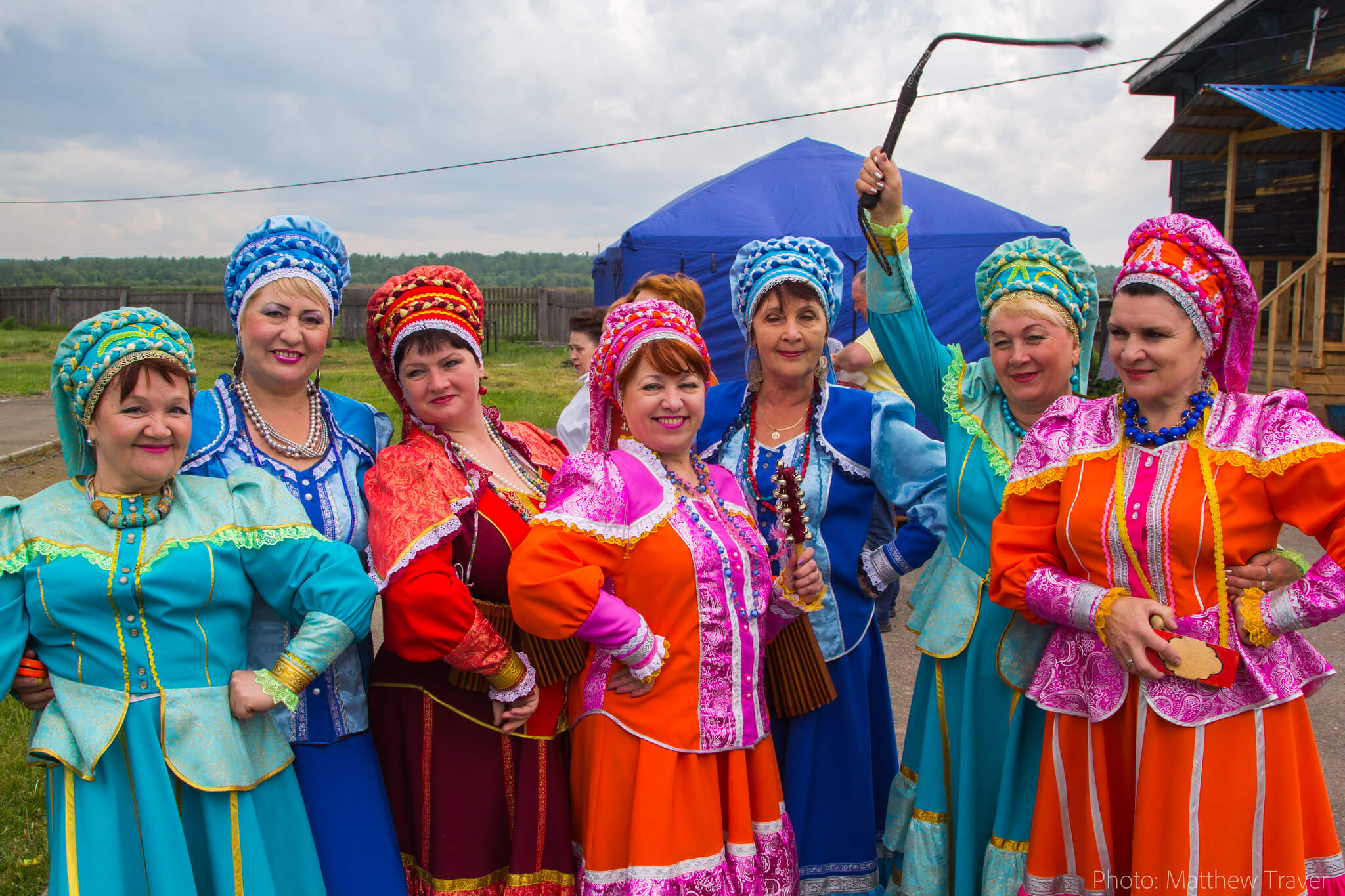
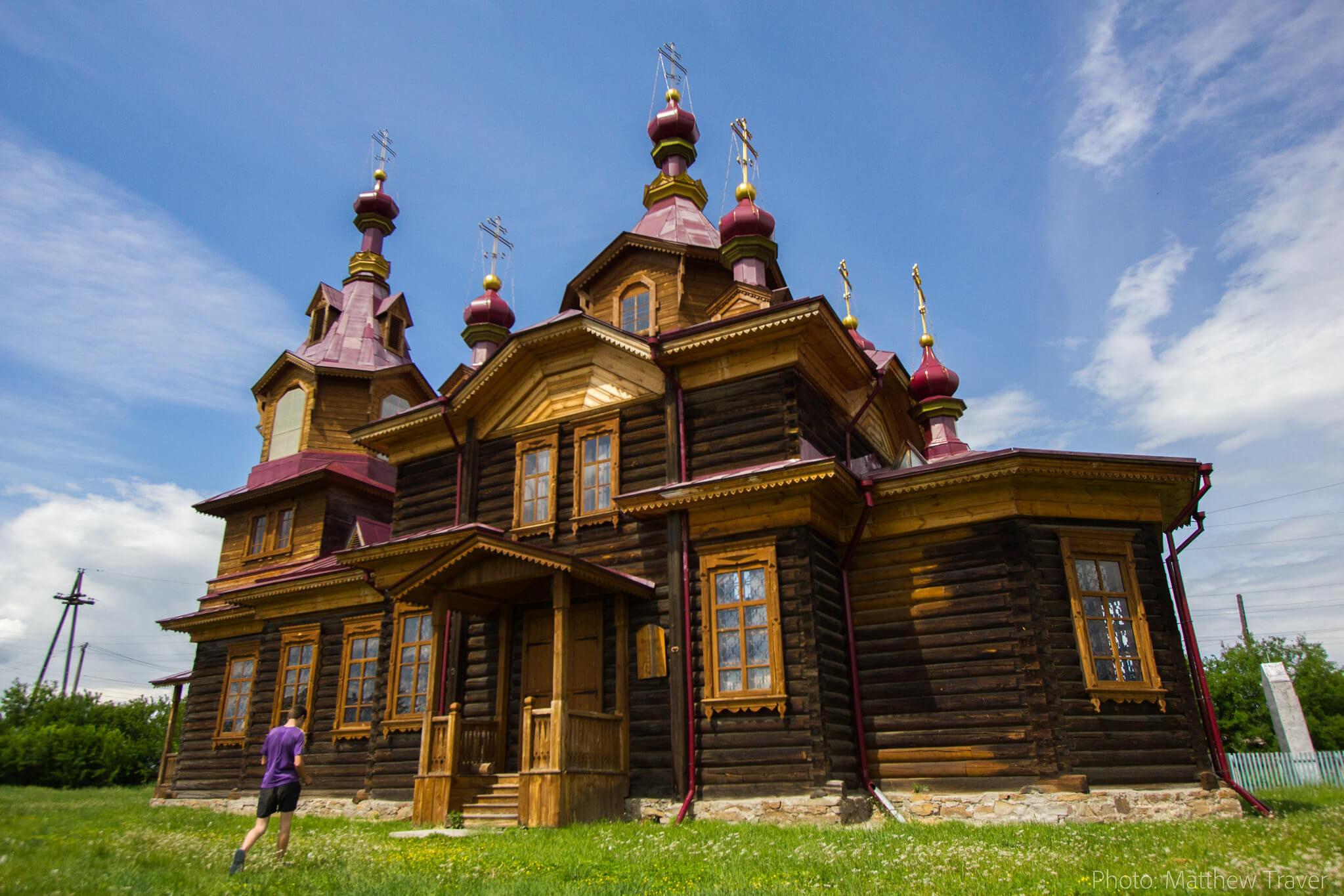
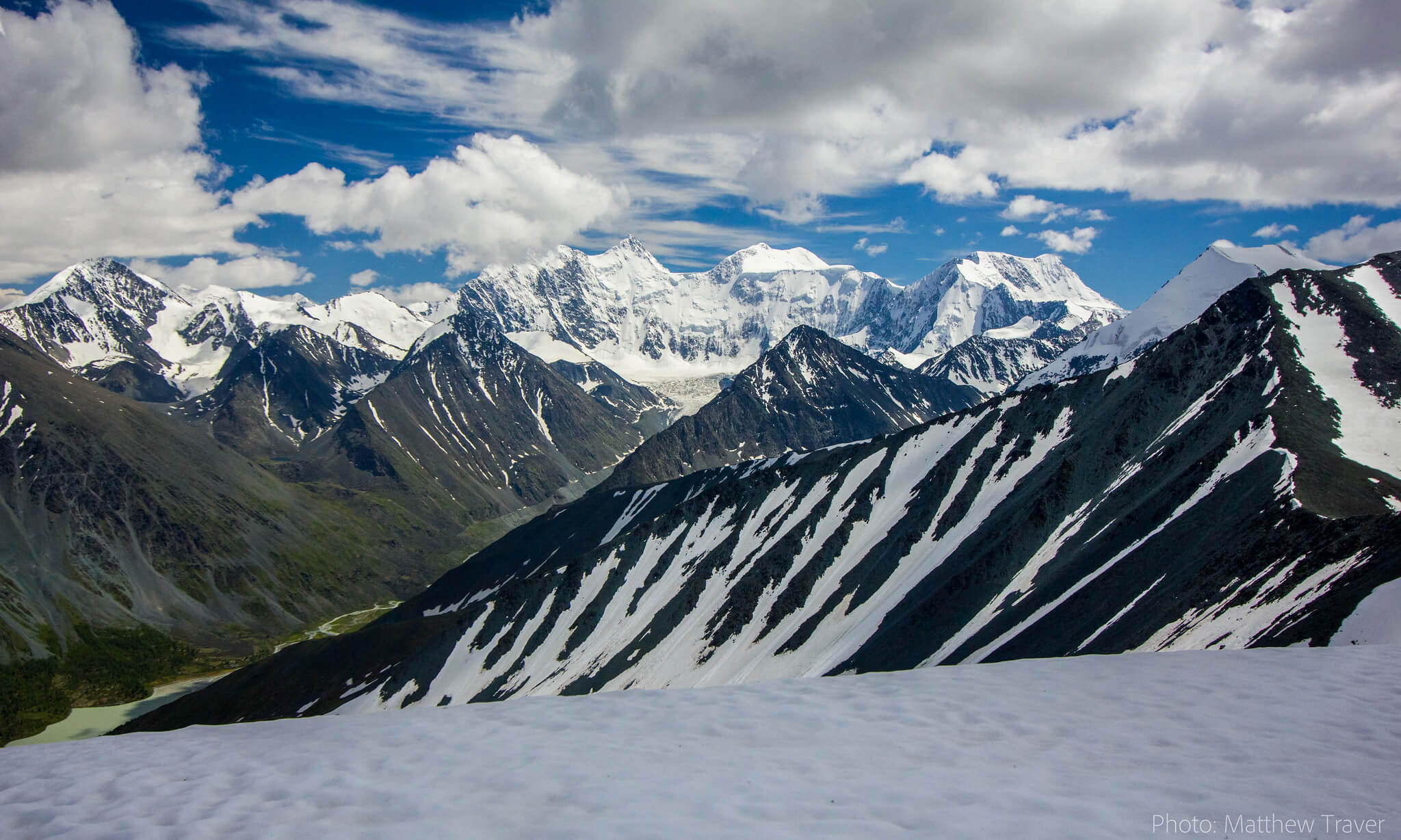
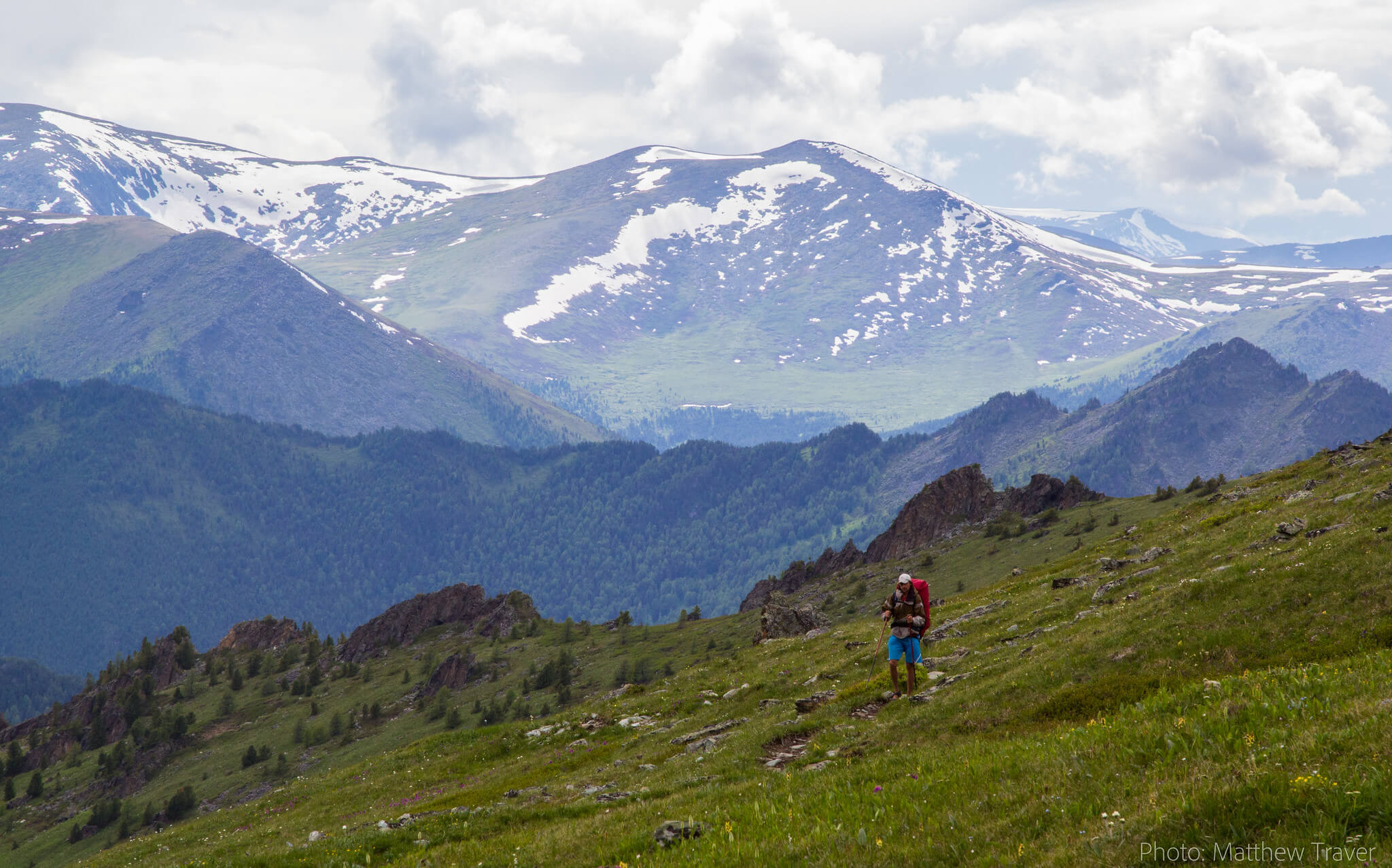
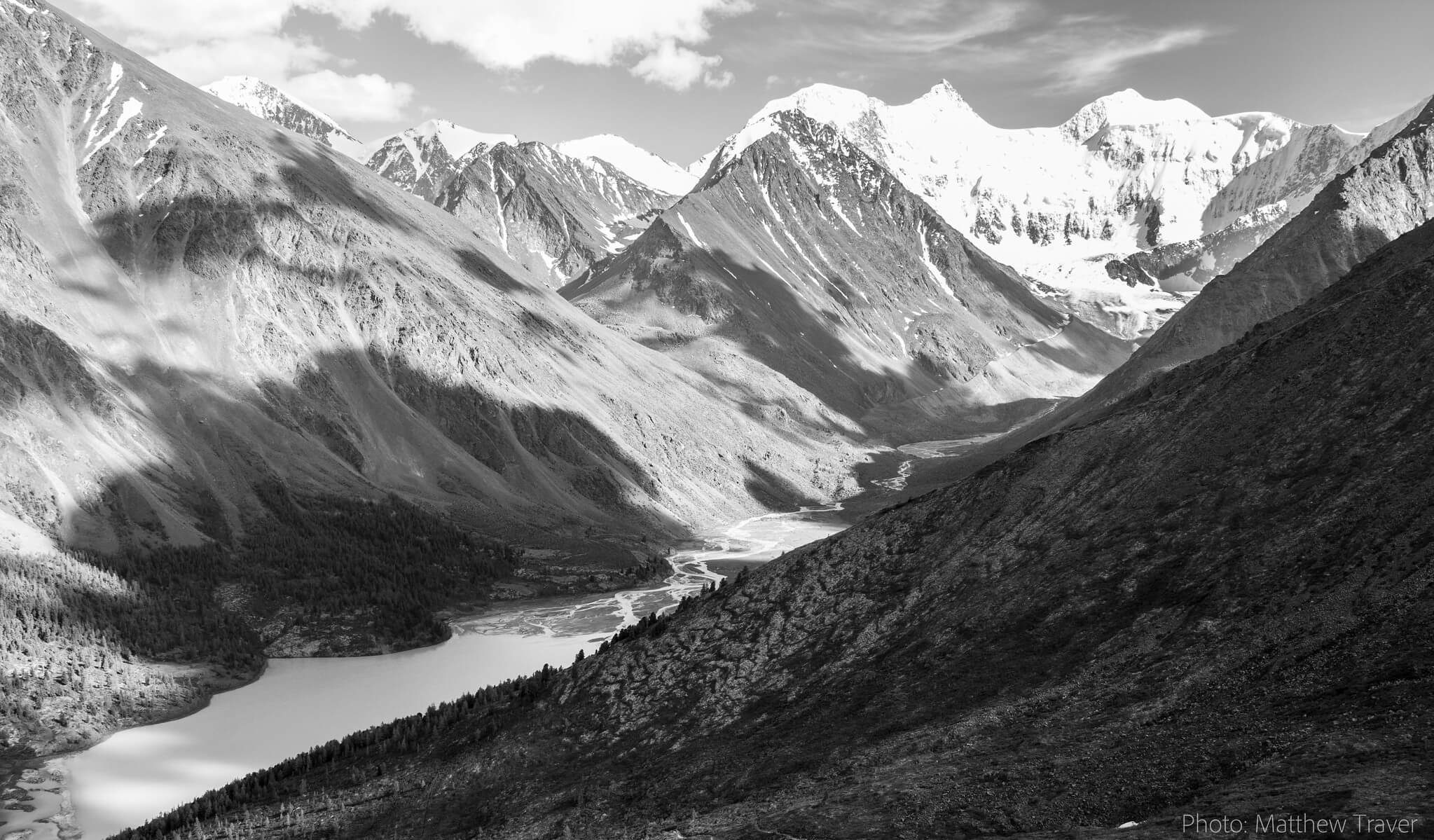
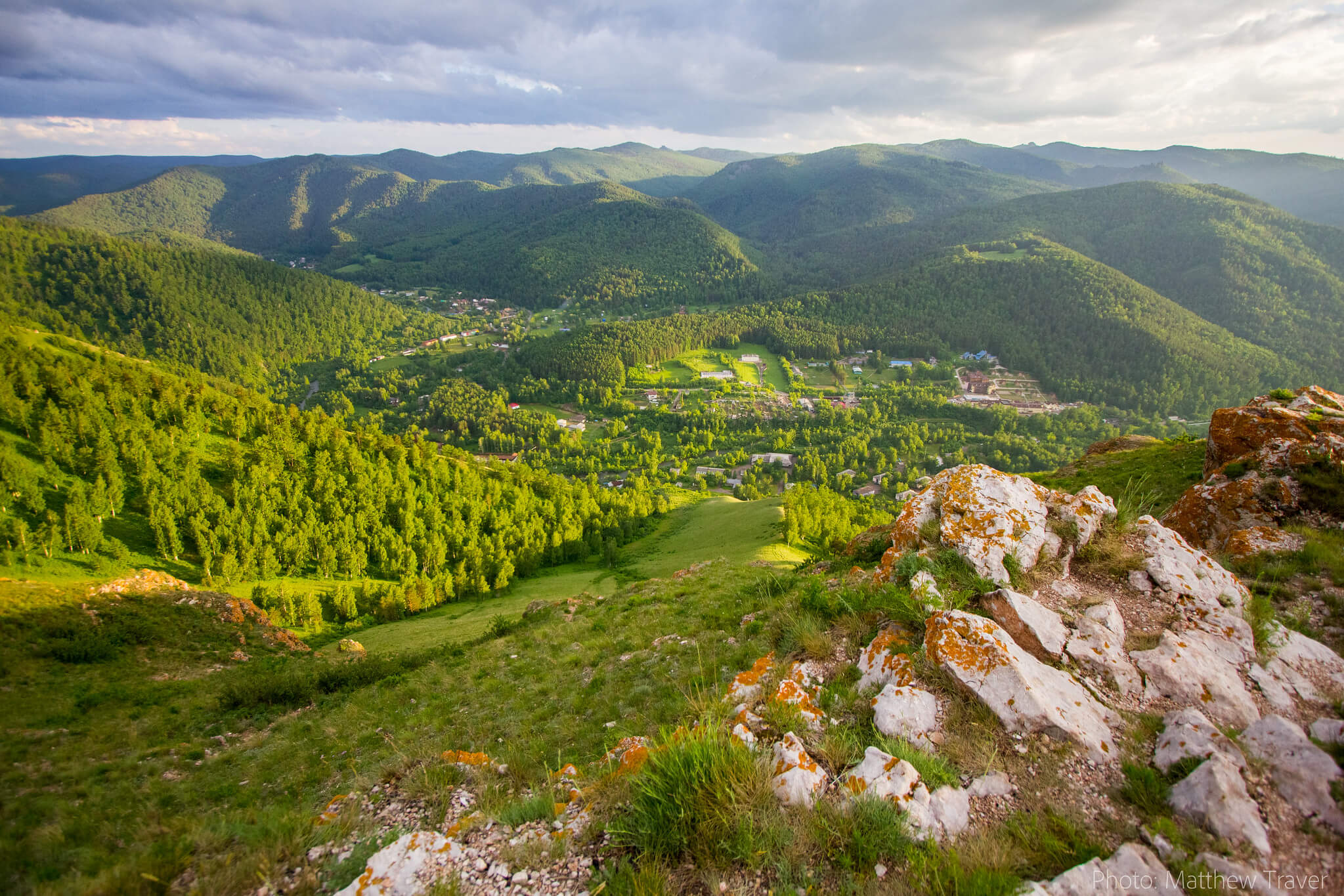
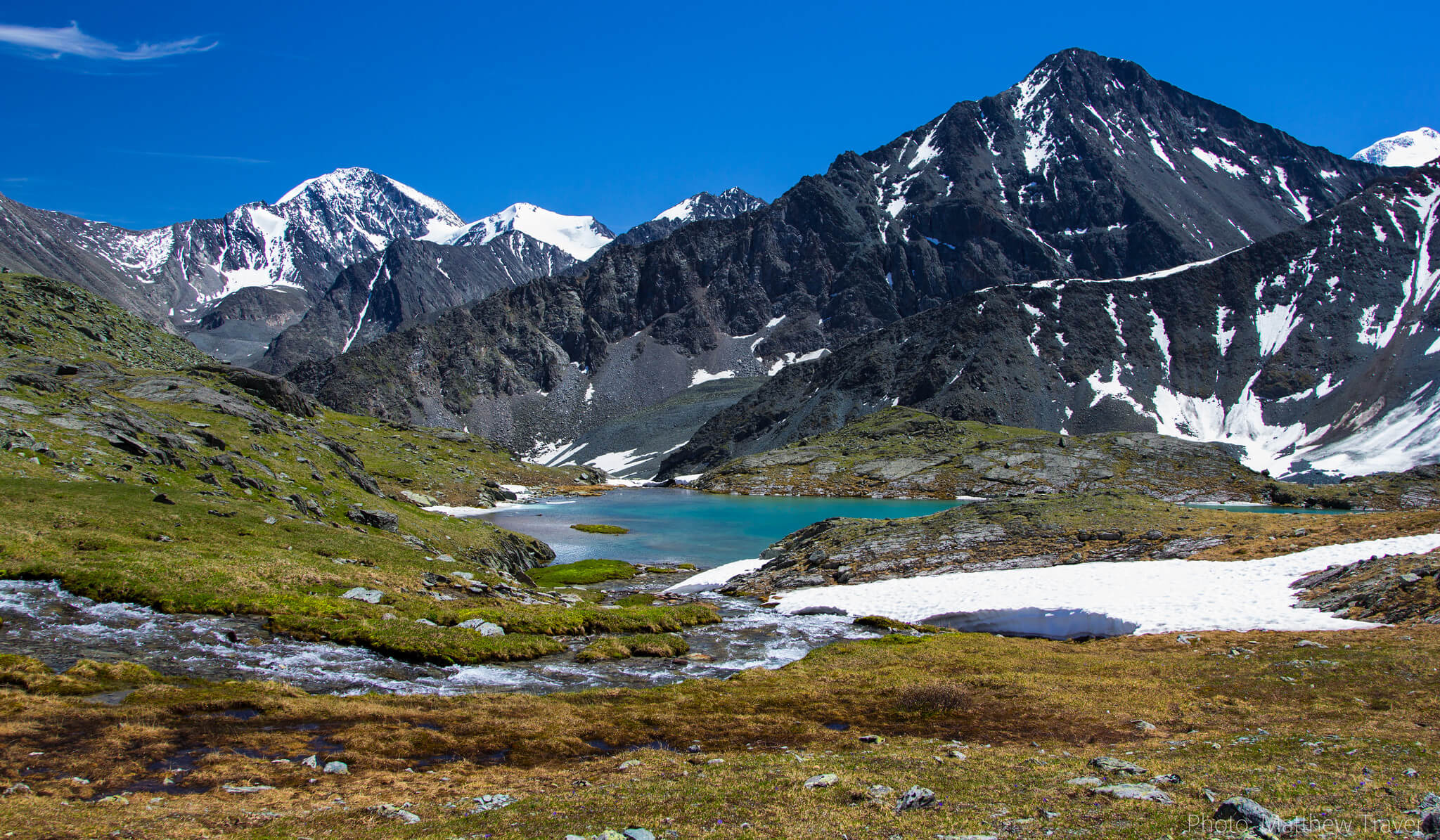
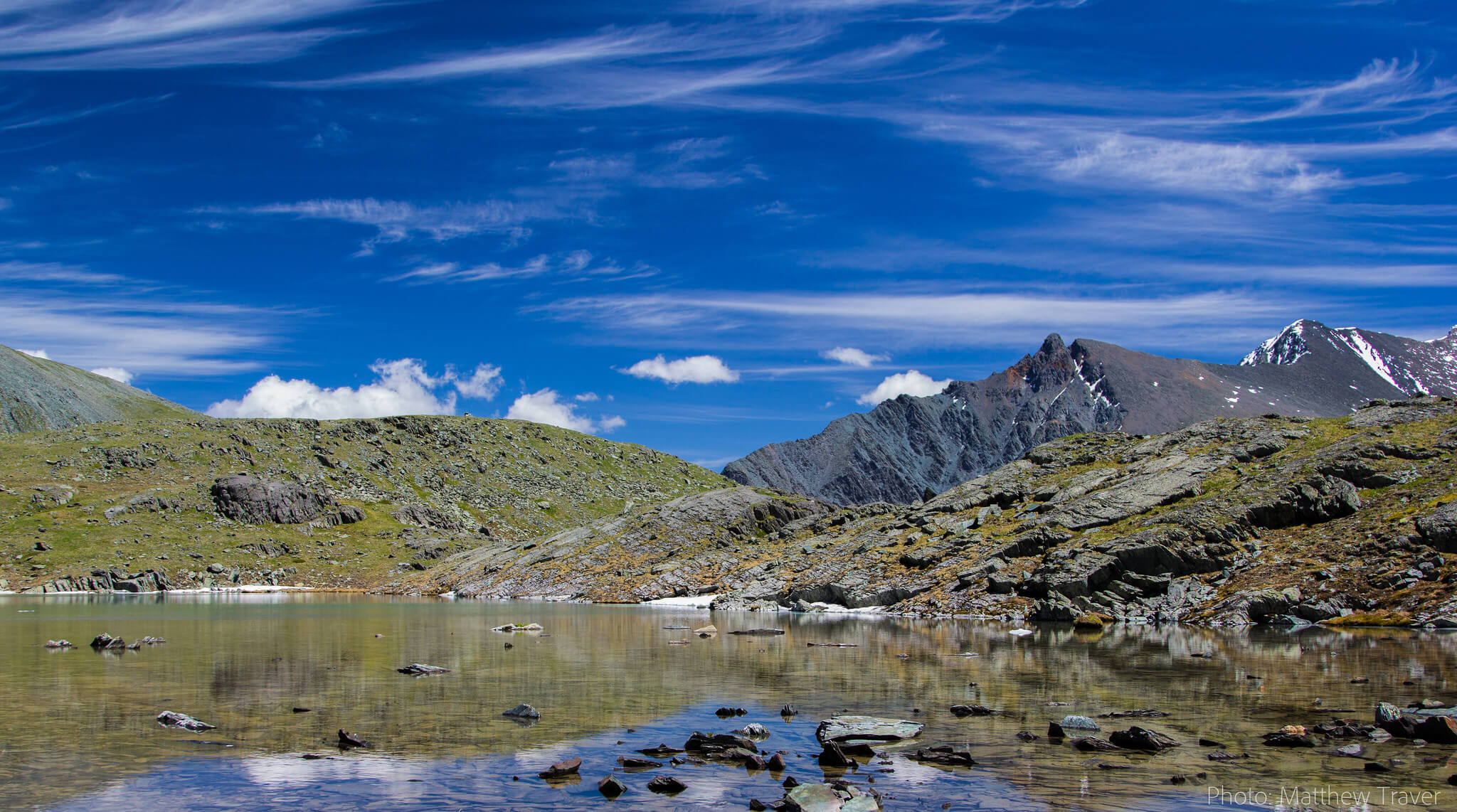
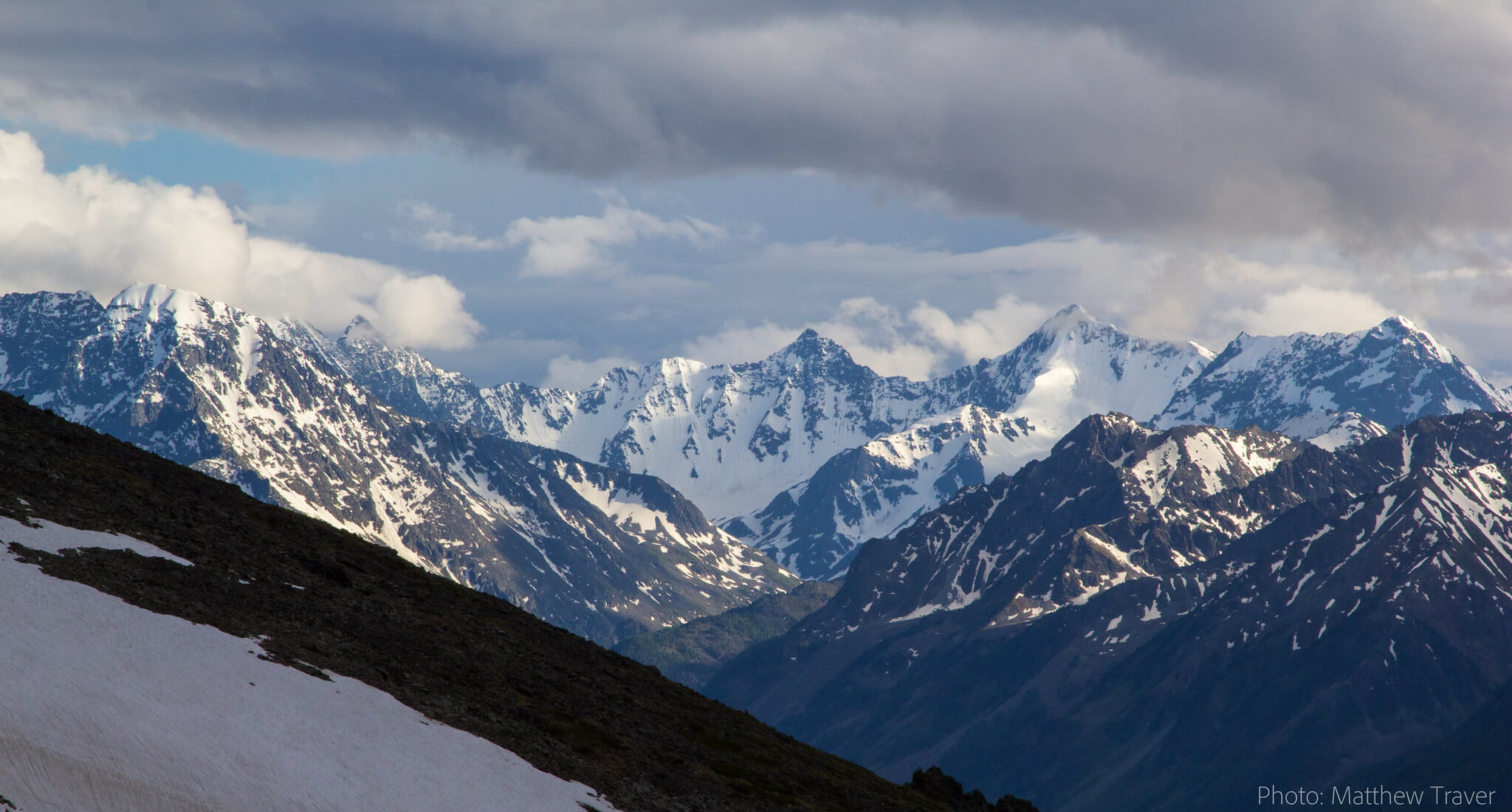
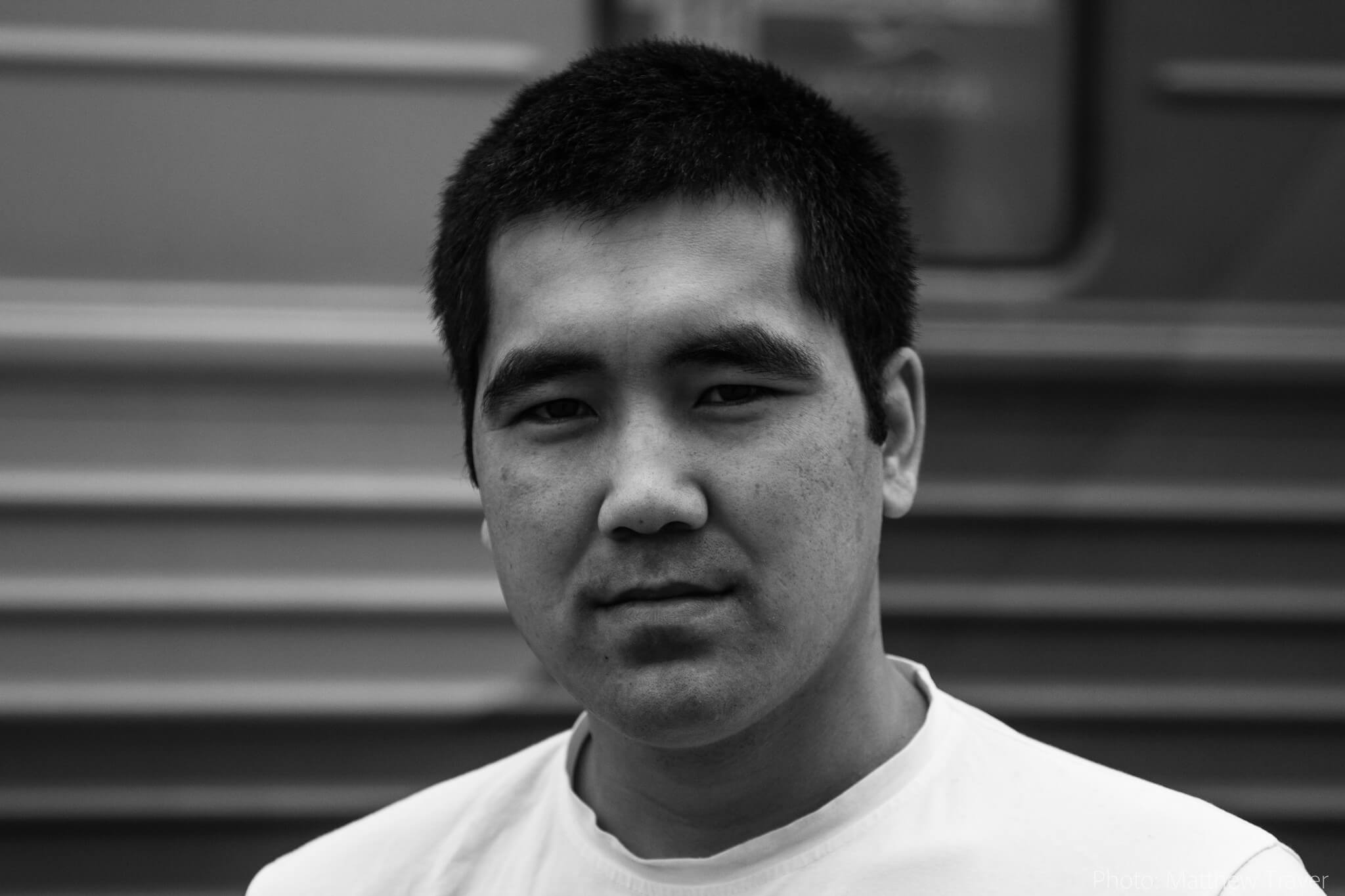
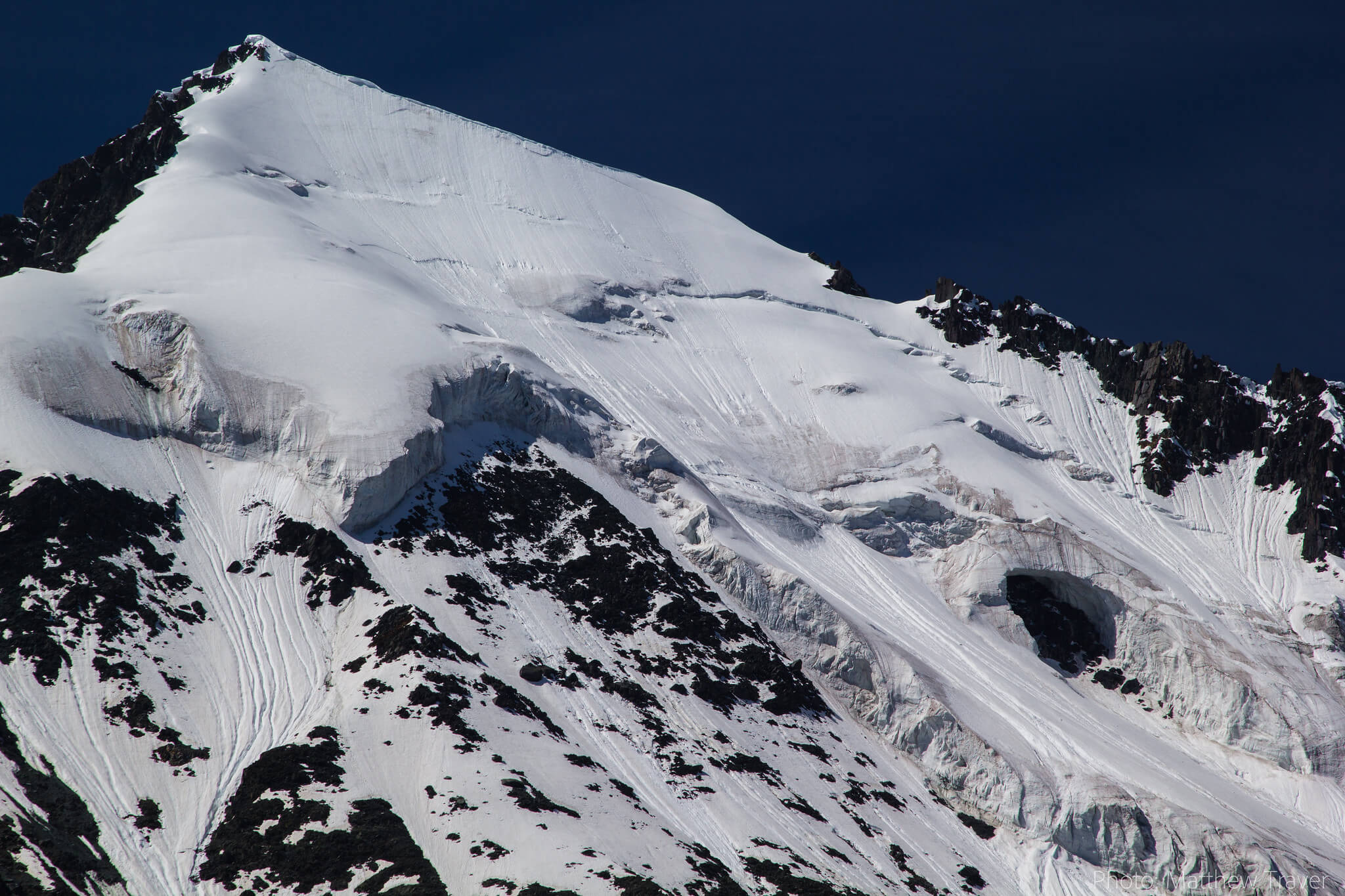
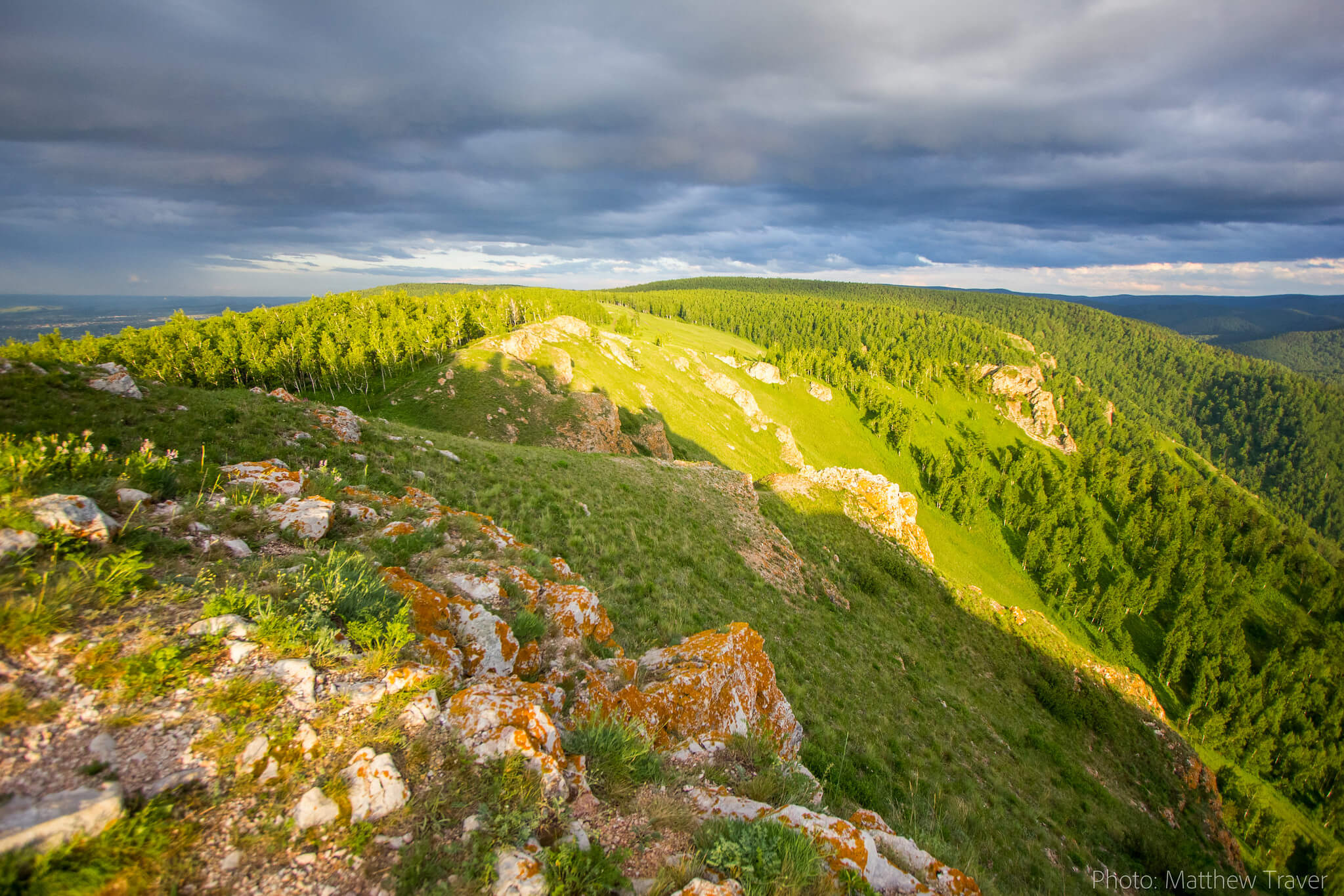
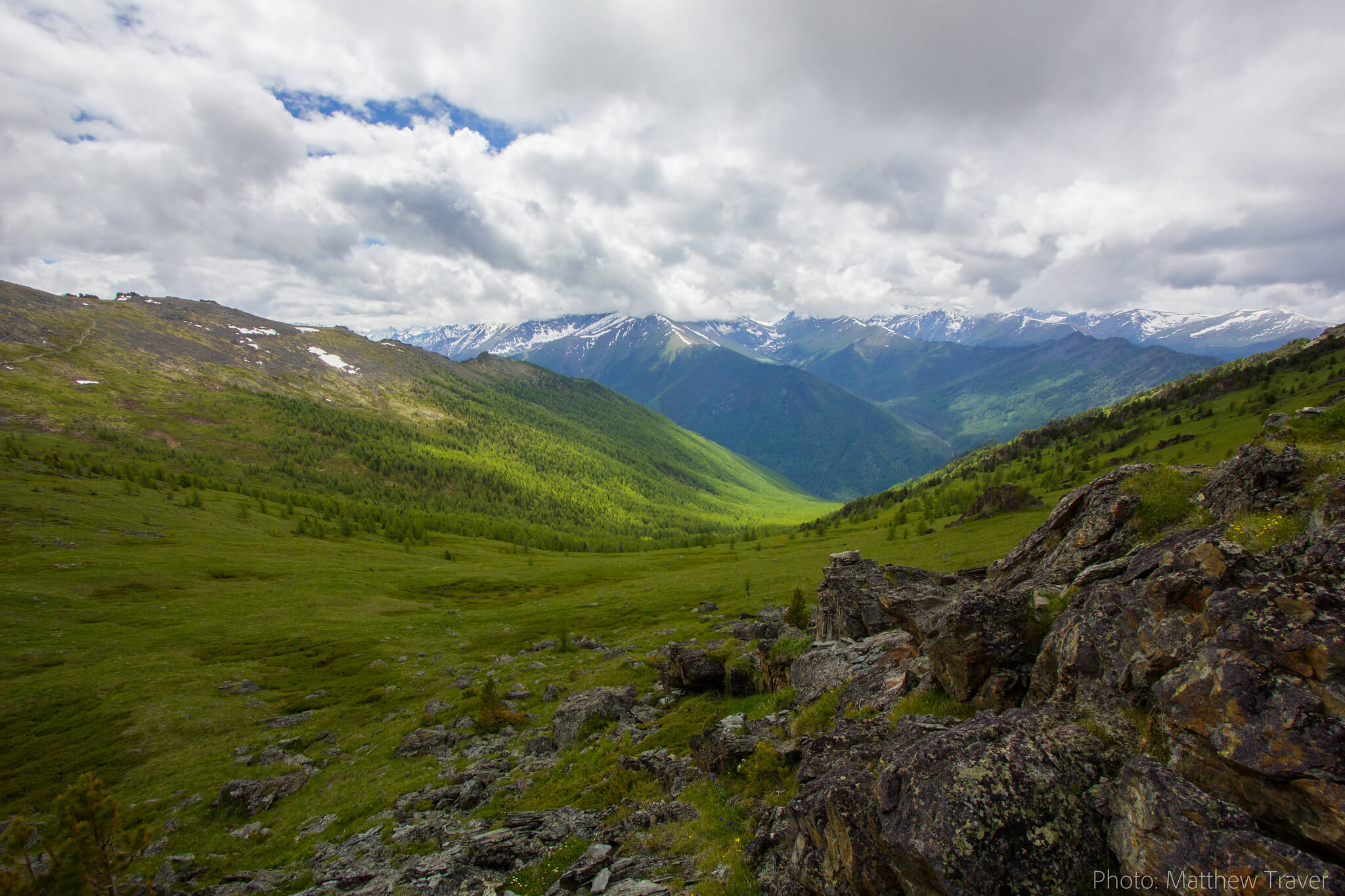
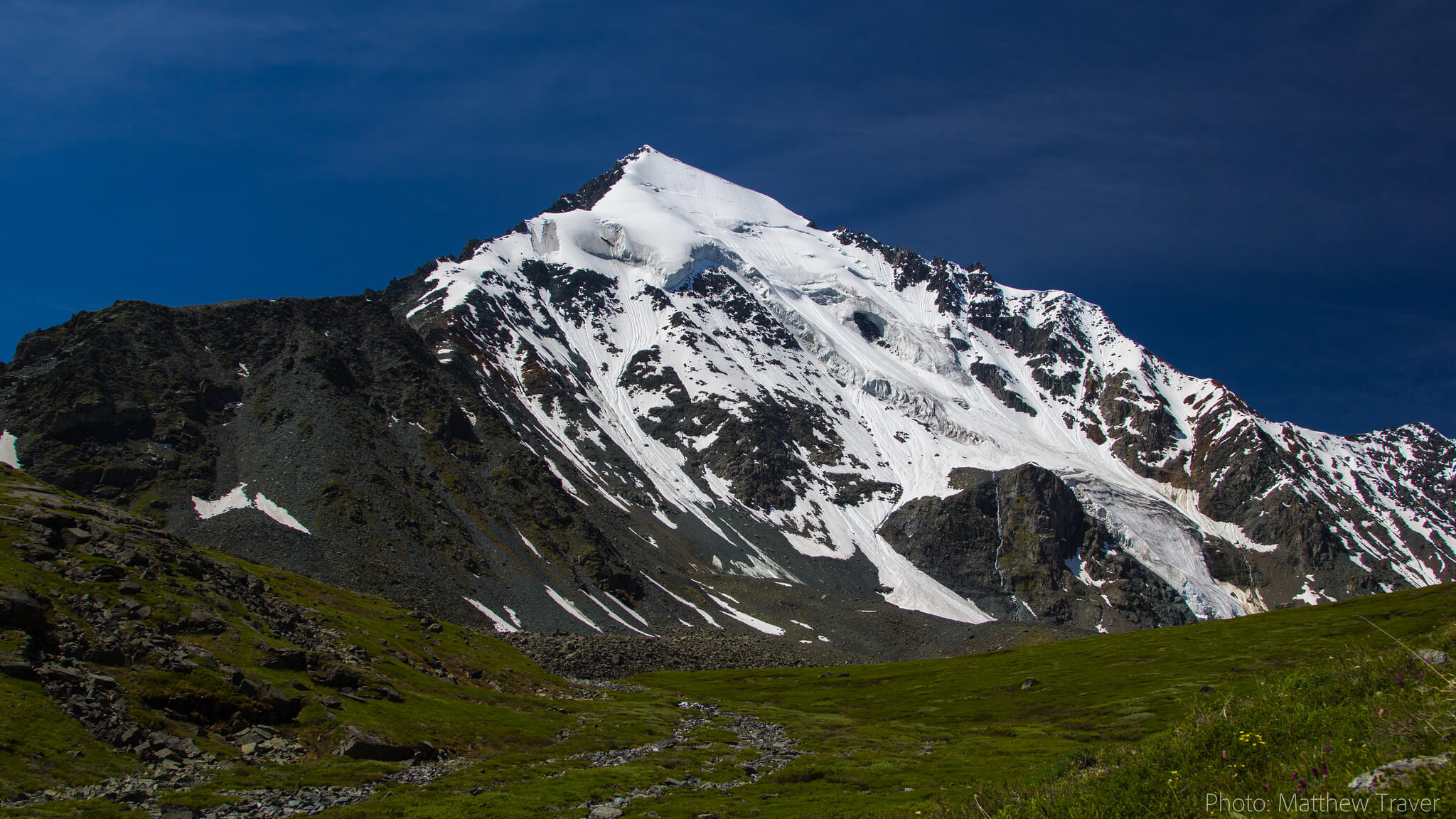
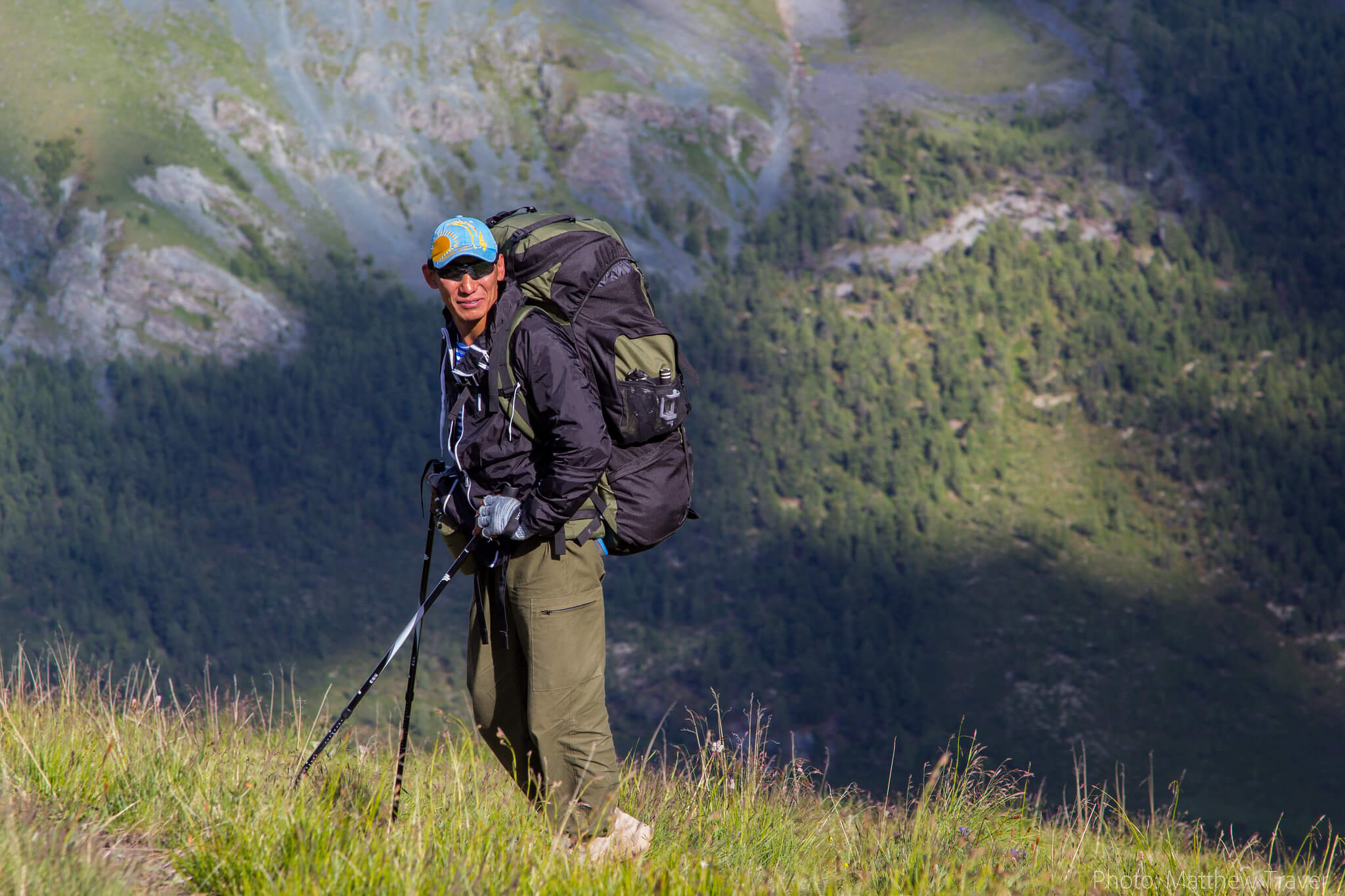
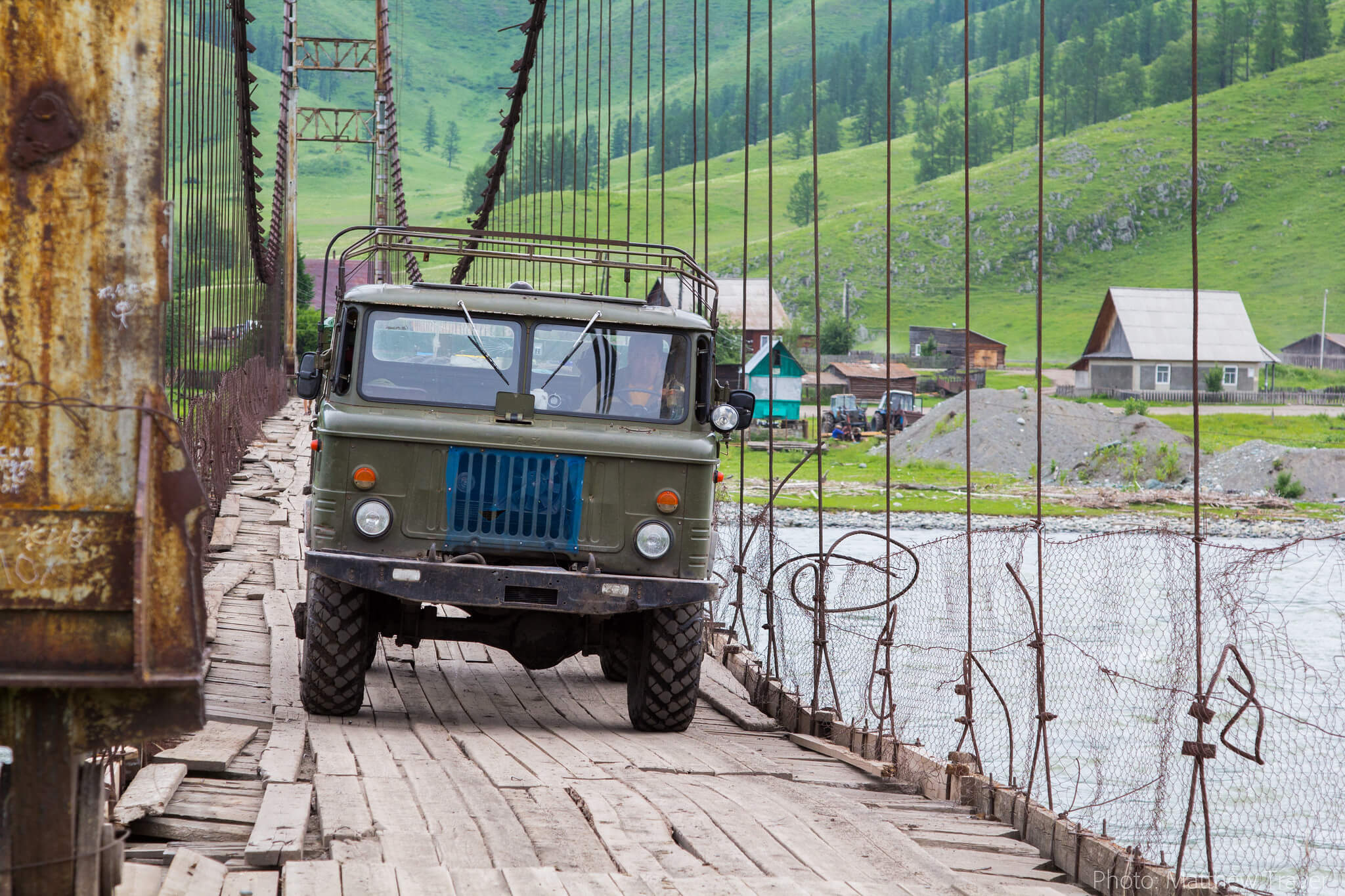
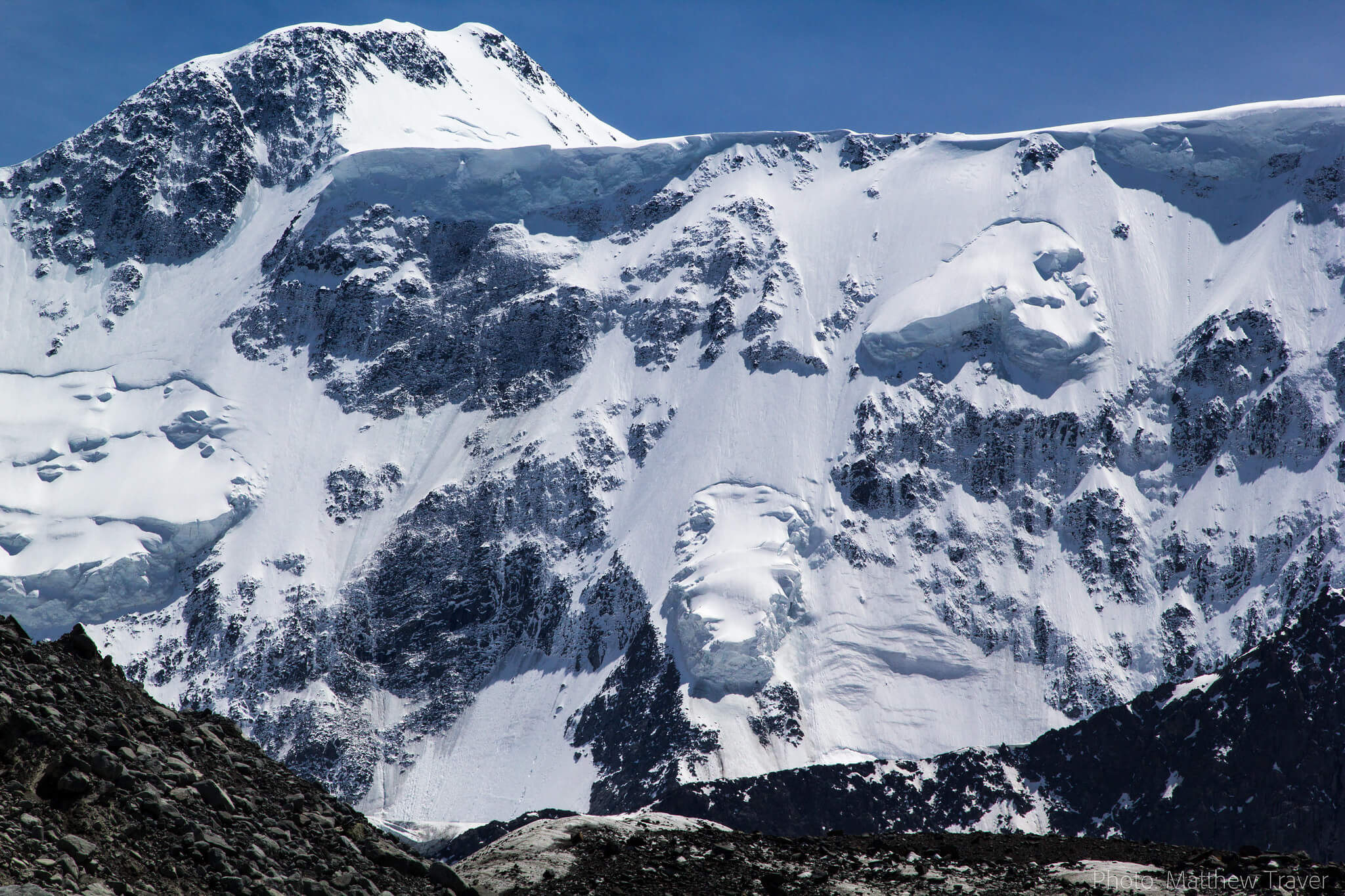
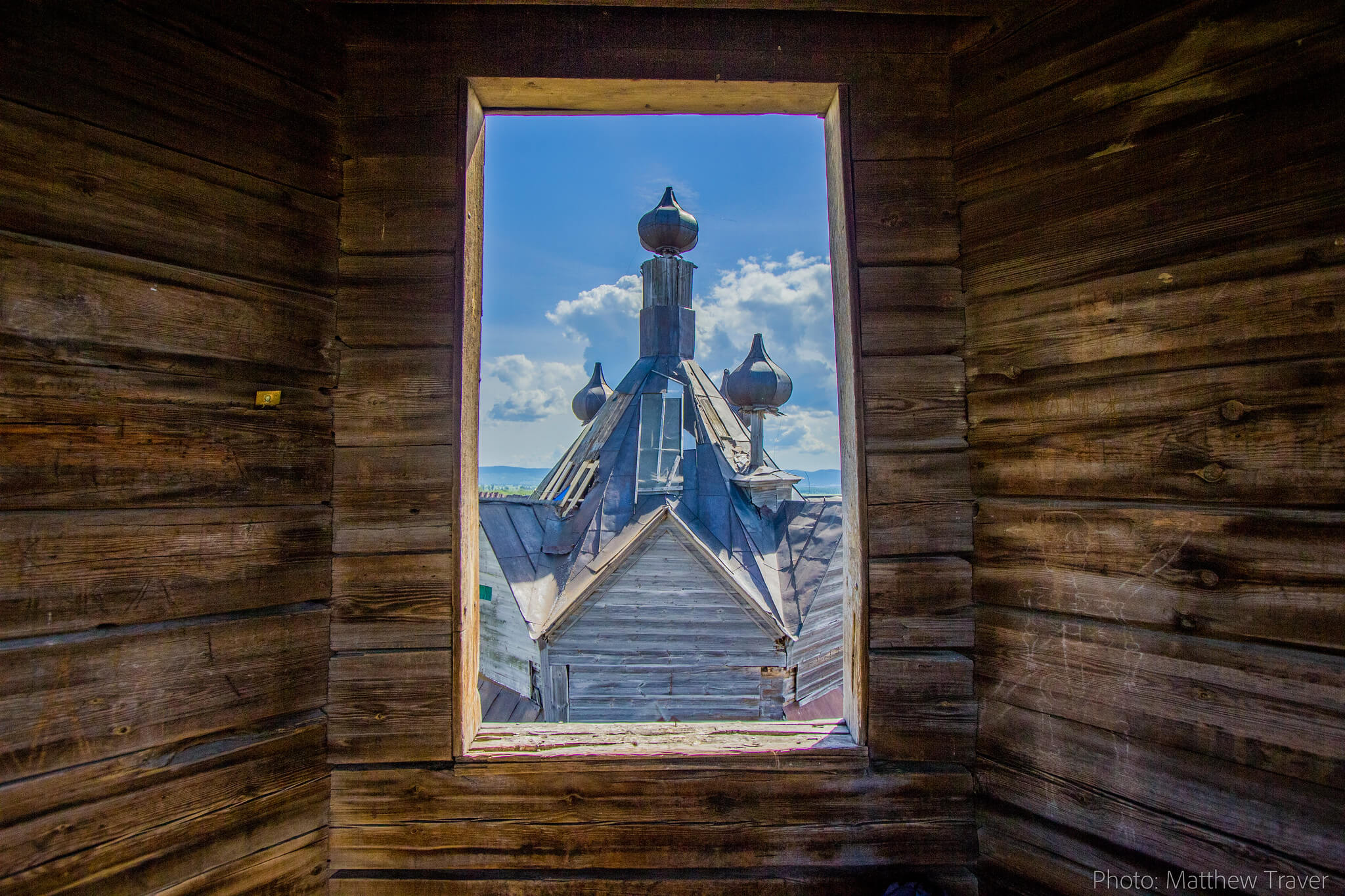
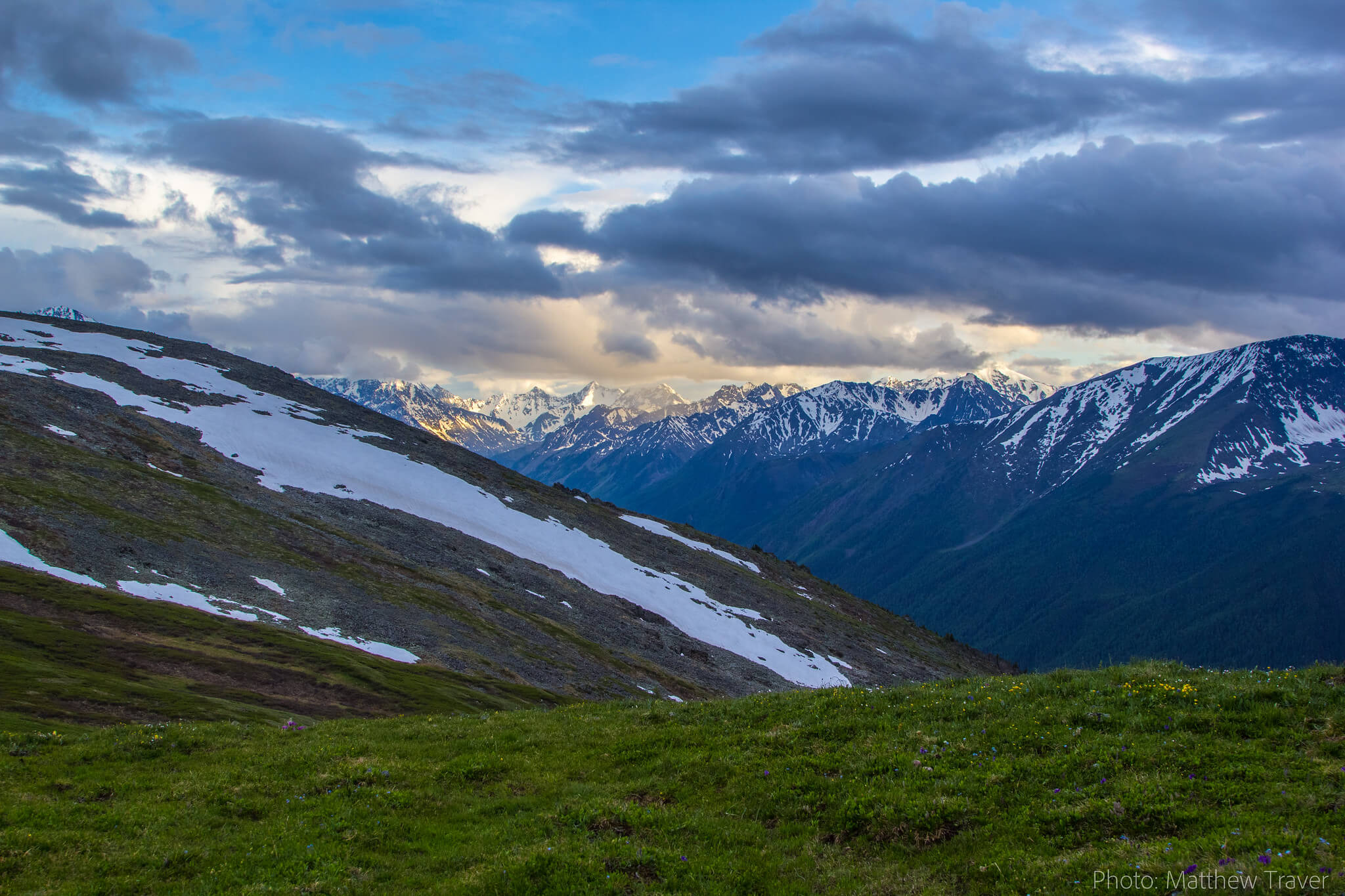
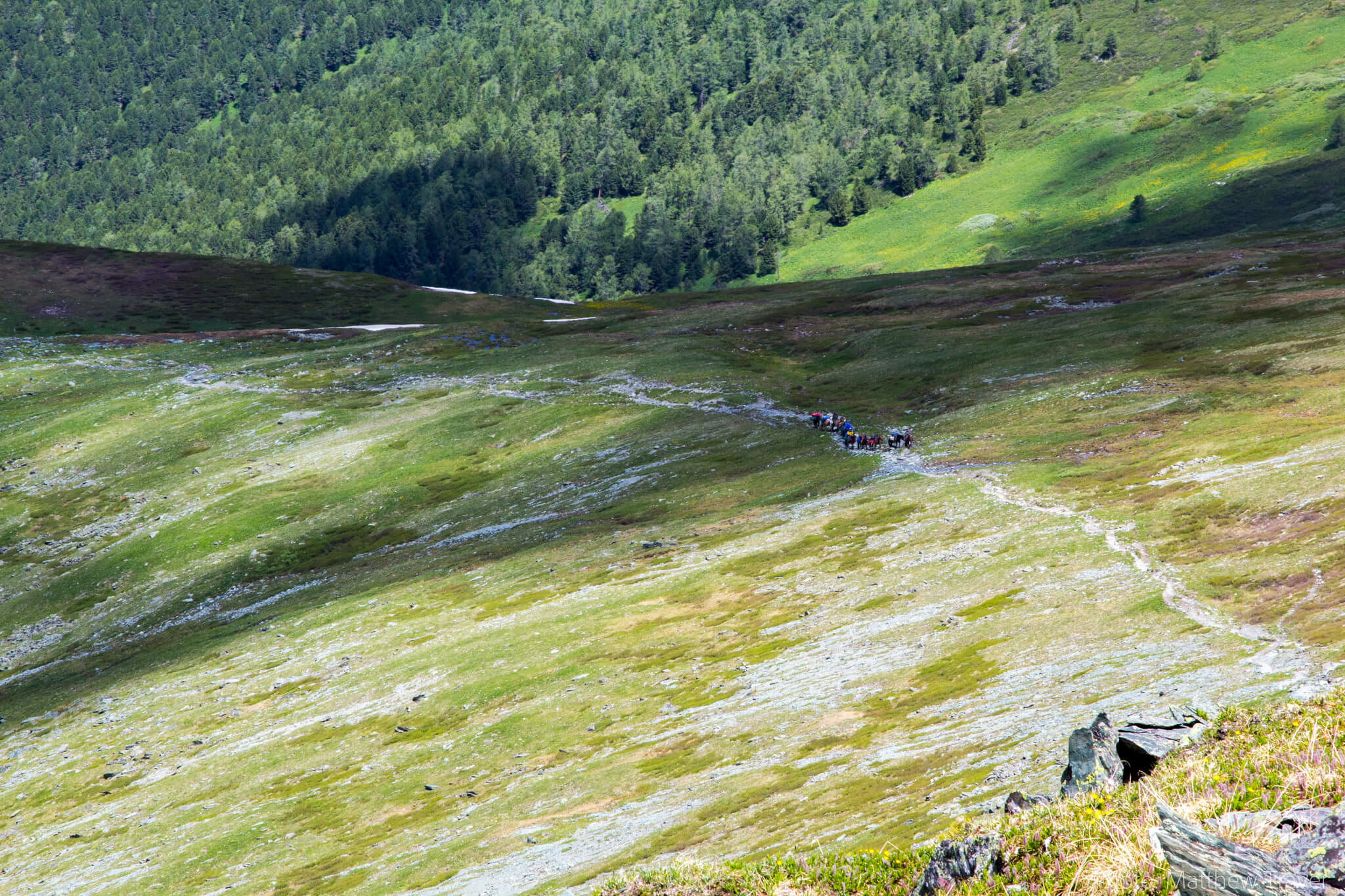
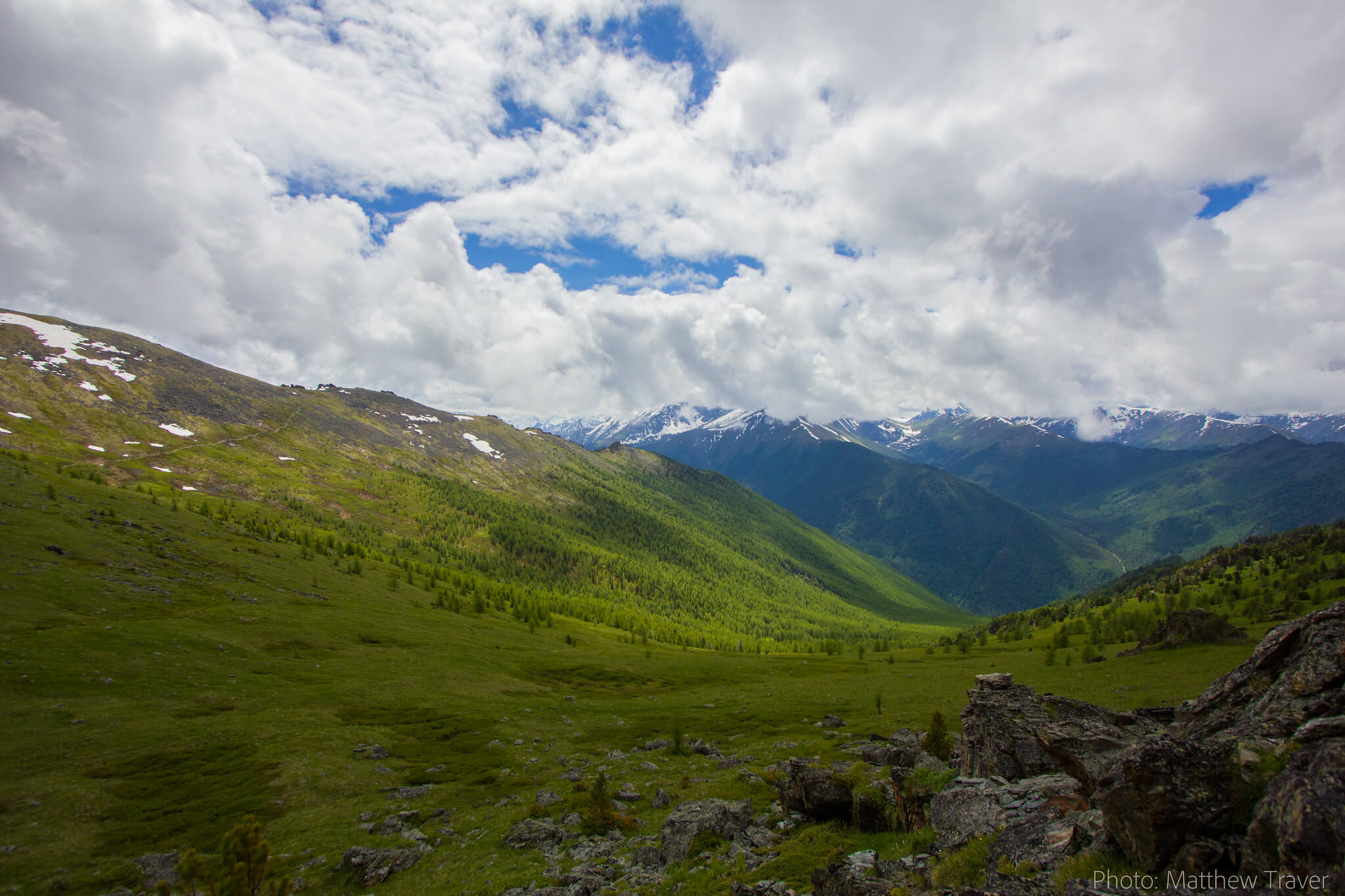
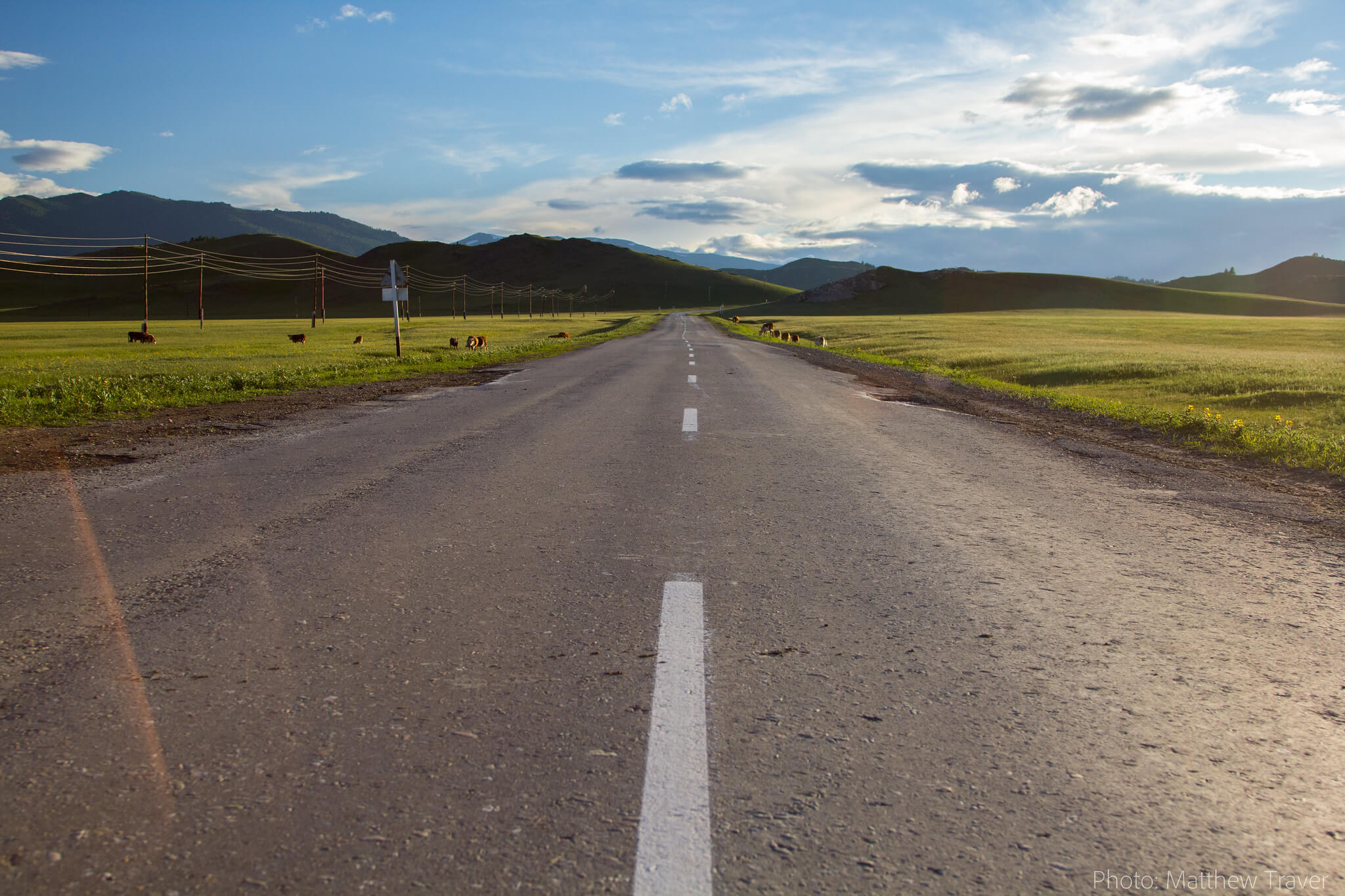
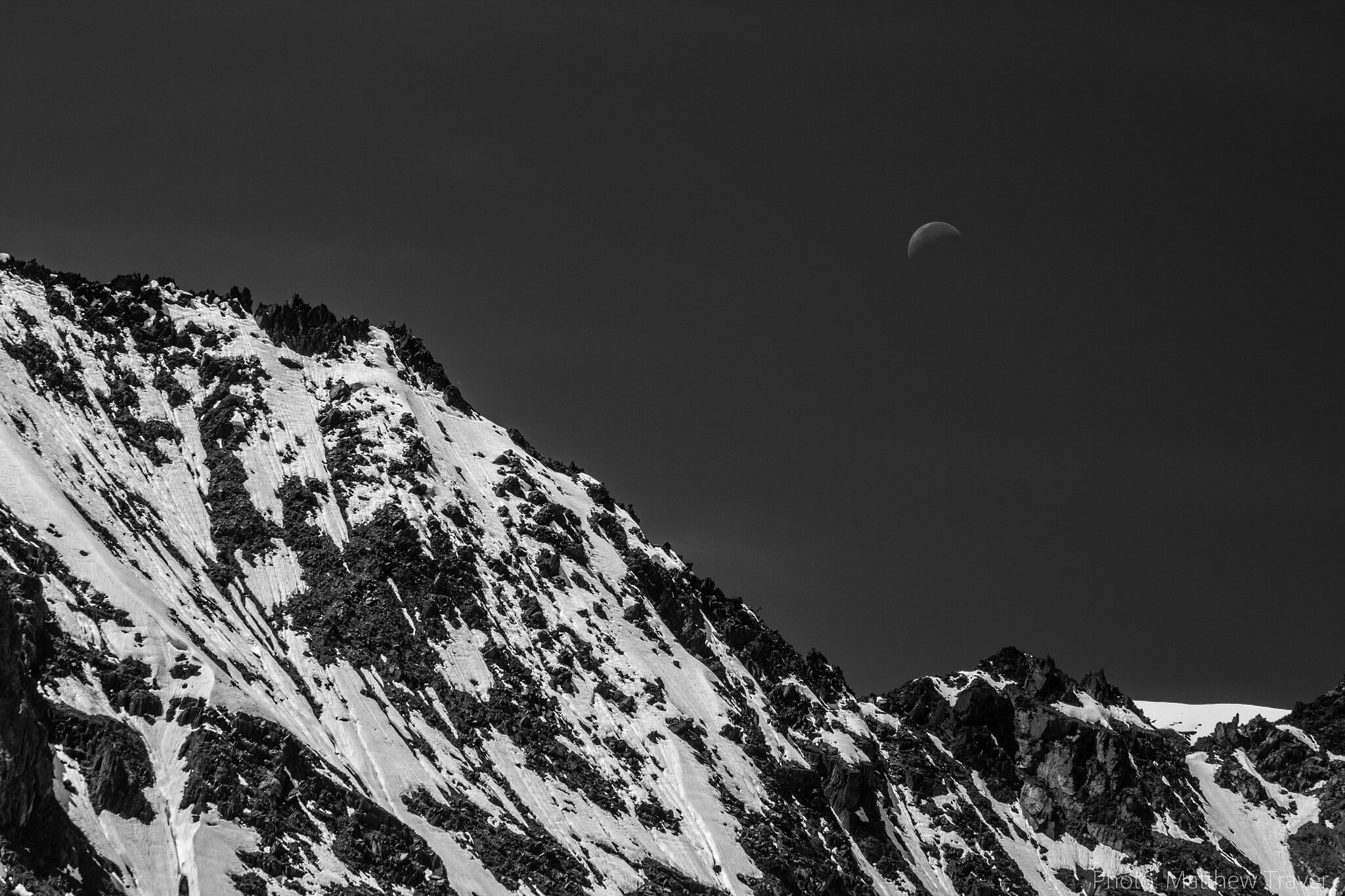
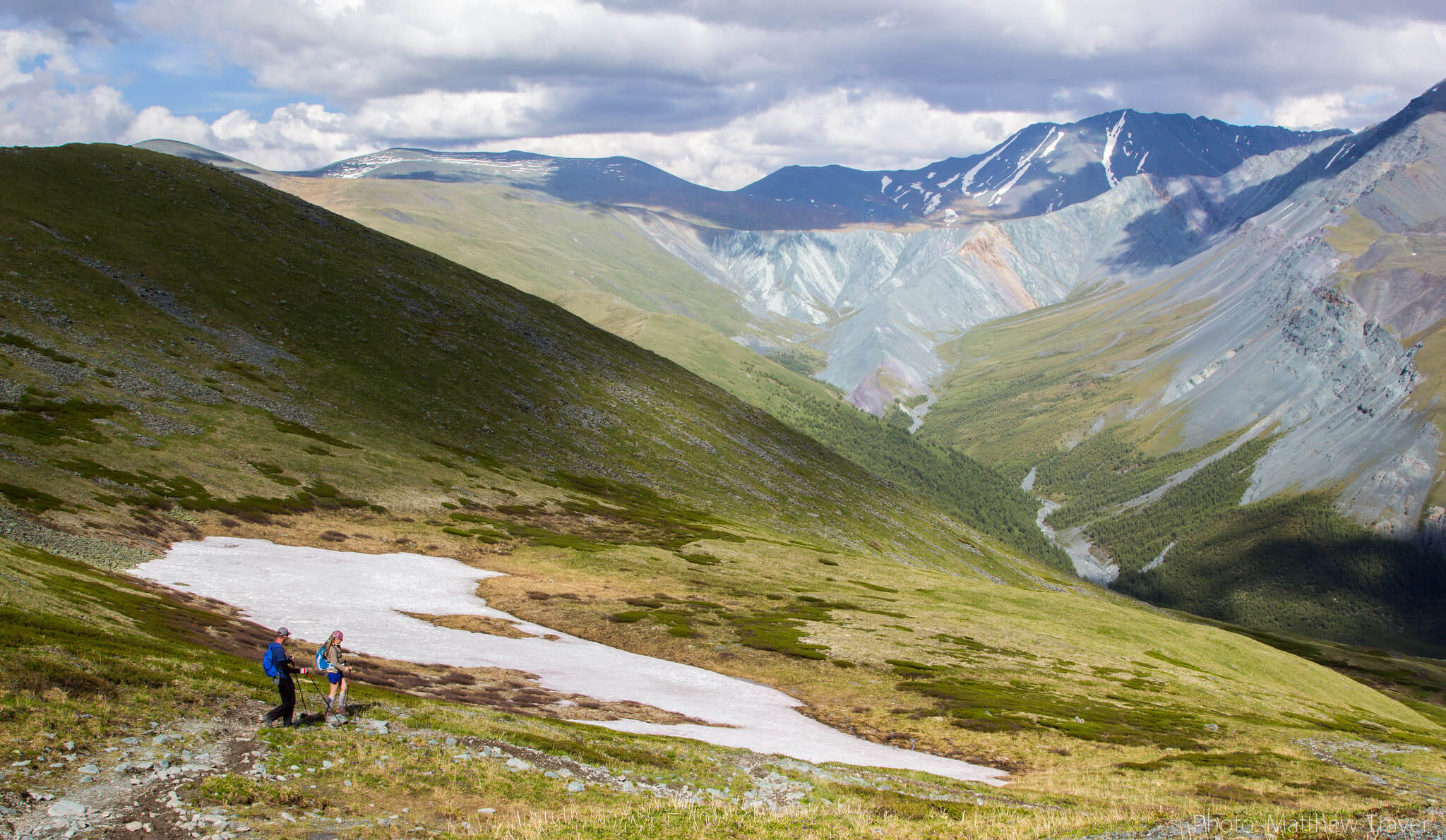
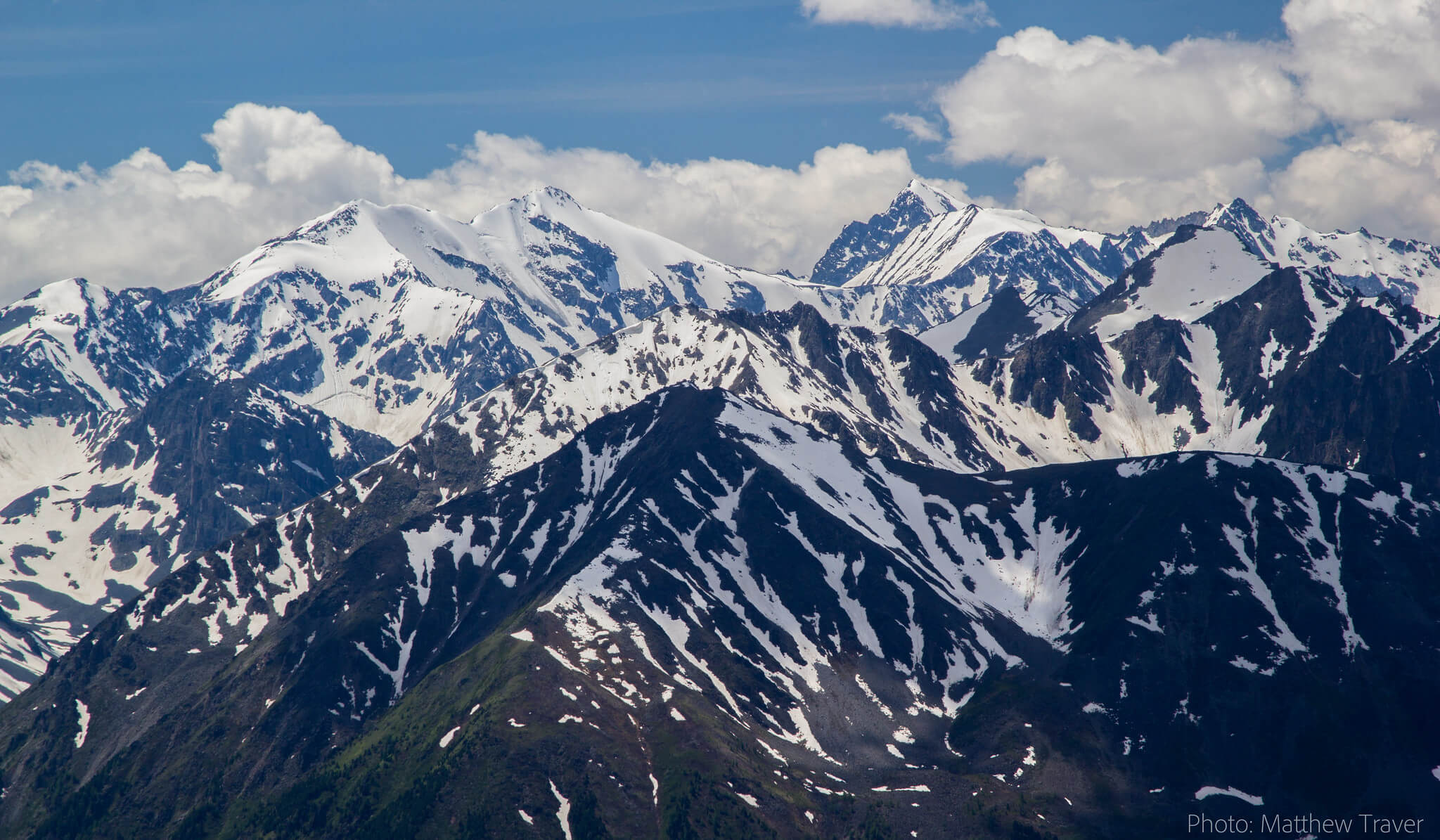
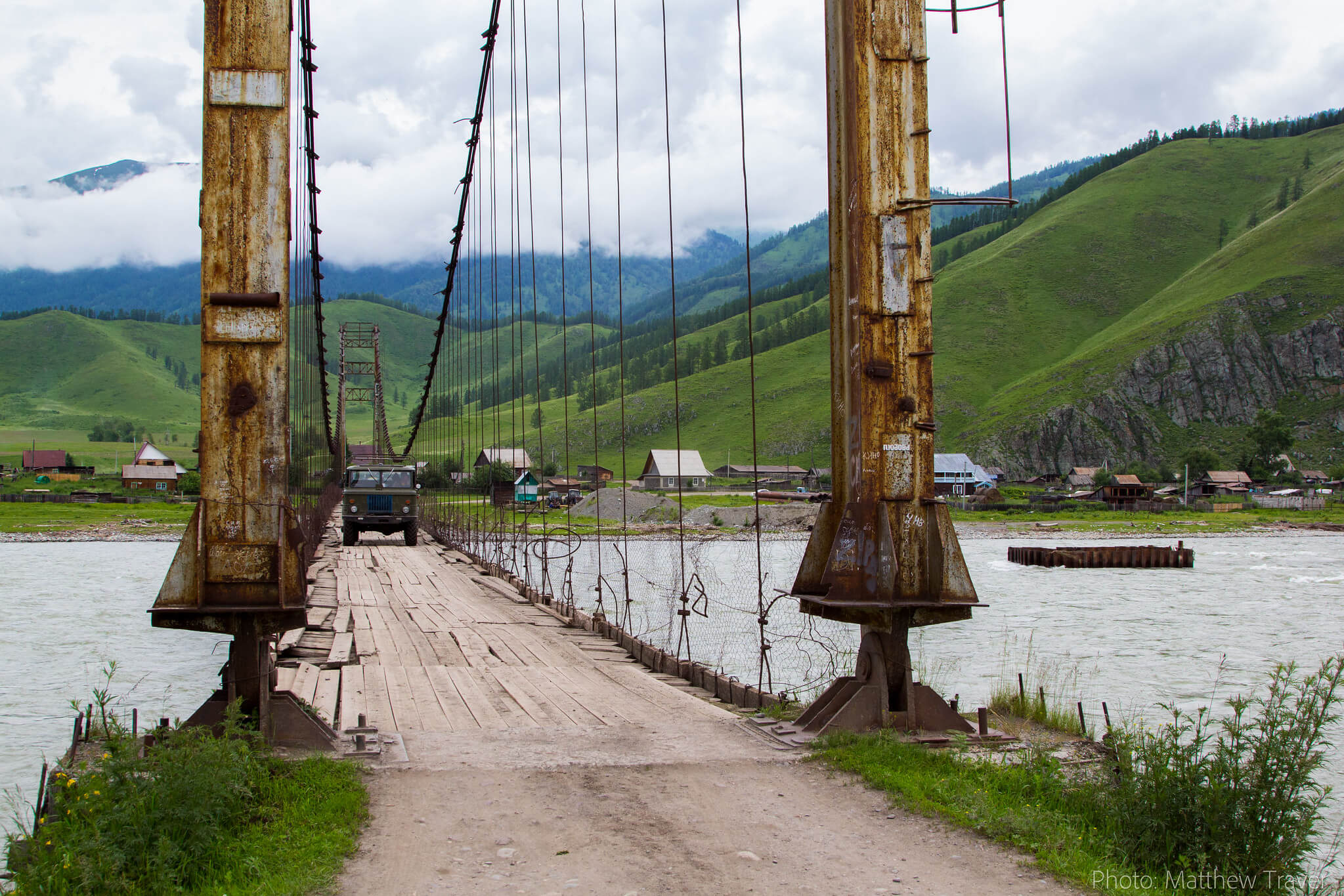
The Altai Republic, the least populated republic in Russia, is home to the indigenous Turkic Altay people, who make up 35% of its population. Many regard the land as sacred, and it’s easy to see why: lofty alpine peaks, forested valleys, and mountain lakes dominate the landscape. Many of its beauty spots are also steeped in history and mythology — from Mount Belukha, believed by some to be the location of Shambhala, to the Ukok Plateau, where the 5th-century BCE Siberian Ice Maiden was discovered — one of Russia’s most significant 20th-century archaeological finds. These Russian Altai photos were taken during a six-week trip, including a trek to the base of Belukha.
For historical photographs of the Altai Mountains, see Sergei Borisov’s 1907-1911 collection, with additional images available through the Library of Congress. Born into a slave family before Russia’s 1861 emancipation, Borisov later moved to Barnaul, opened a photographic studio, and used its income to fund his ambitious Altai project, creating more than 1,500 images over four years.
Beyond Belukha and the Ukok Plateau, other highlights include Teletskoye Lake, the largest in the Altai Mountains, located within the Altaisky Nature Reserve. Fed by more than 70 rivers, its name originates from the Teleuty people, who once called it Altyn-Khol (Gold Lake). The lake is a hub for fishing, trekking, and kayaking. For something more demanding, experienced paddlers can take on the Katun River, a nearly 700km waterway known for its powerful rapids, whirlpools, and fast-flowing currents.