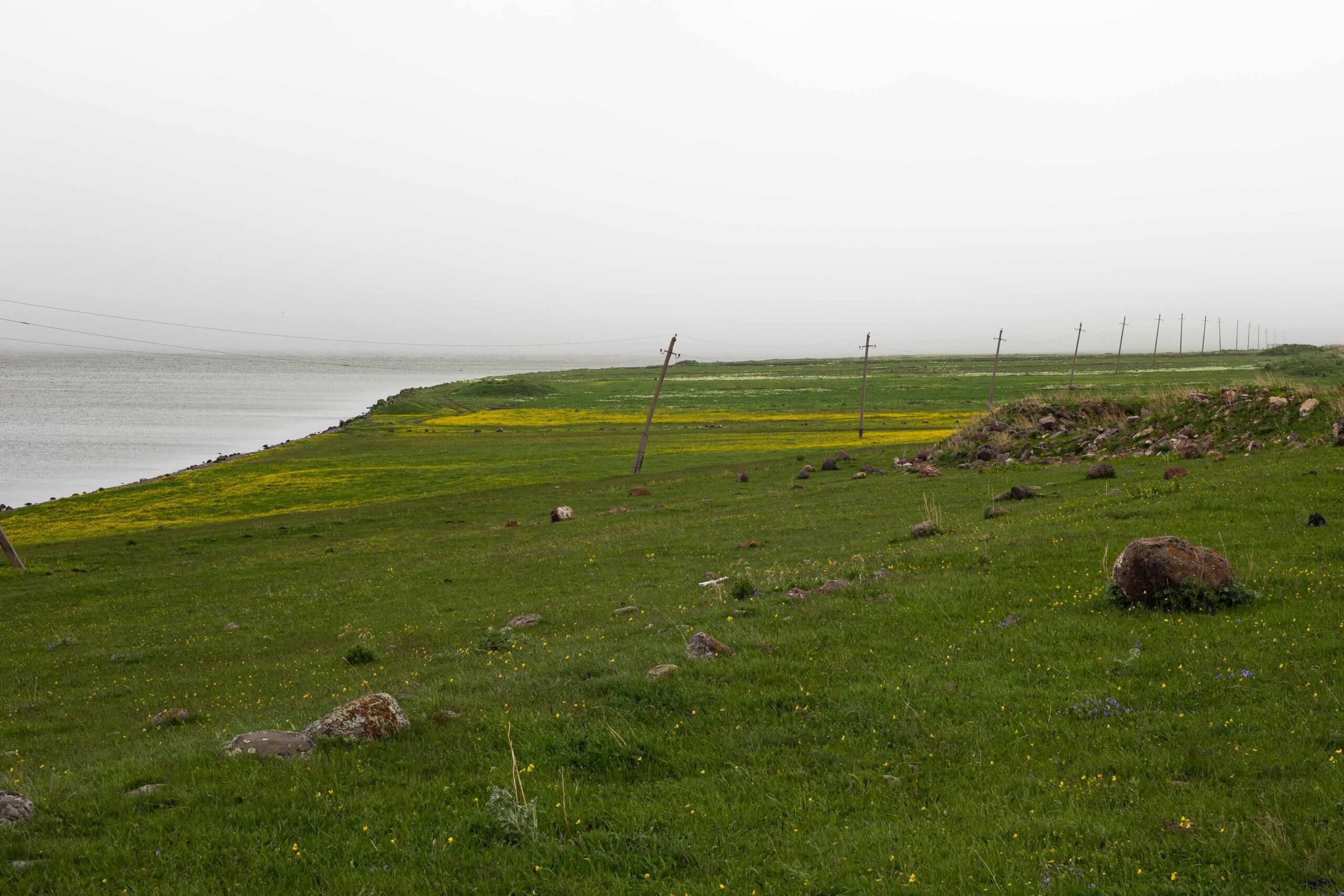
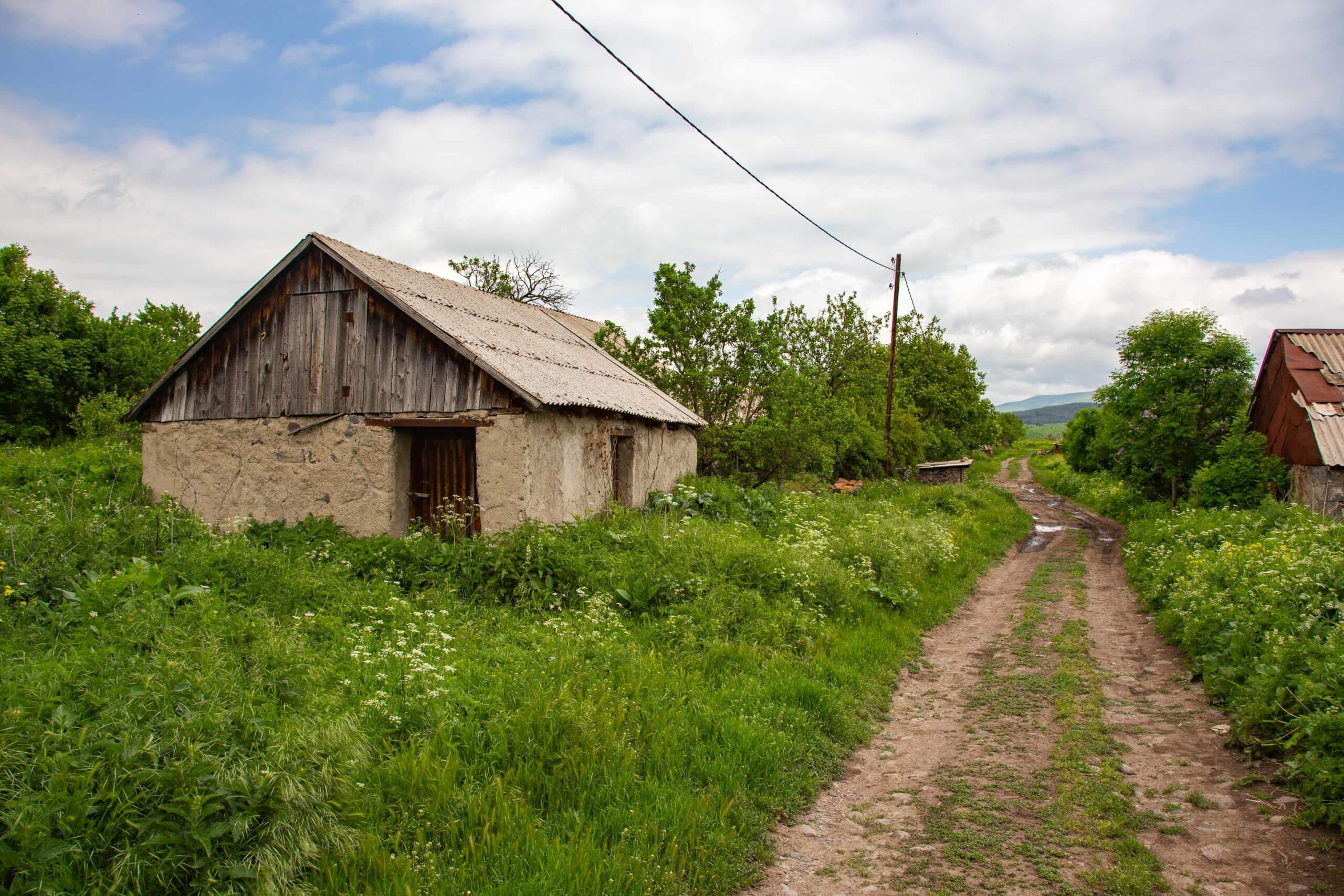
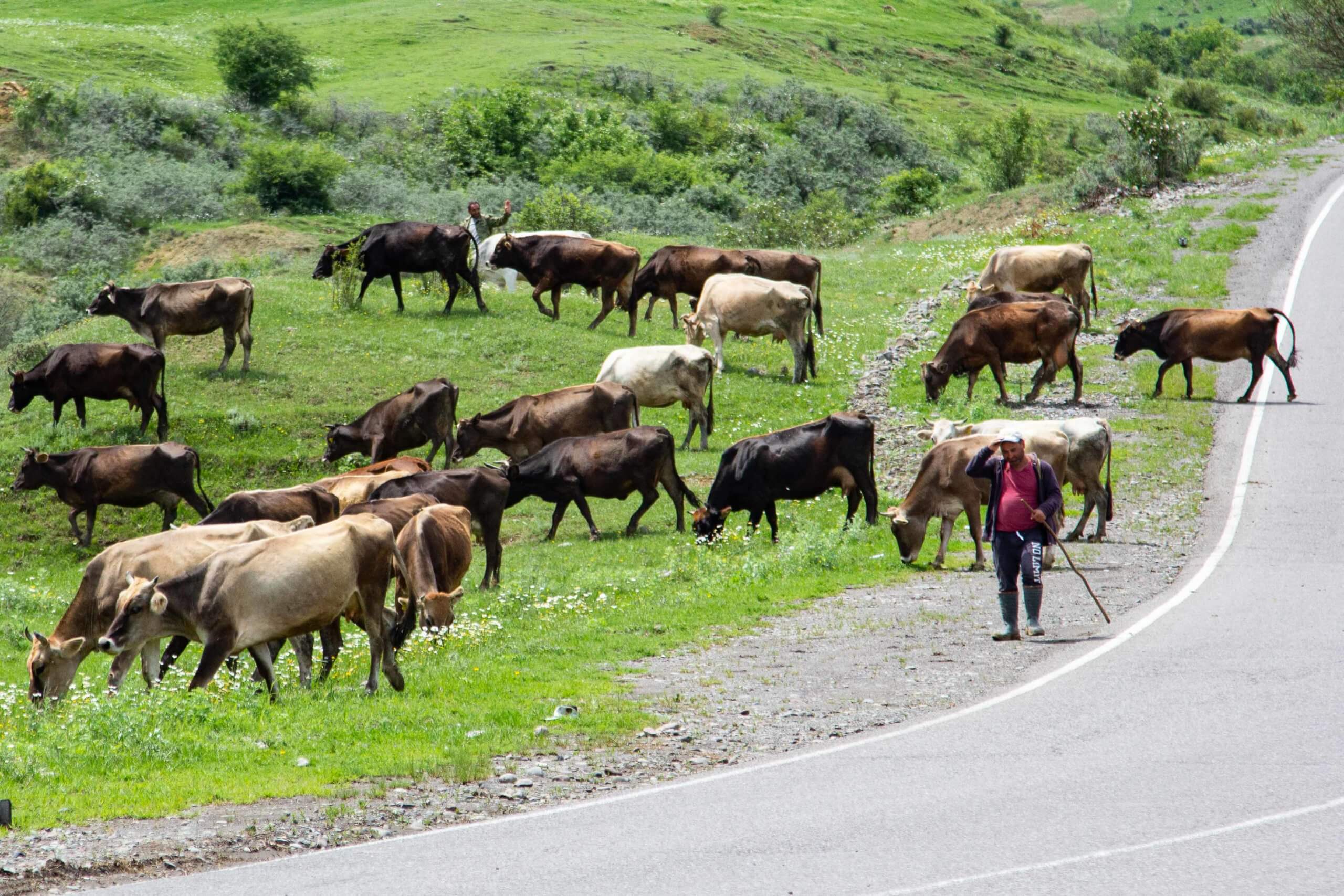
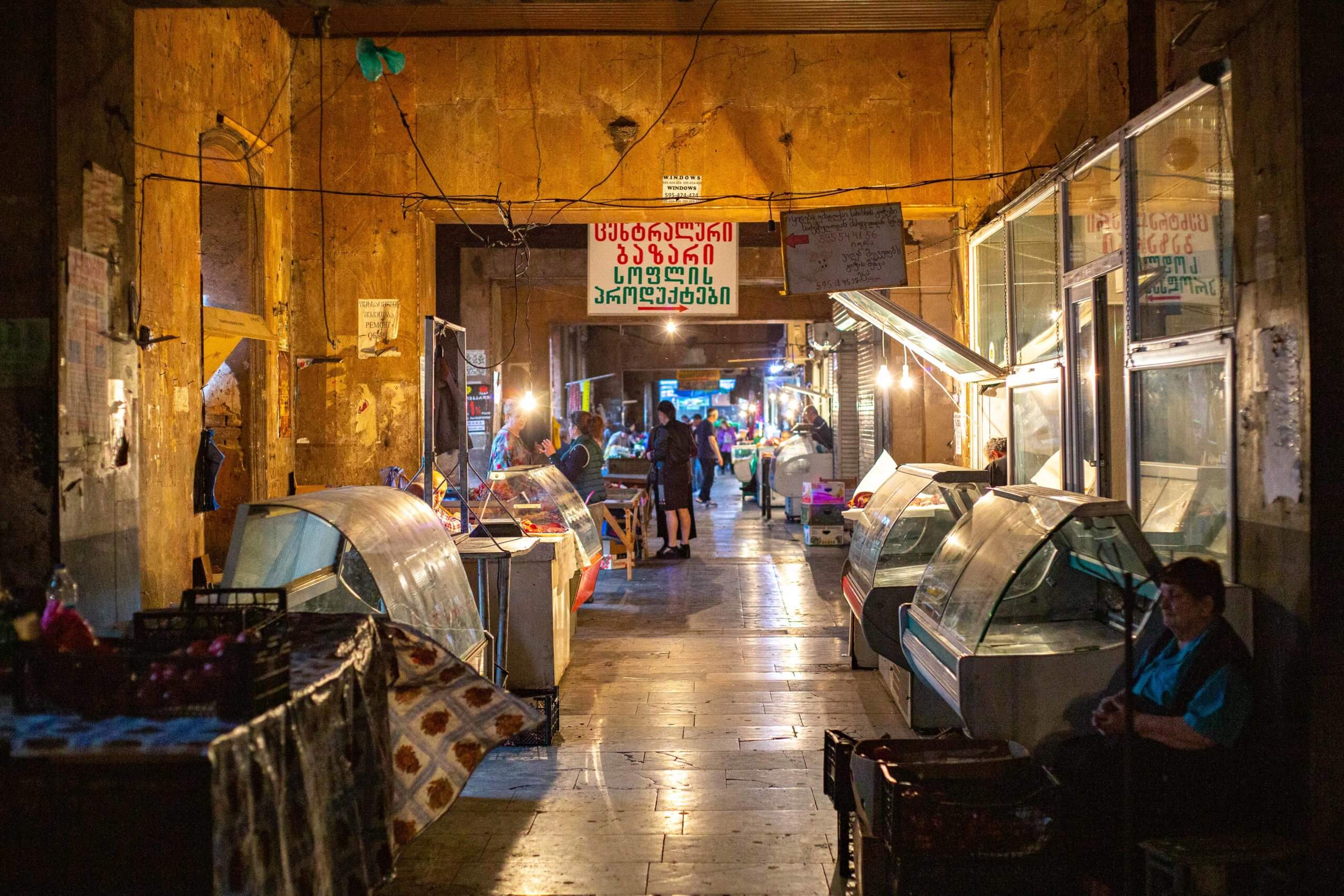
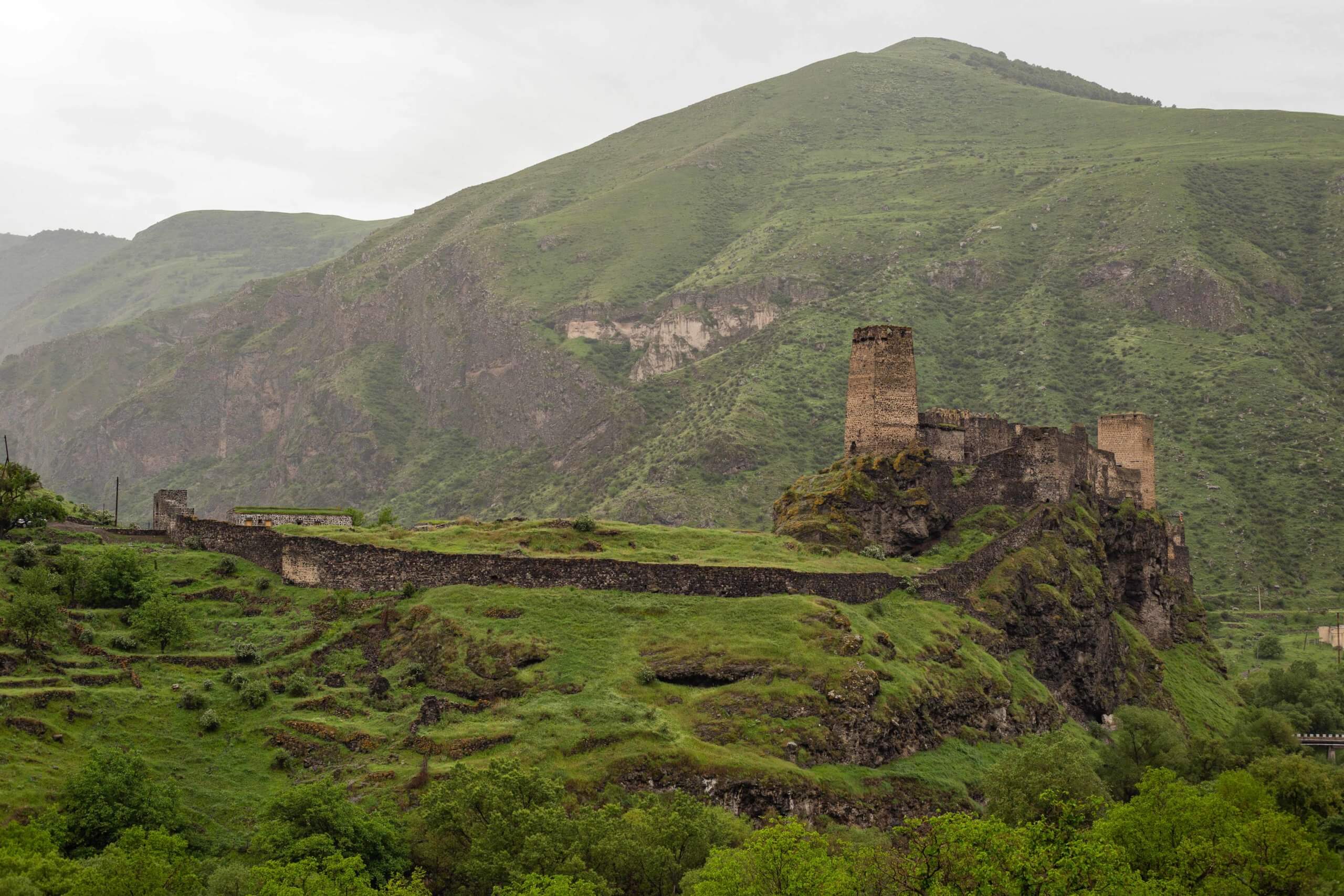
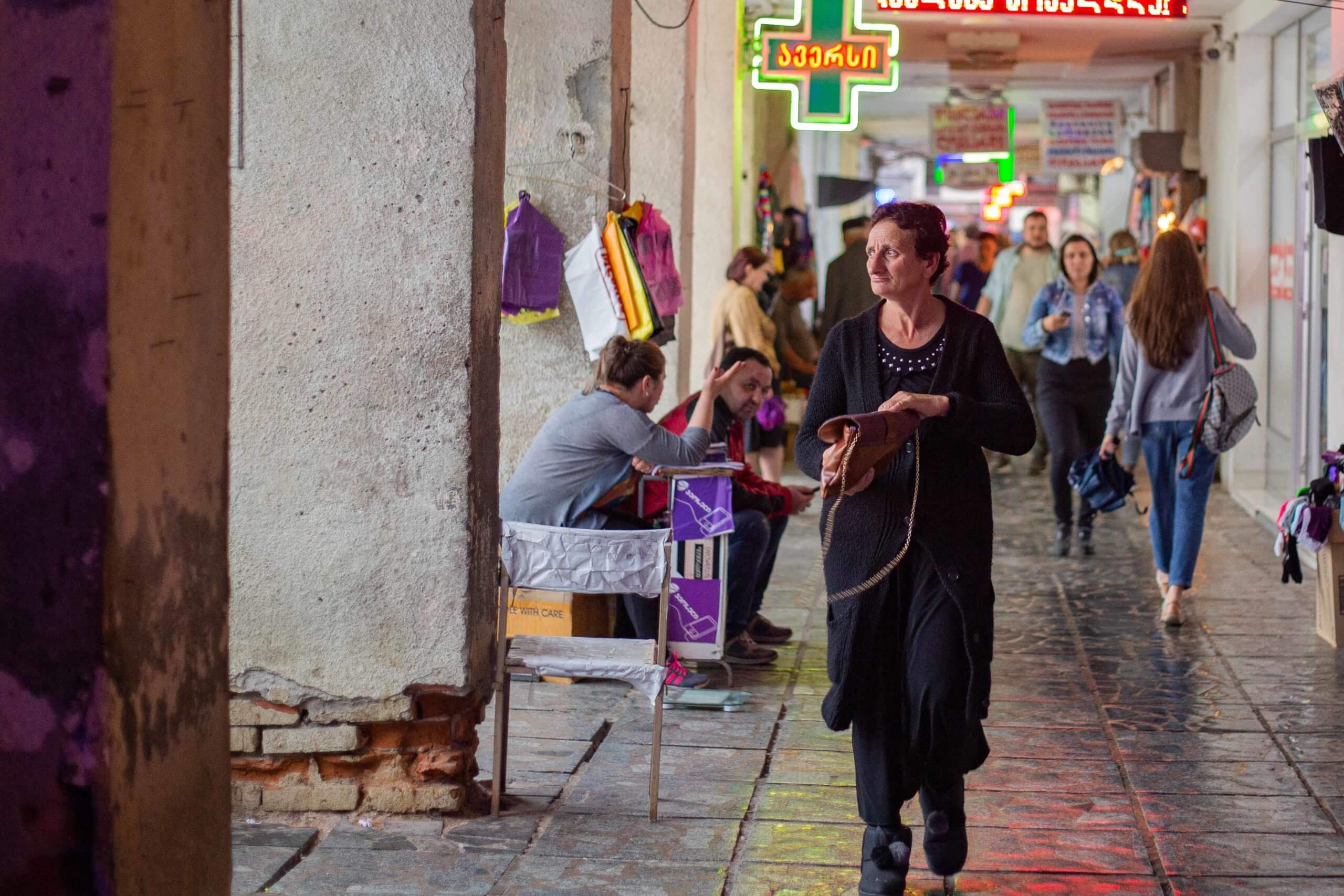
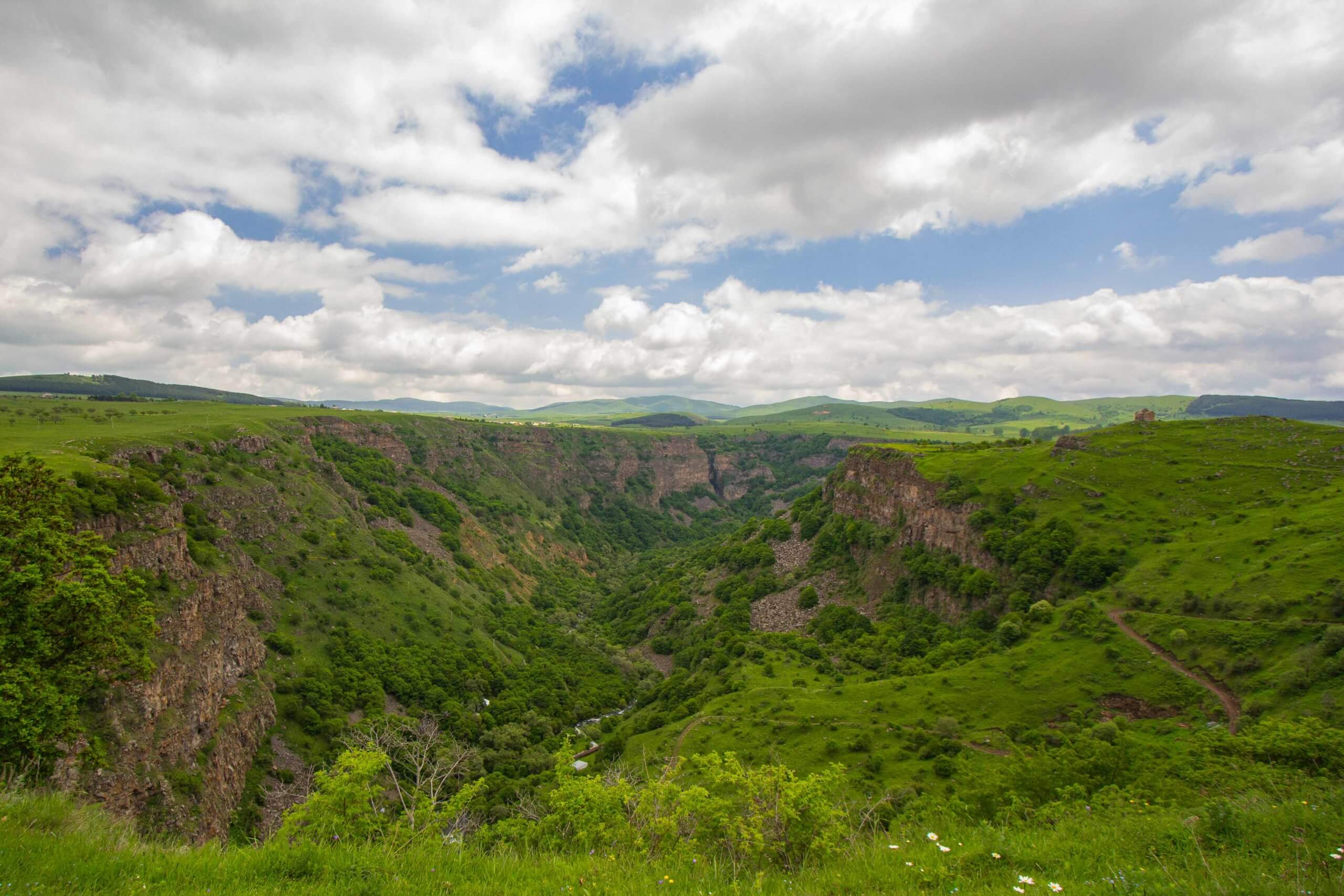
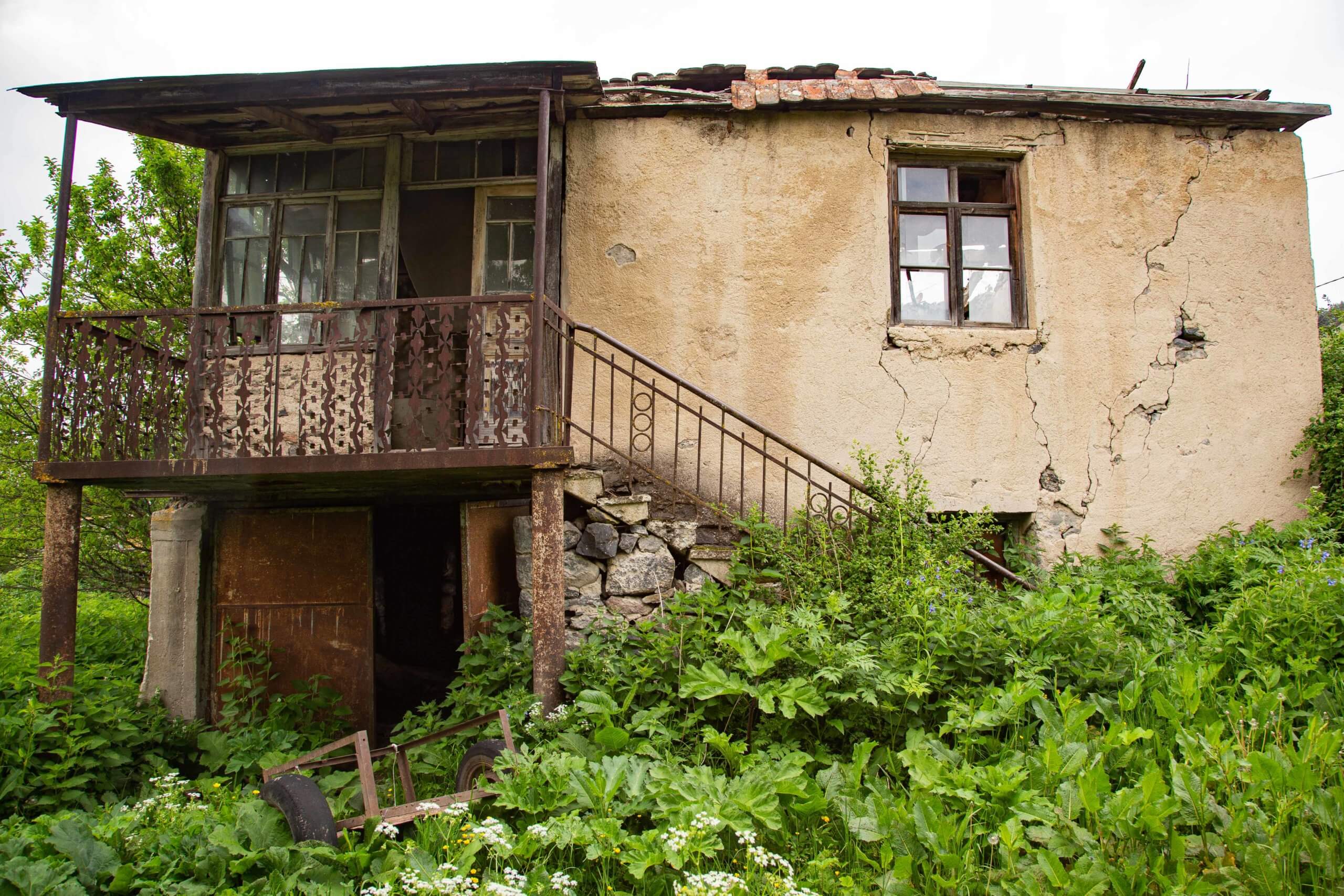
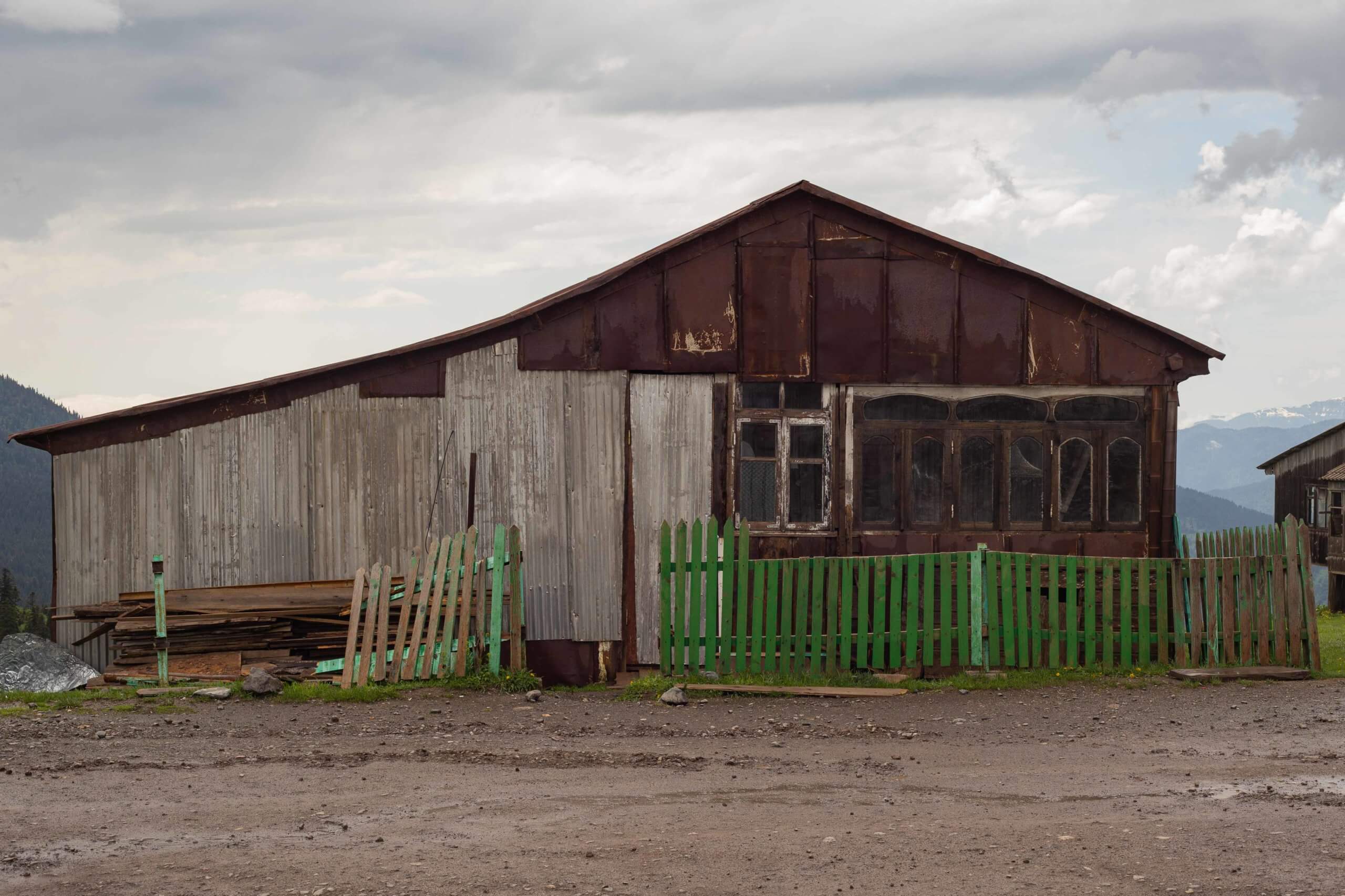
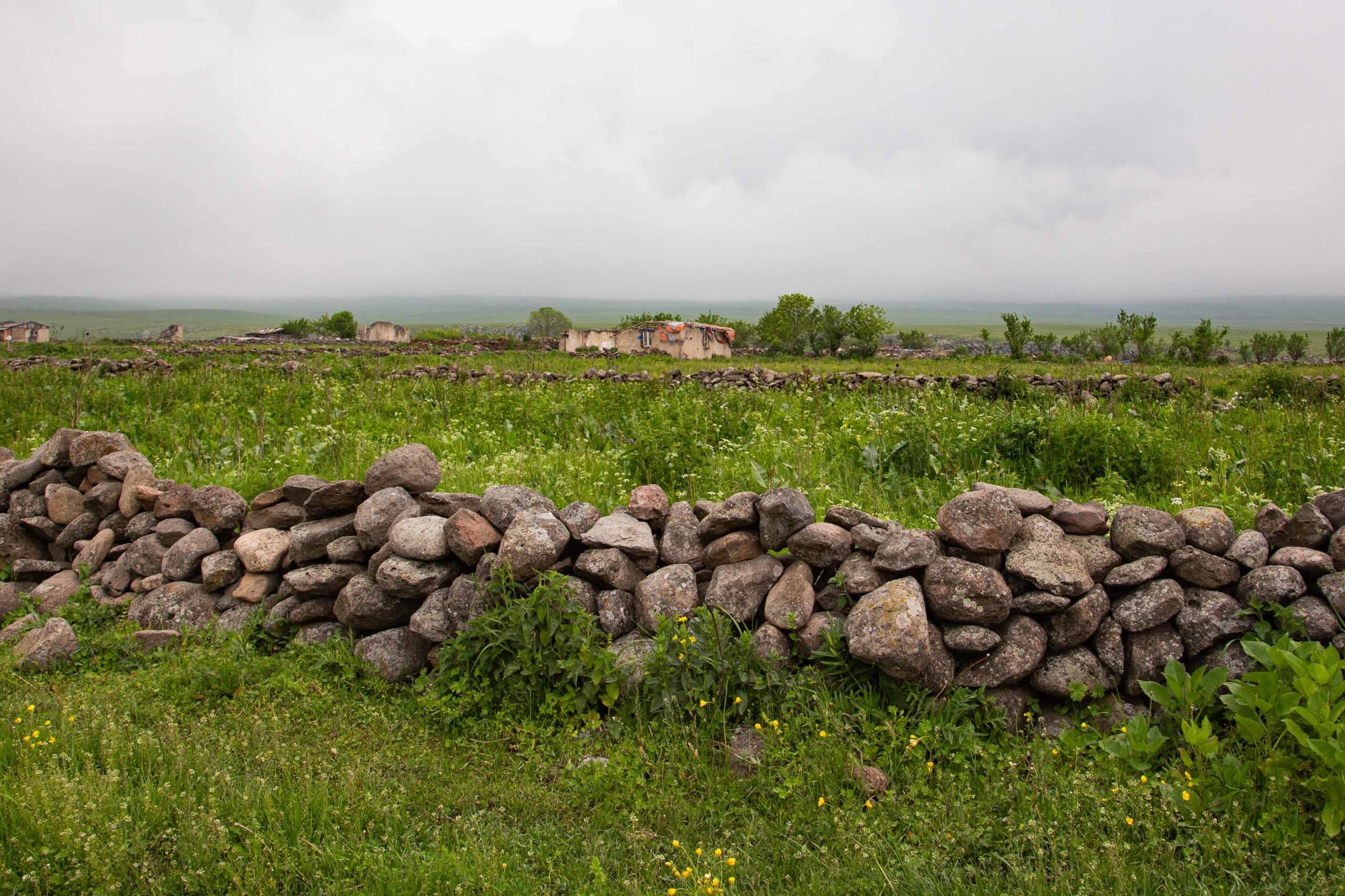
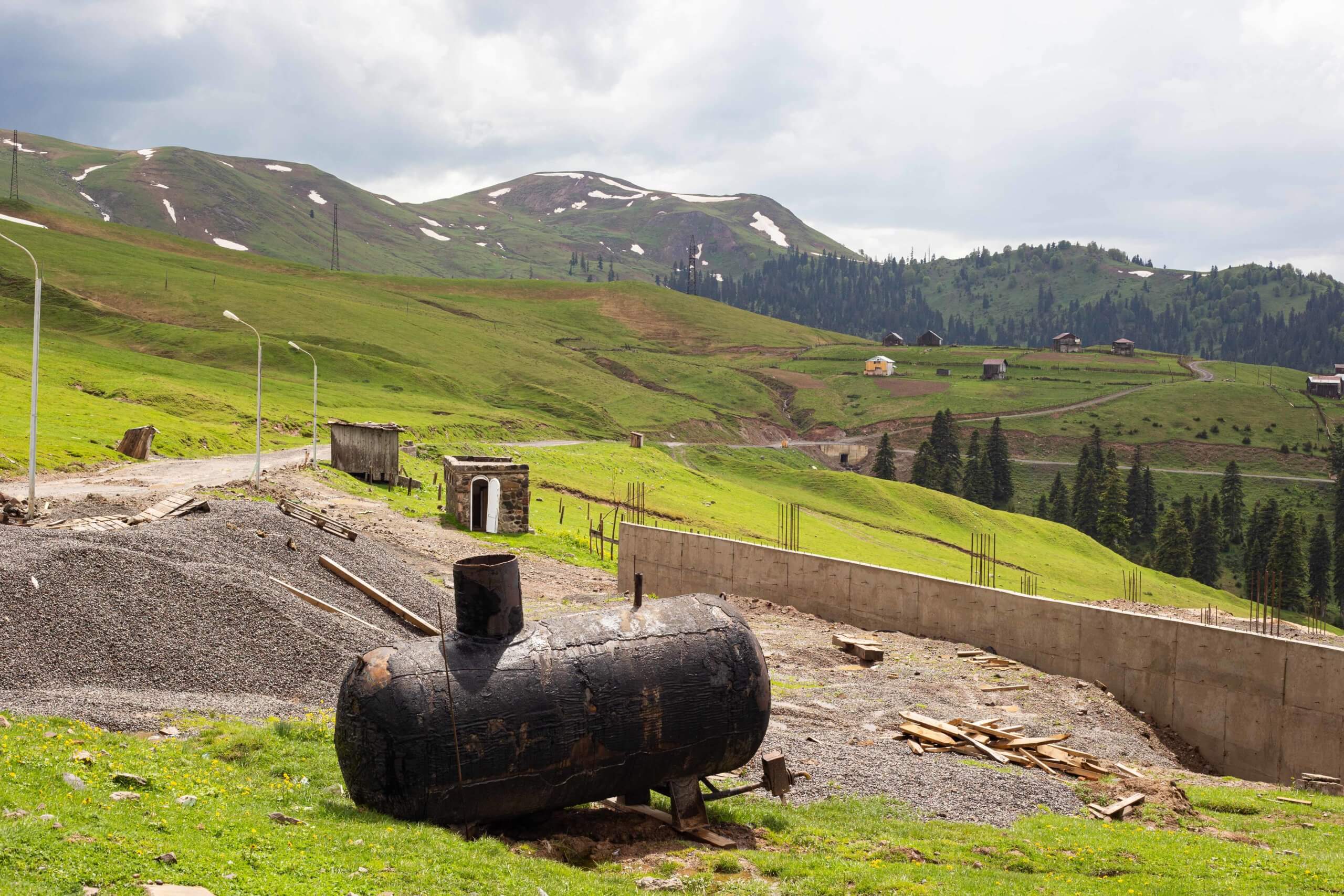
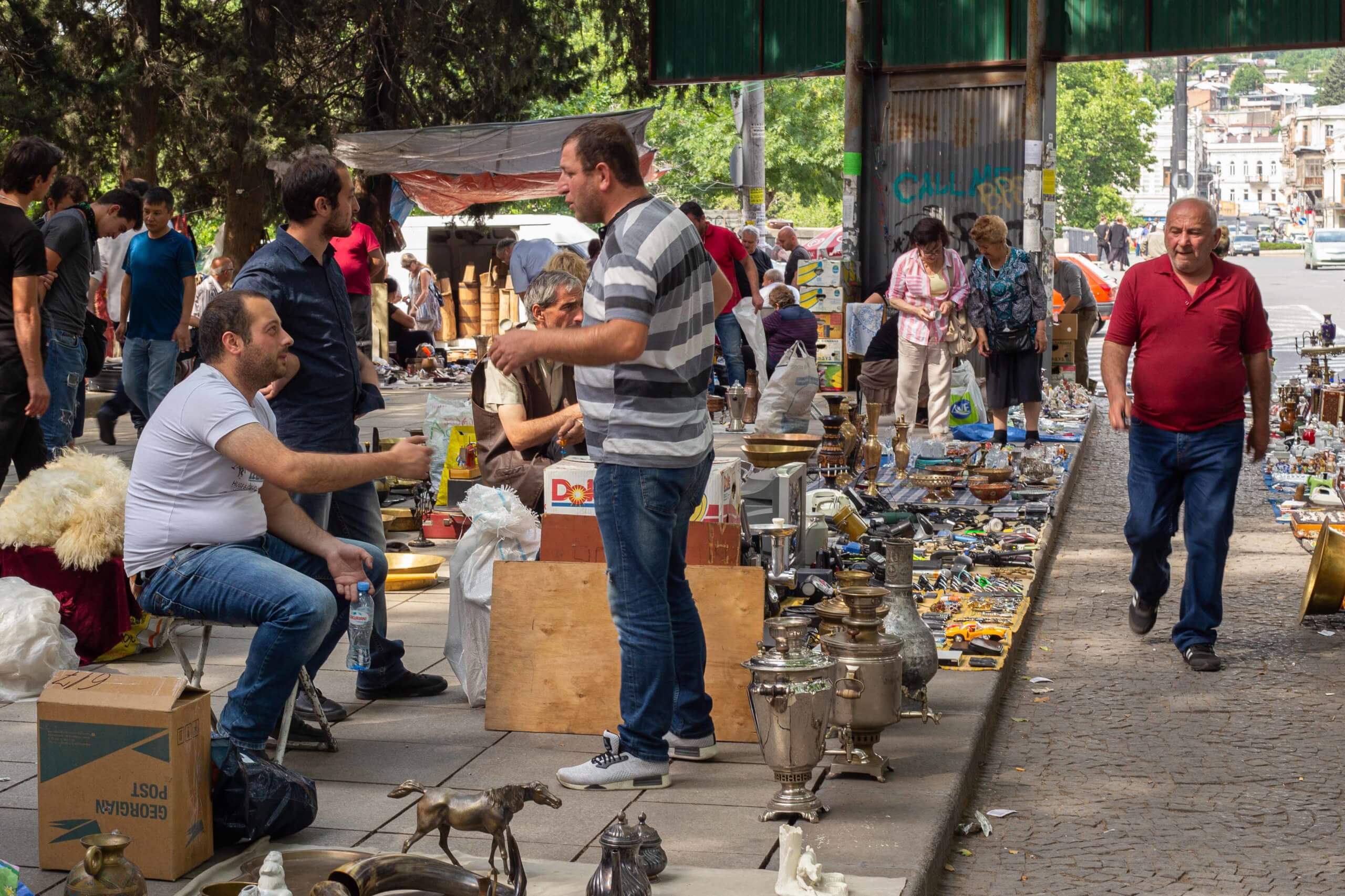
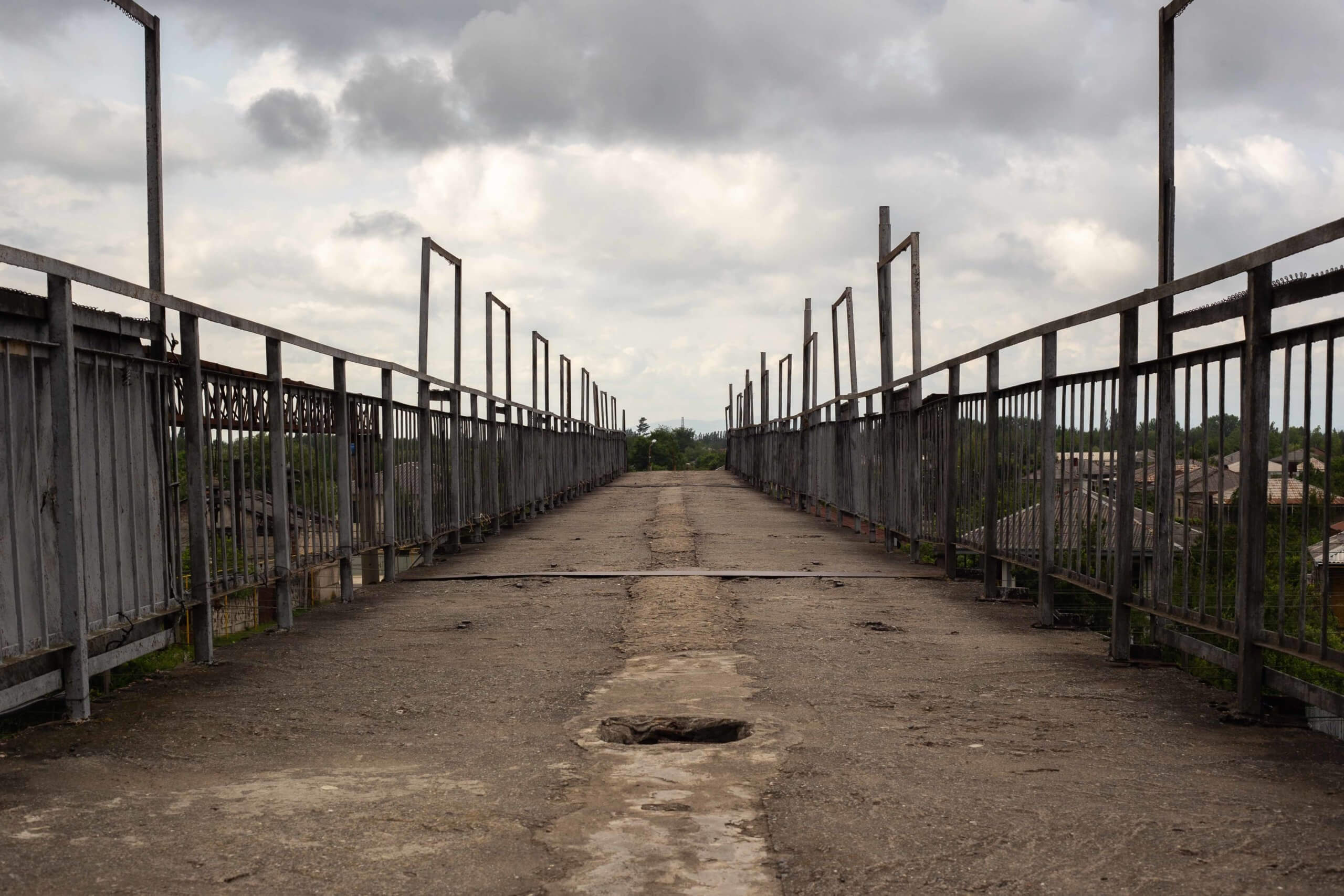
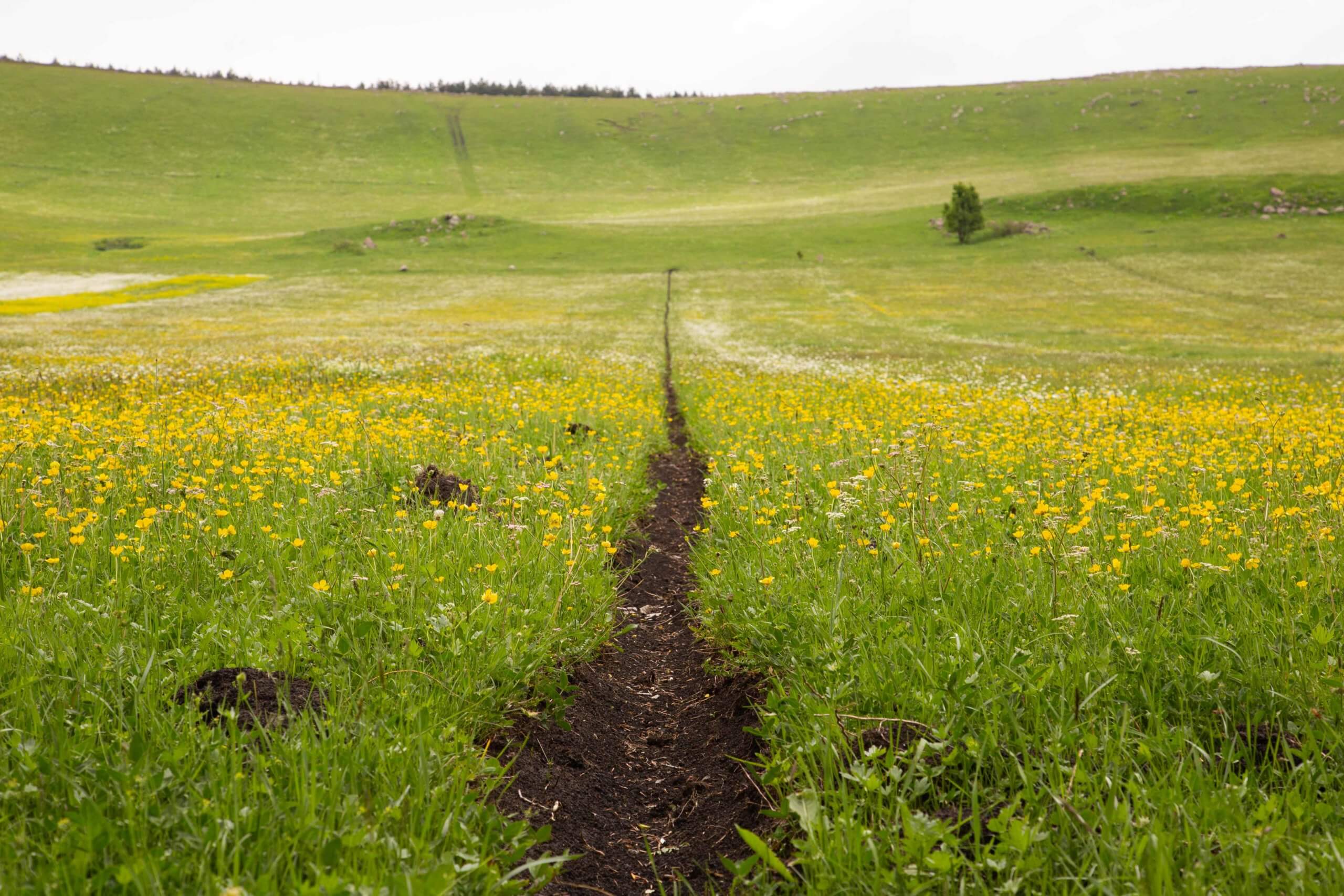
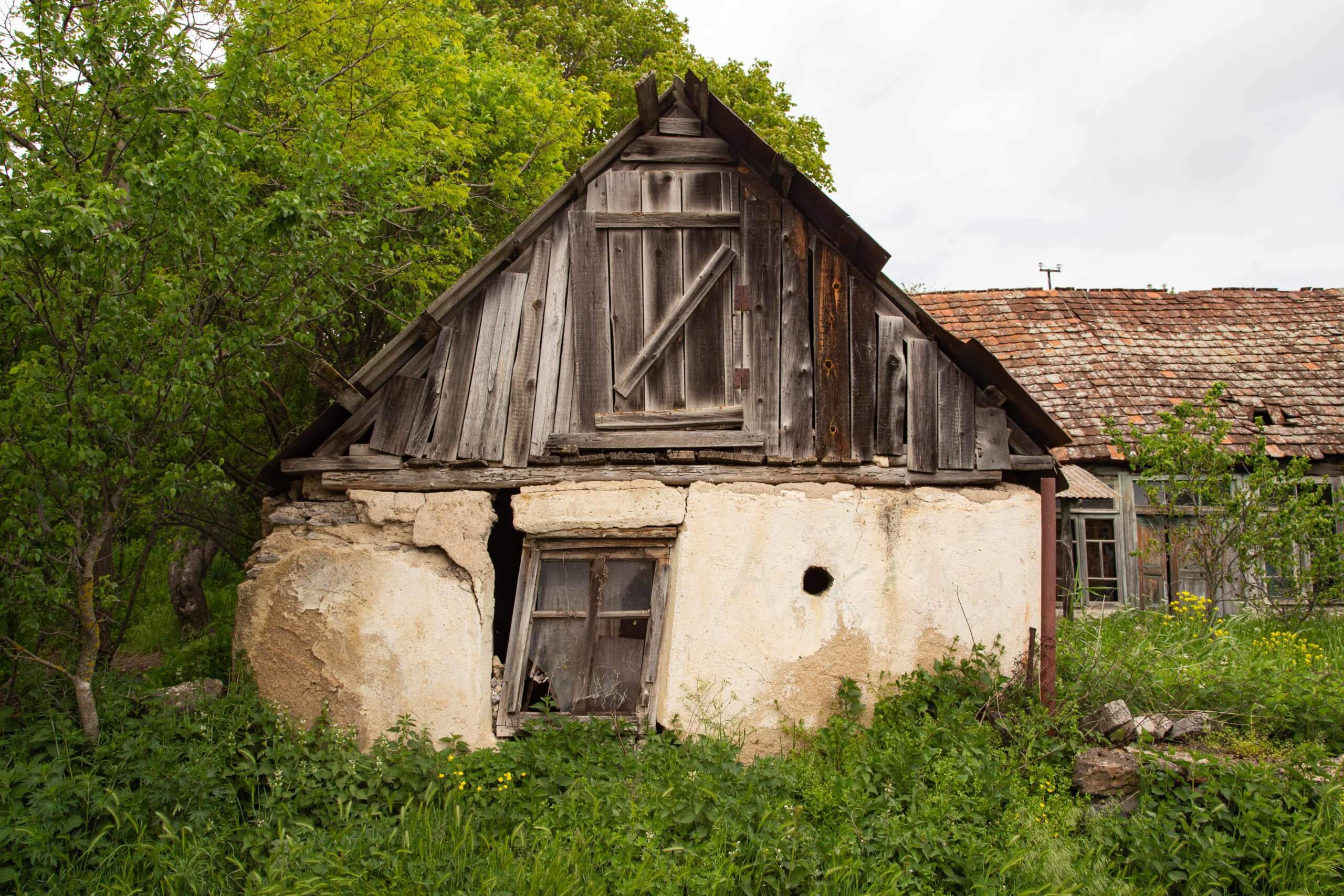
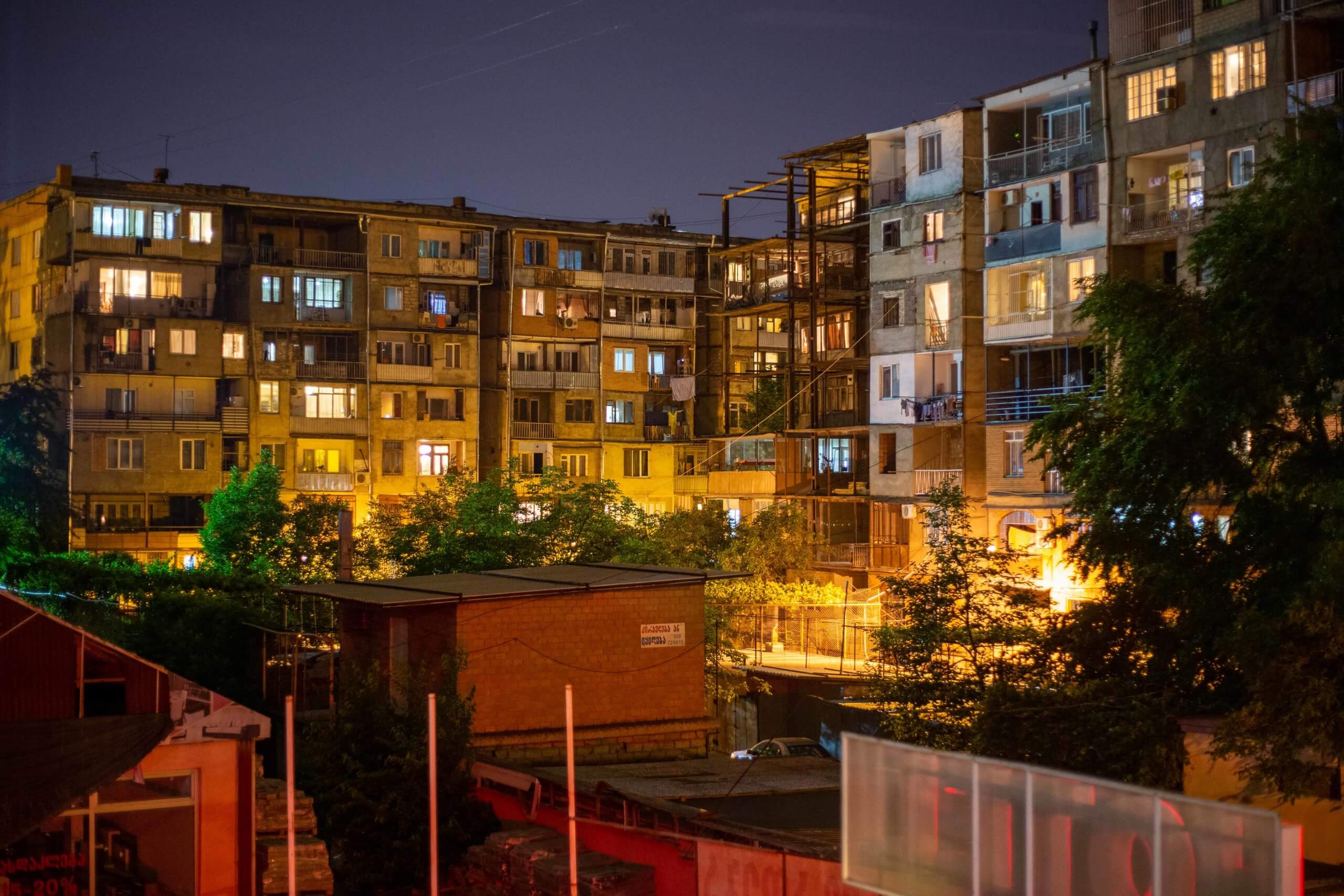
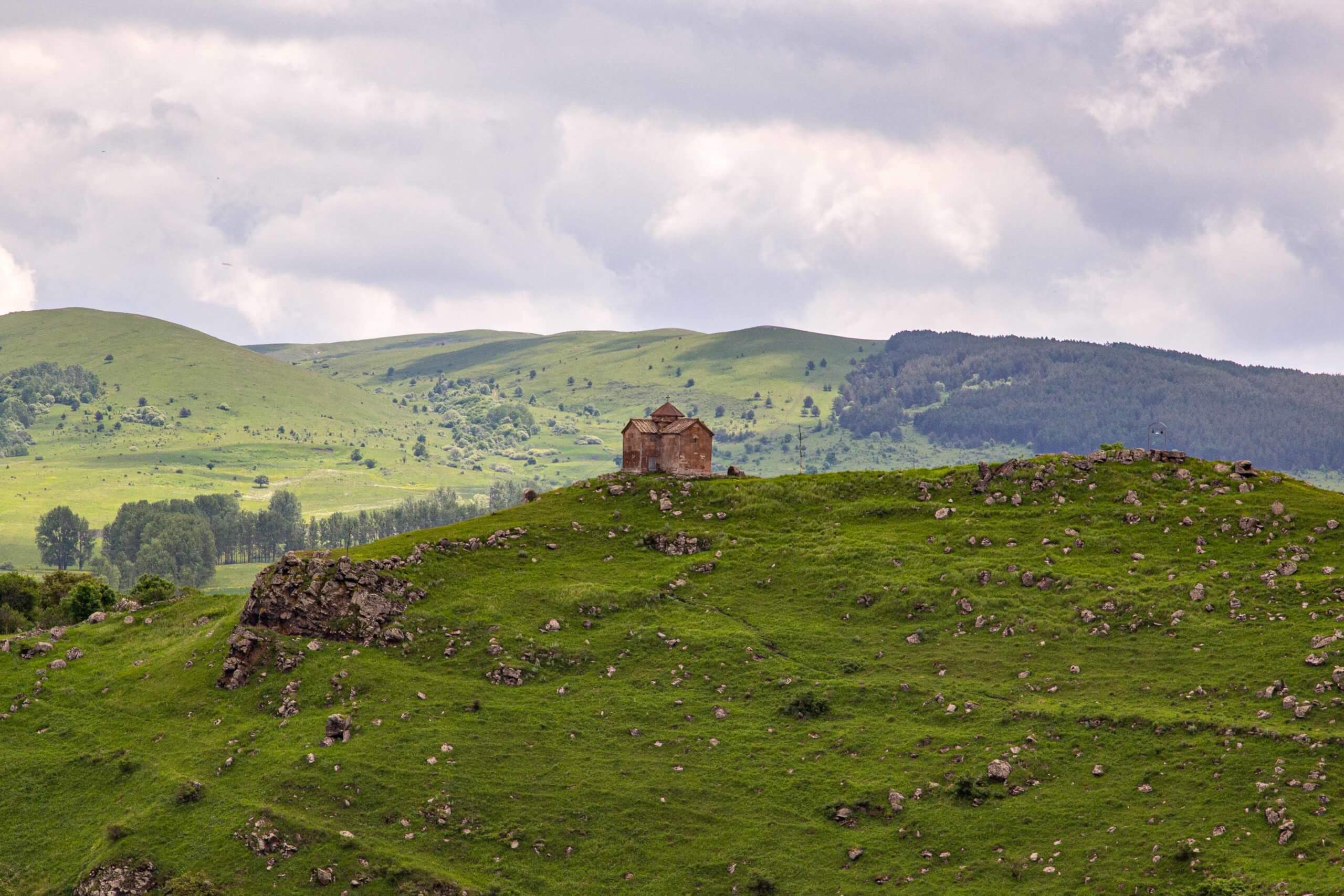
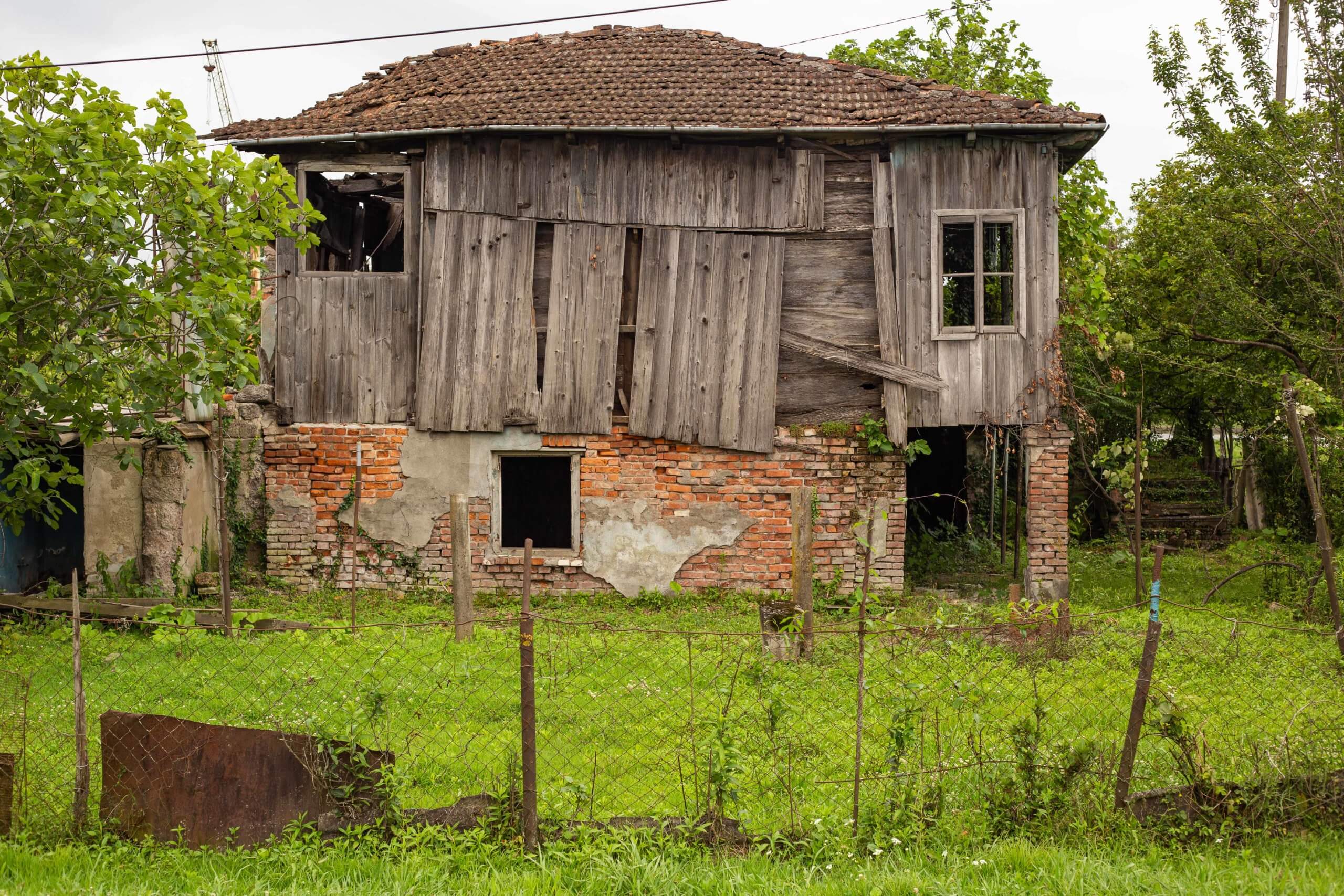
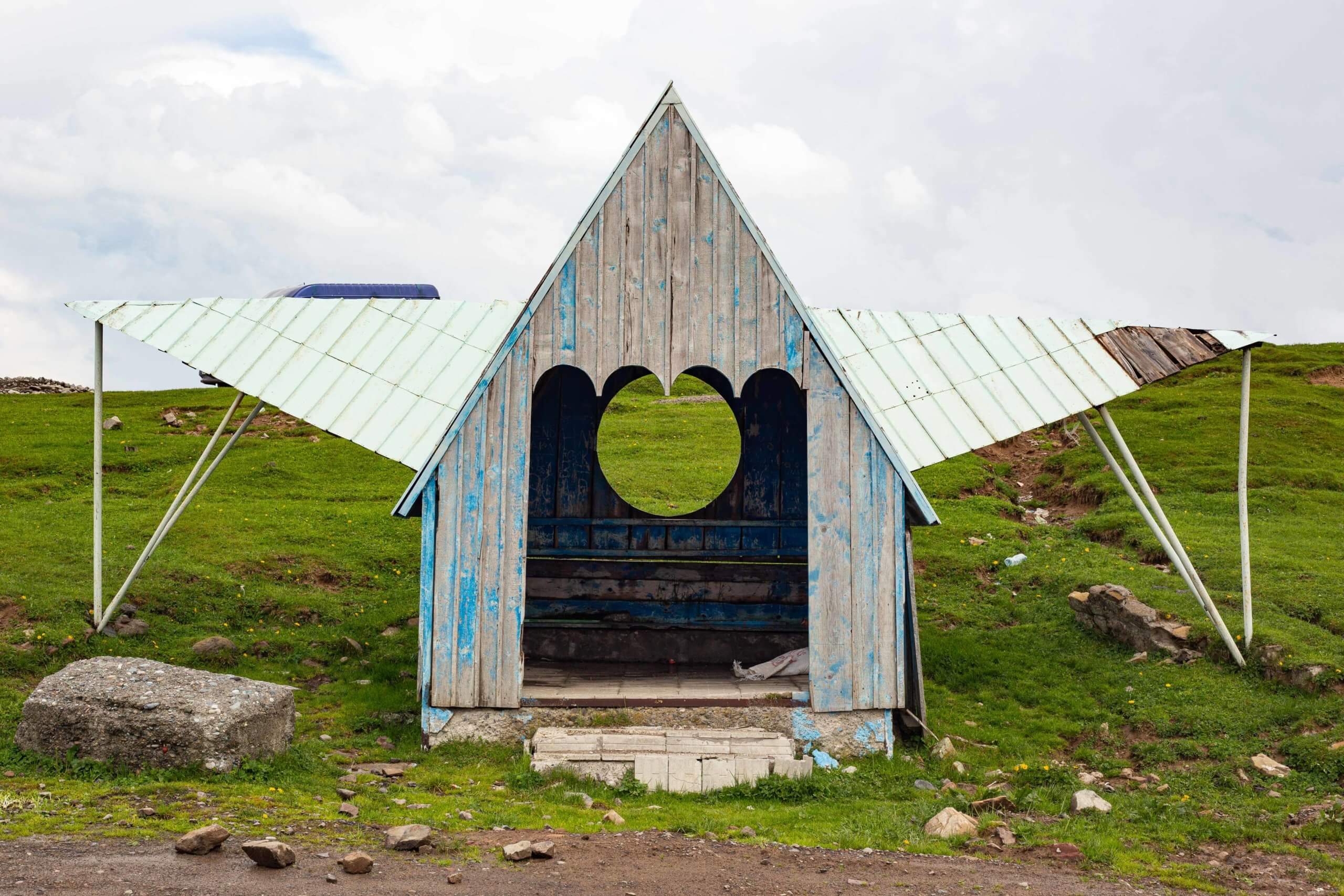
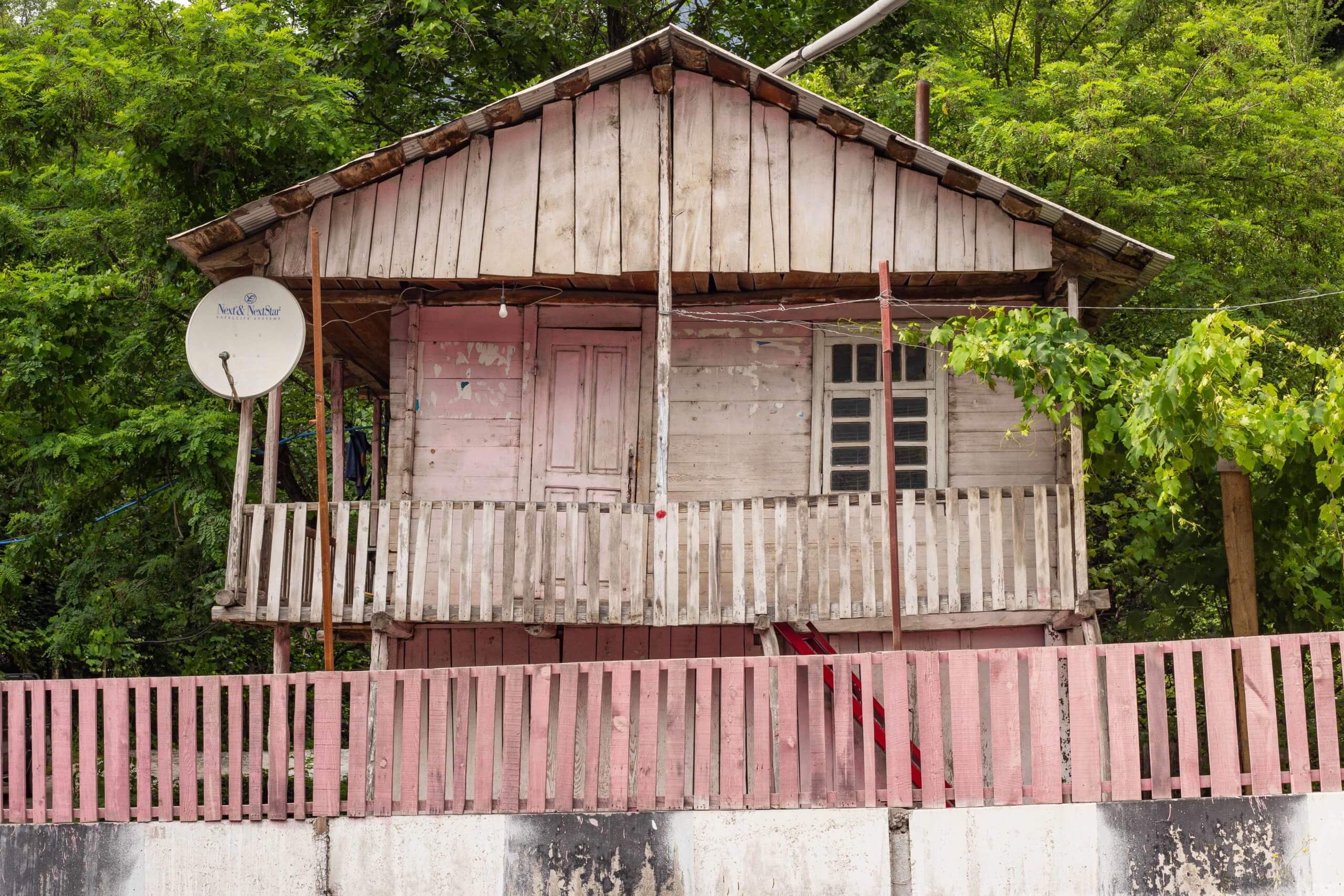
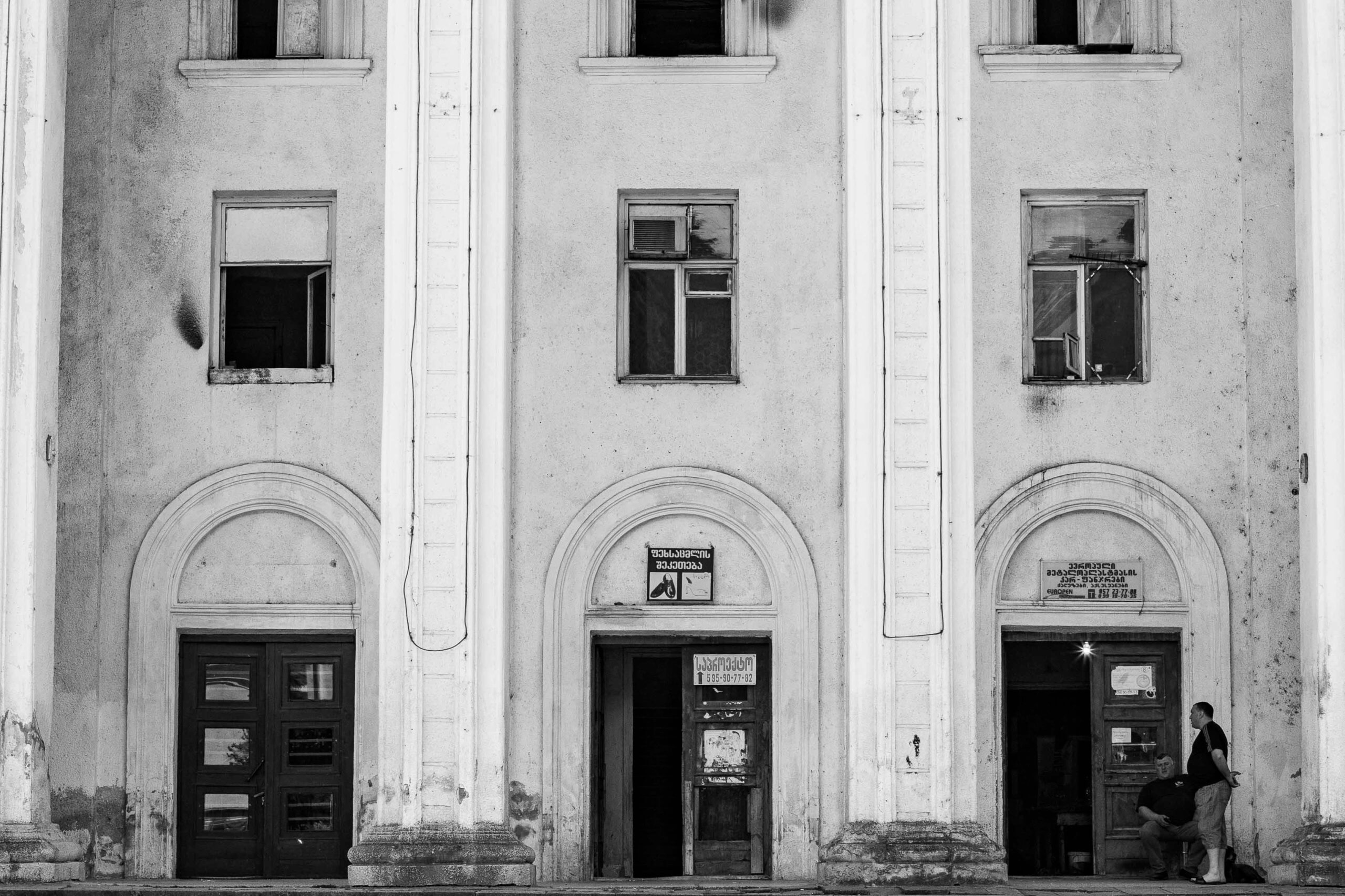
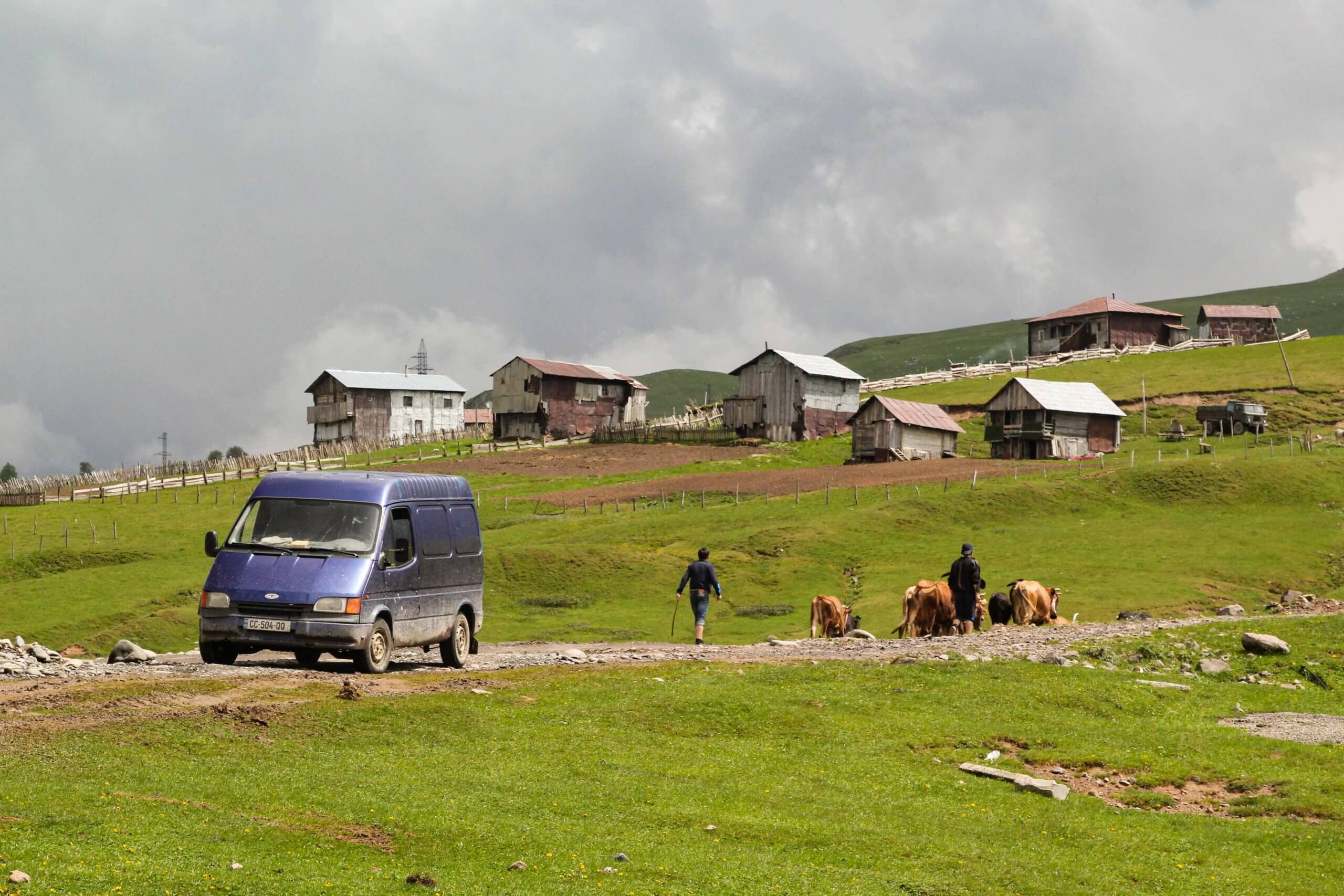
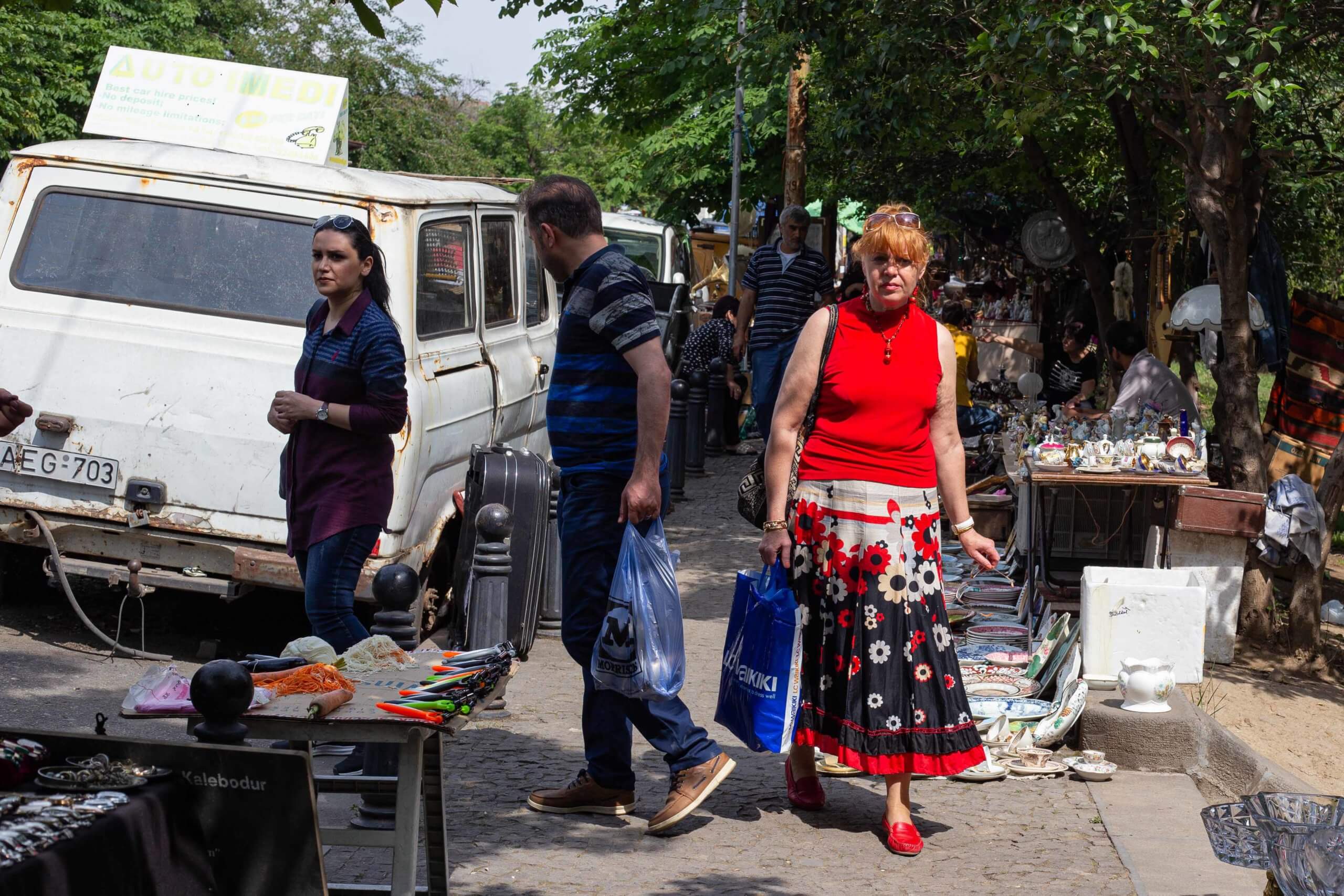
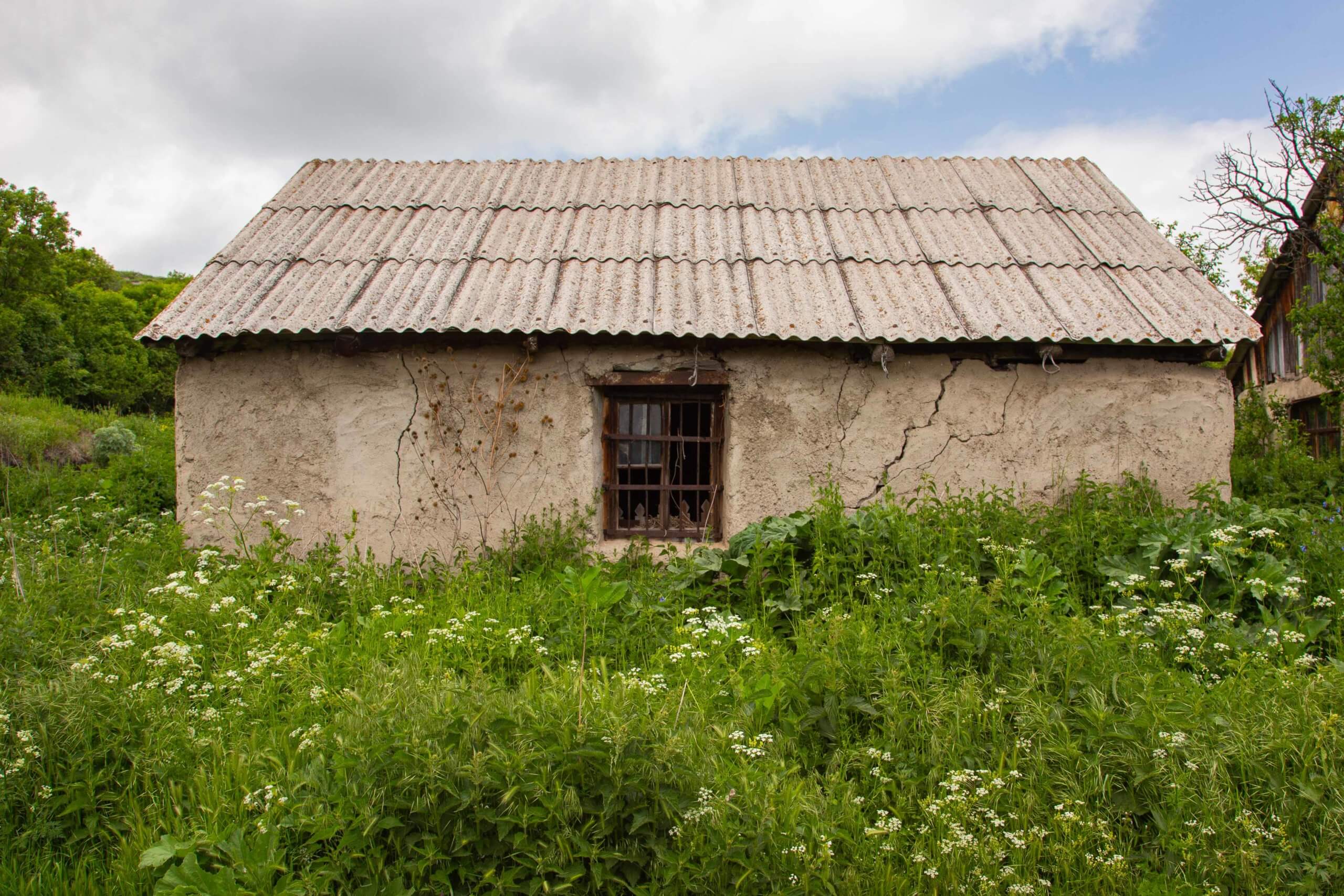
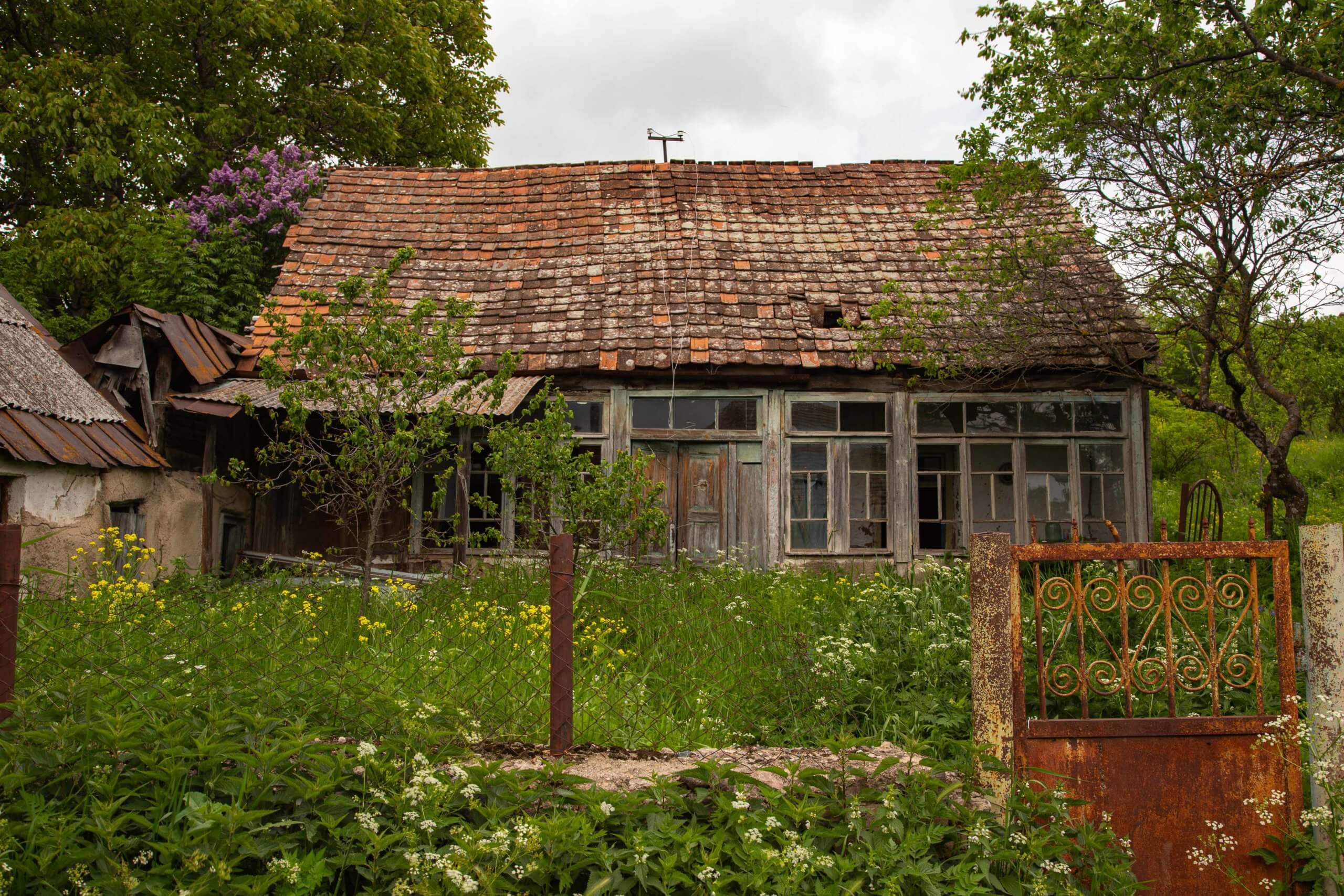
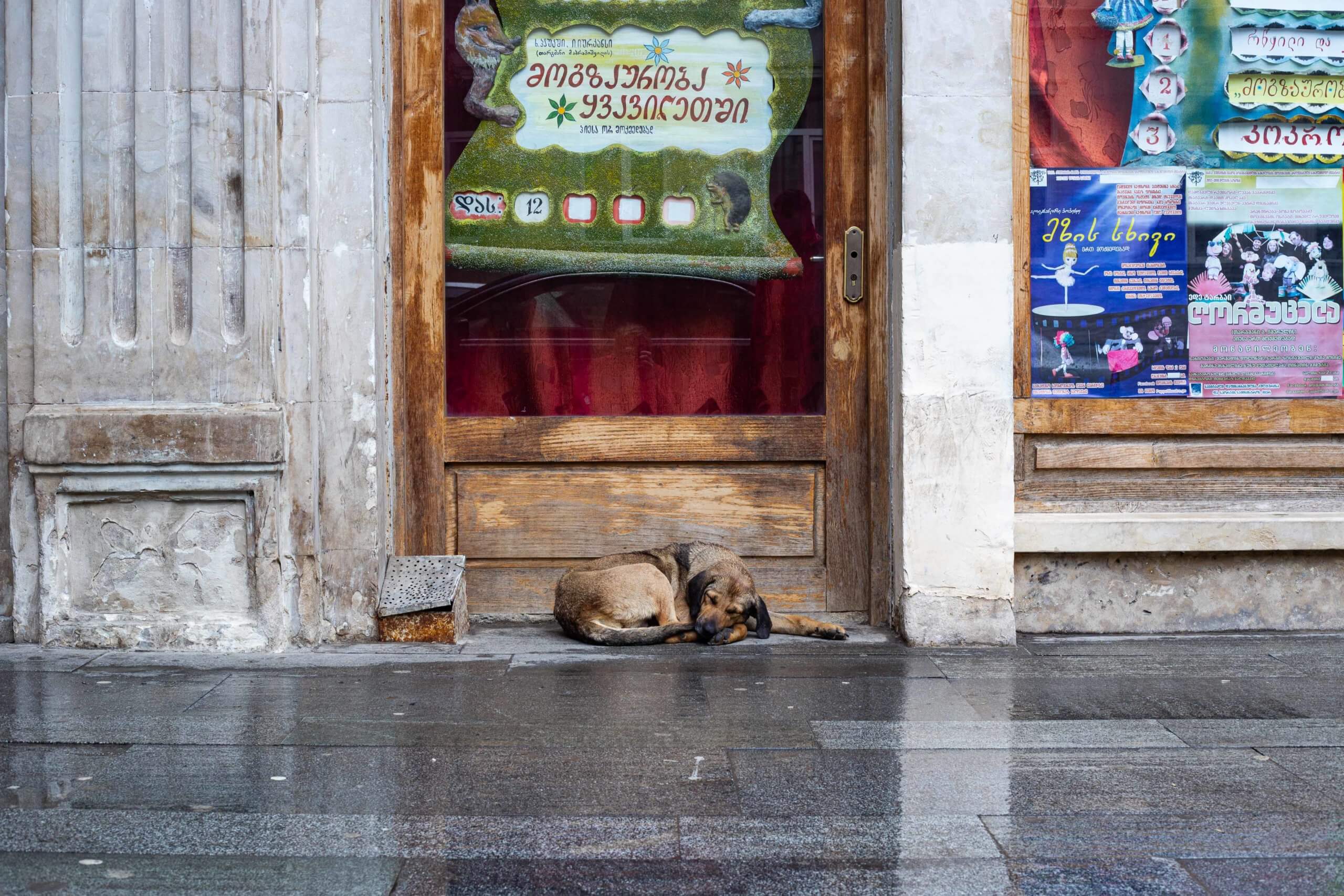
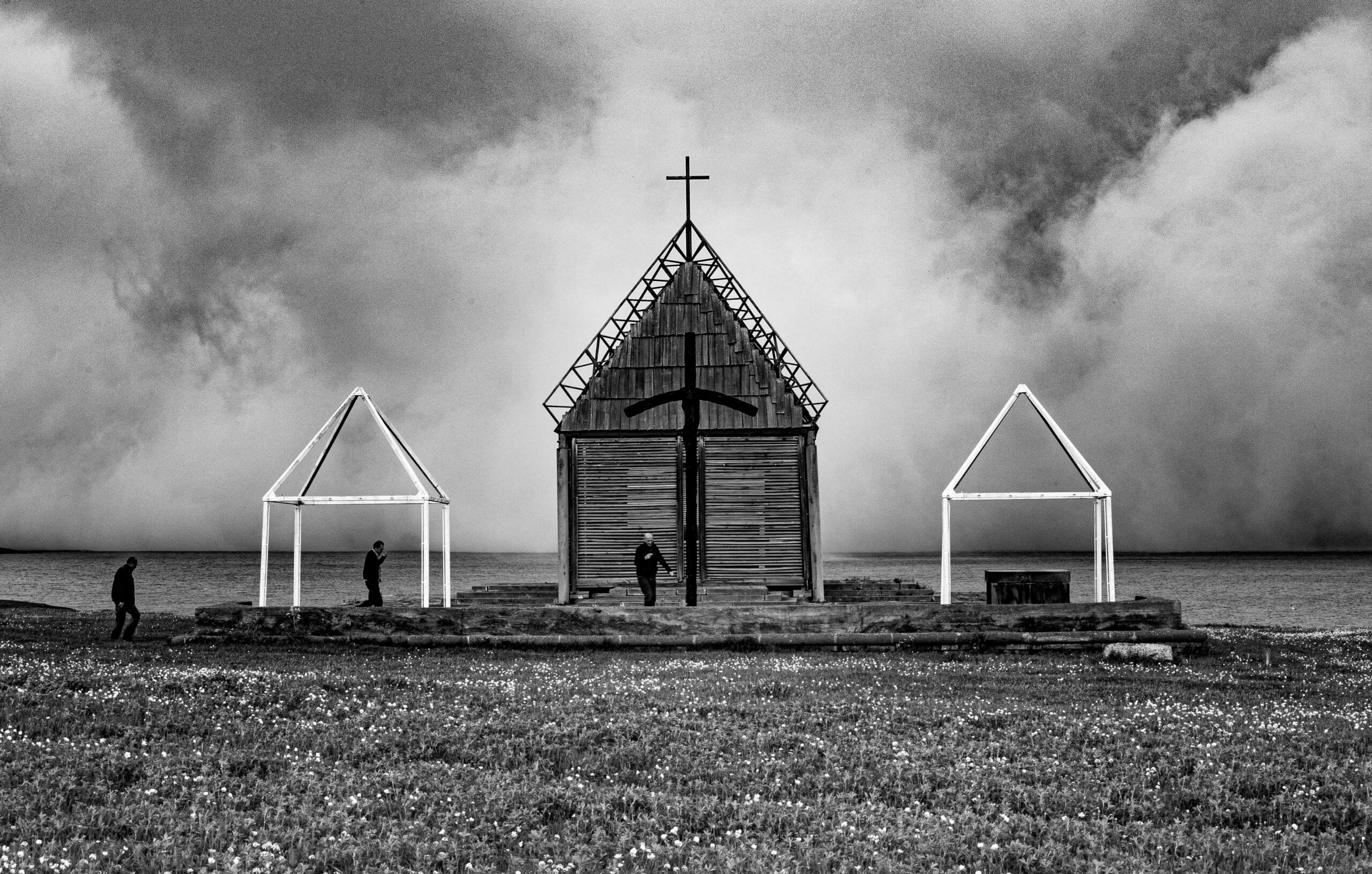
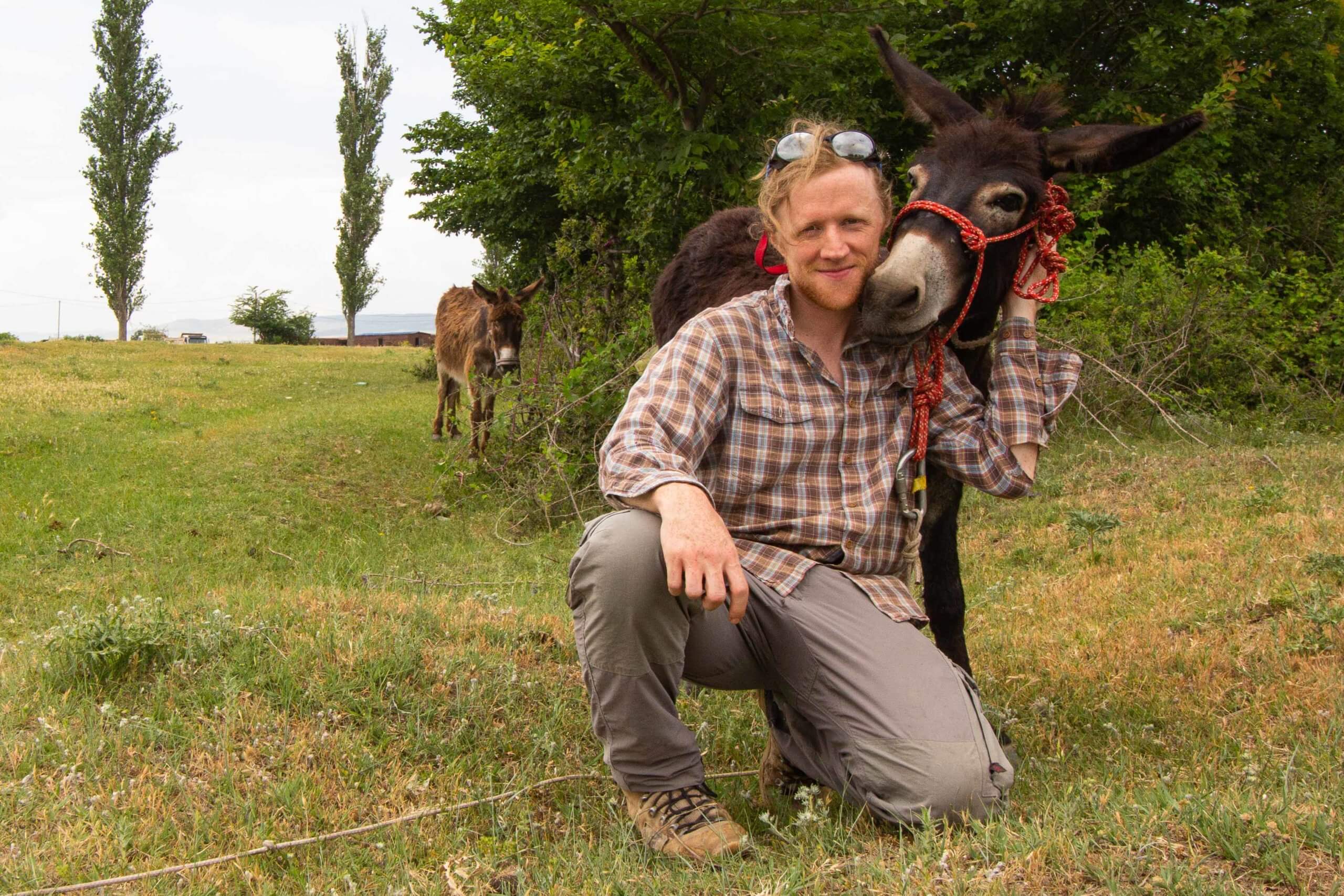
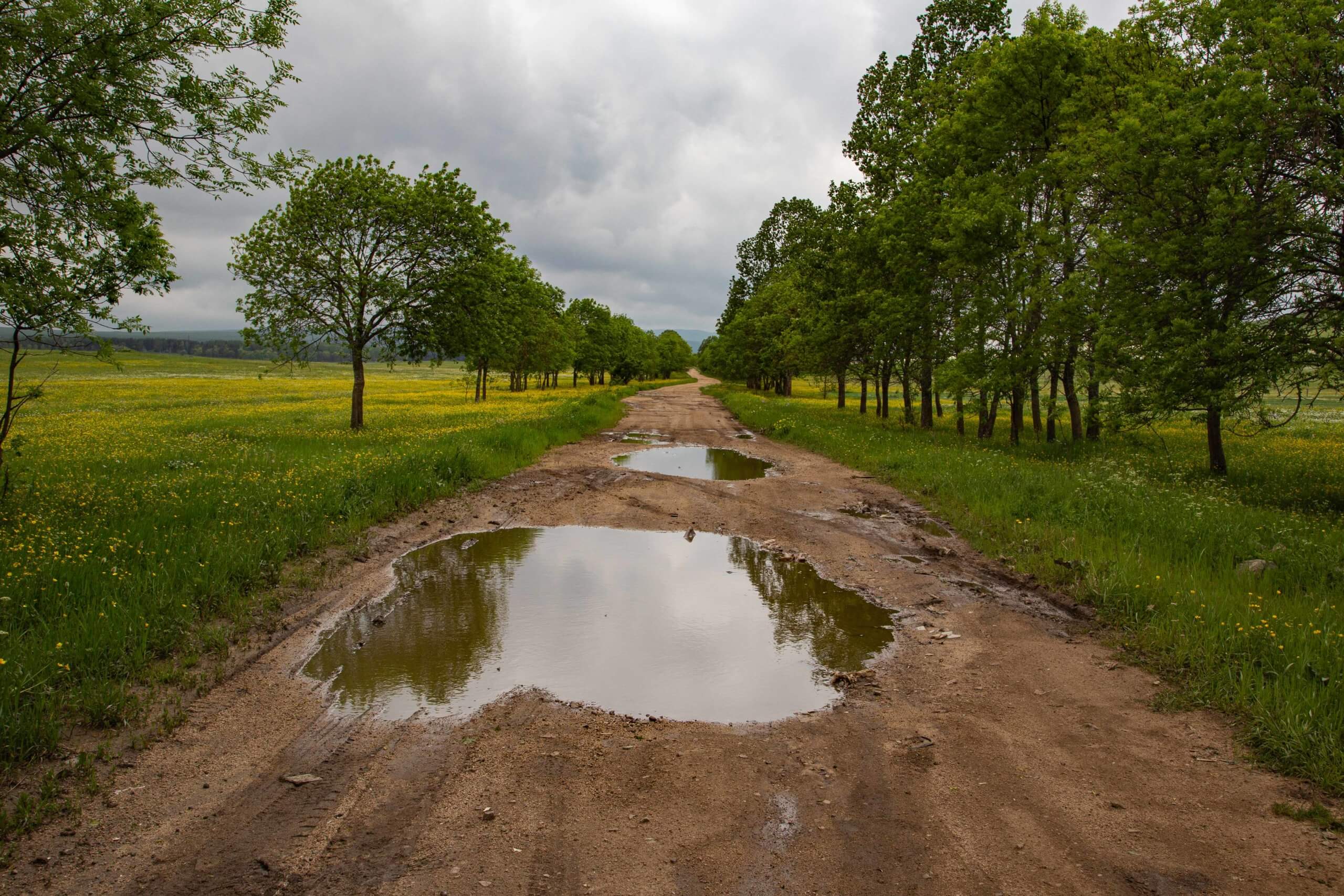
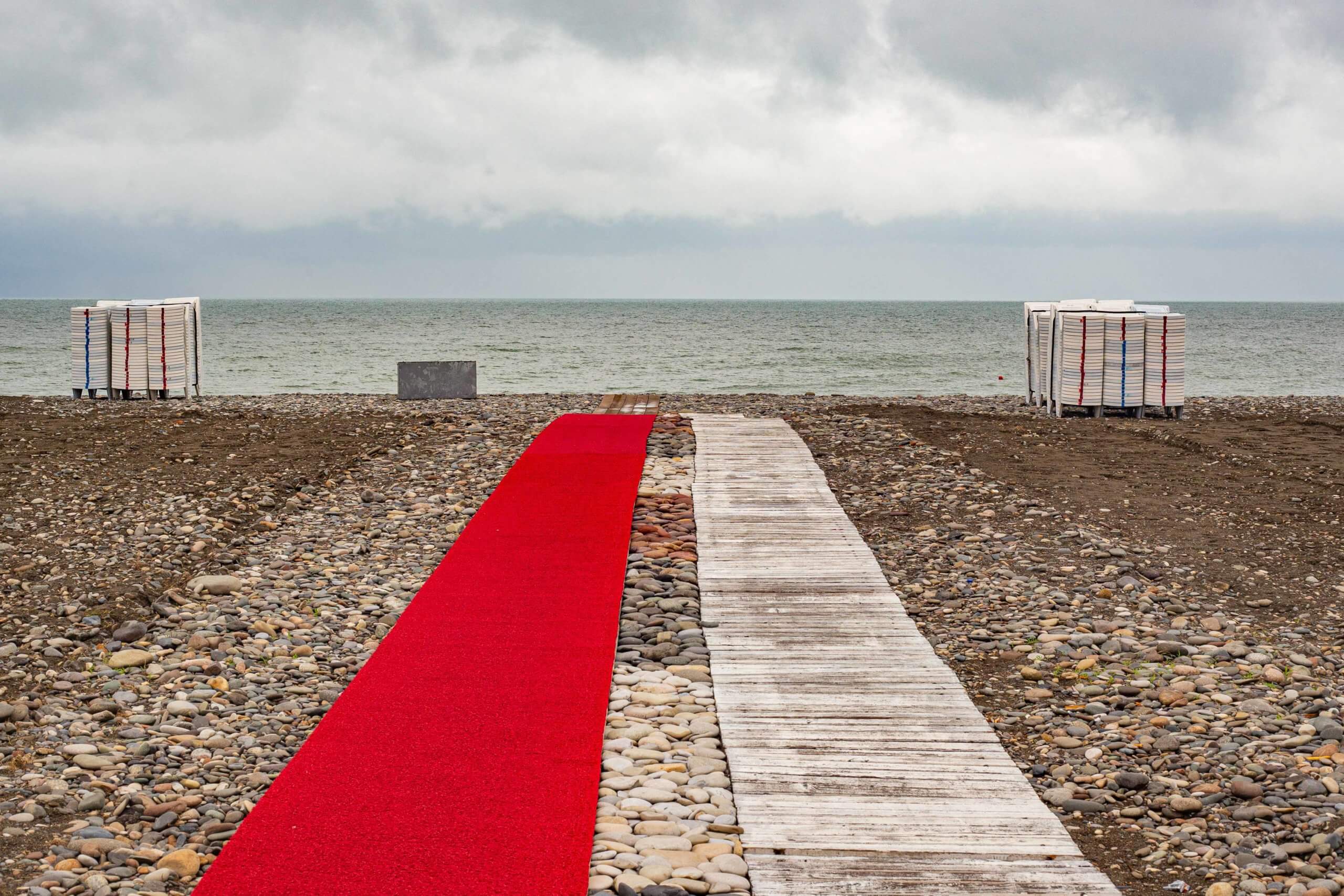
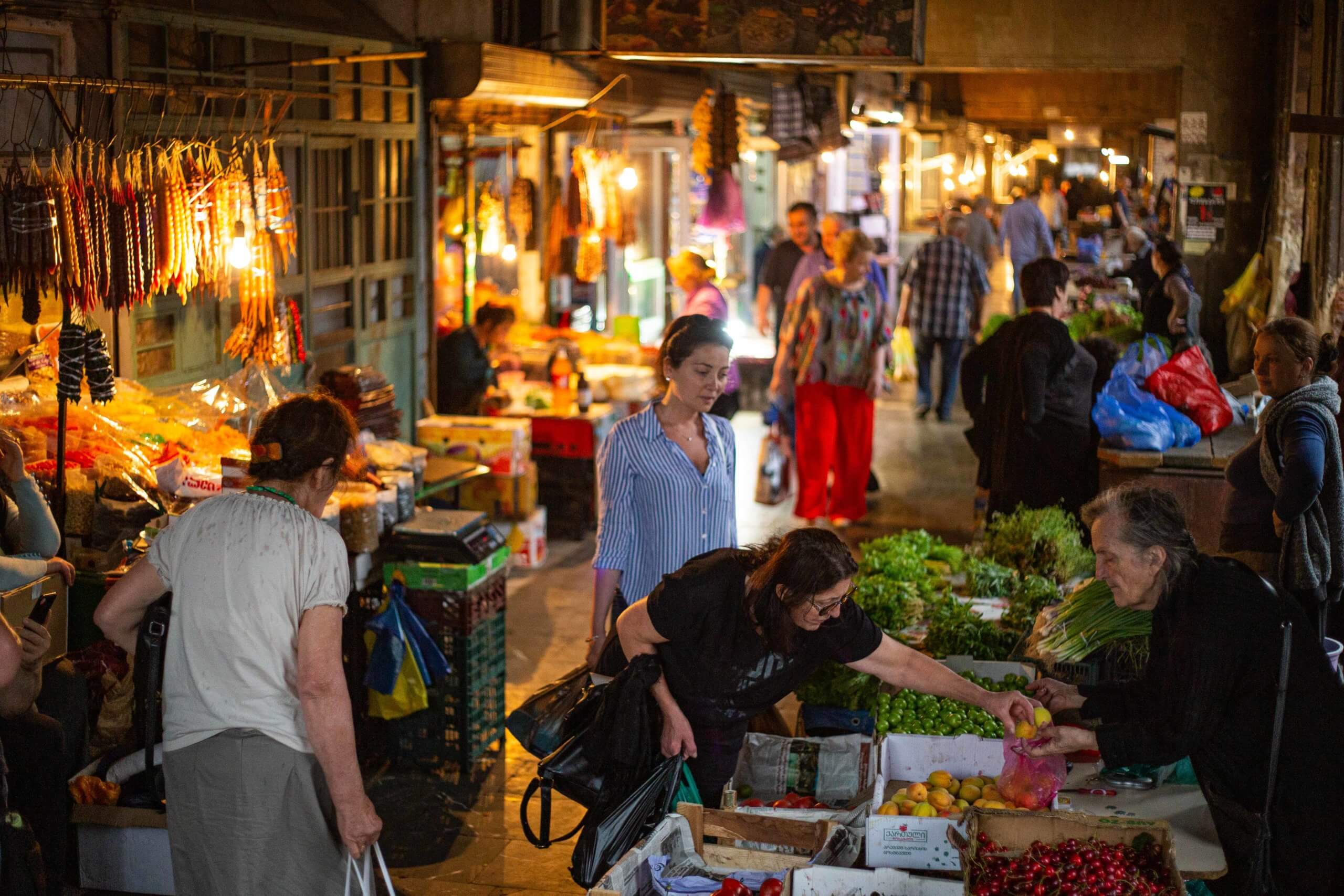
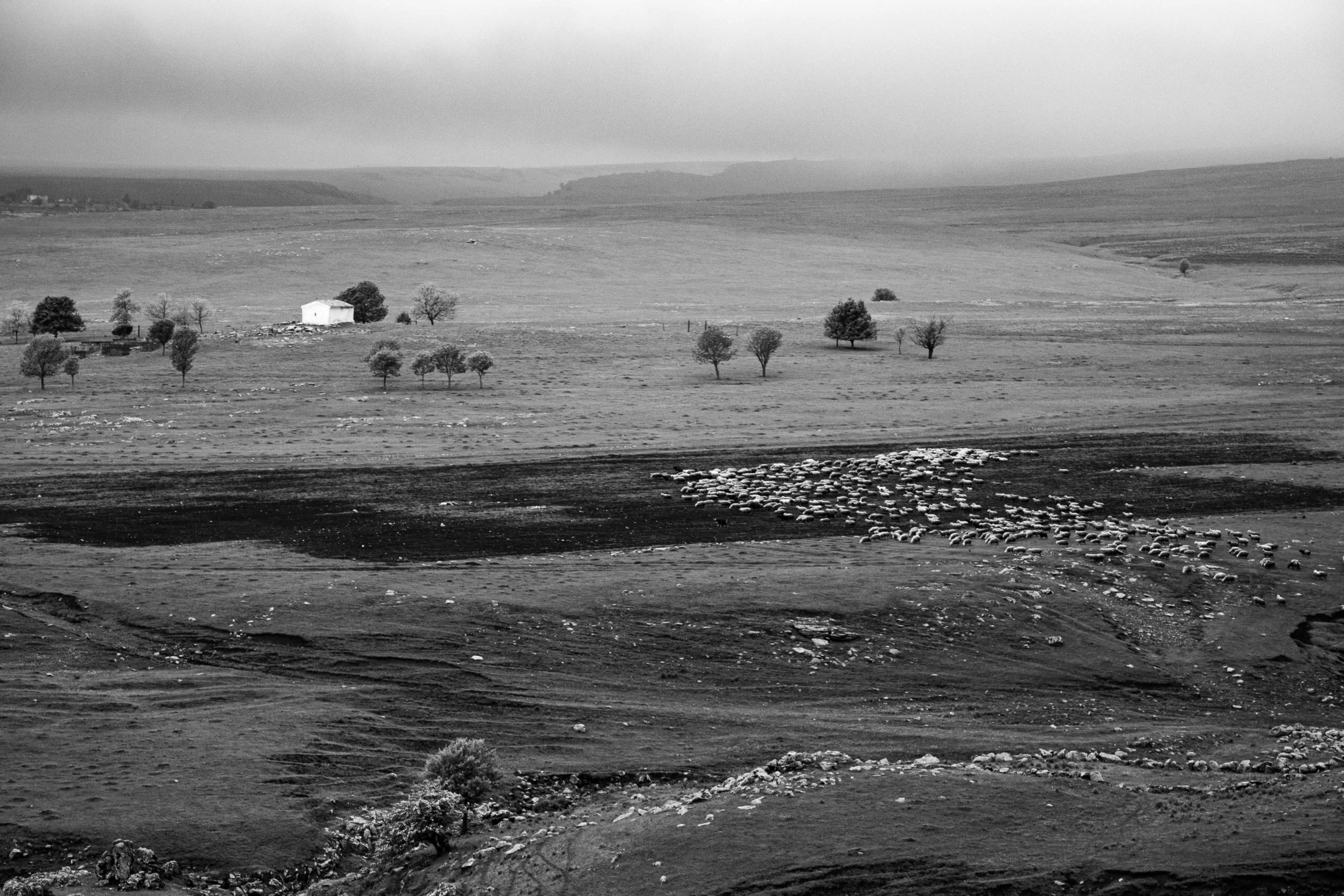
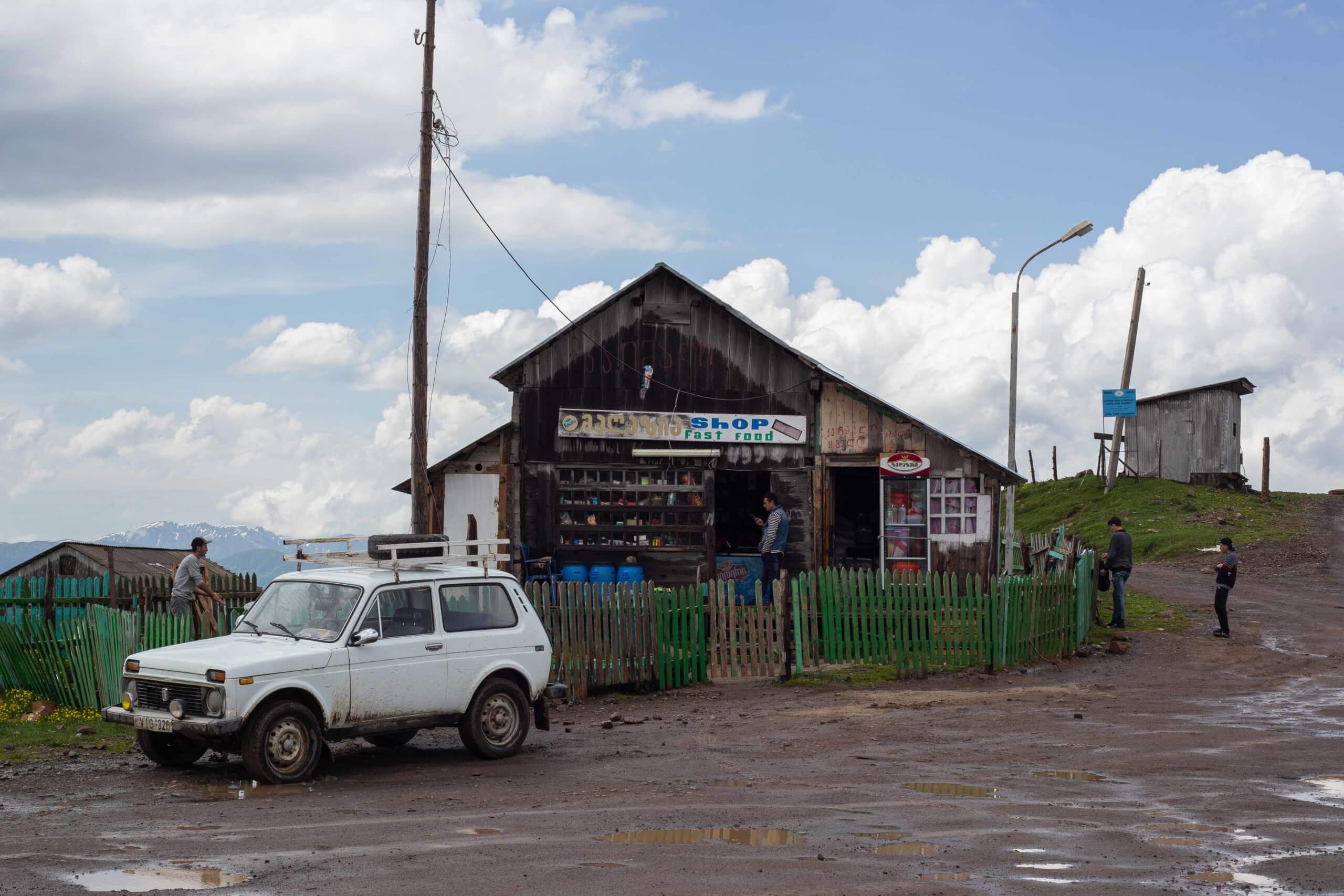
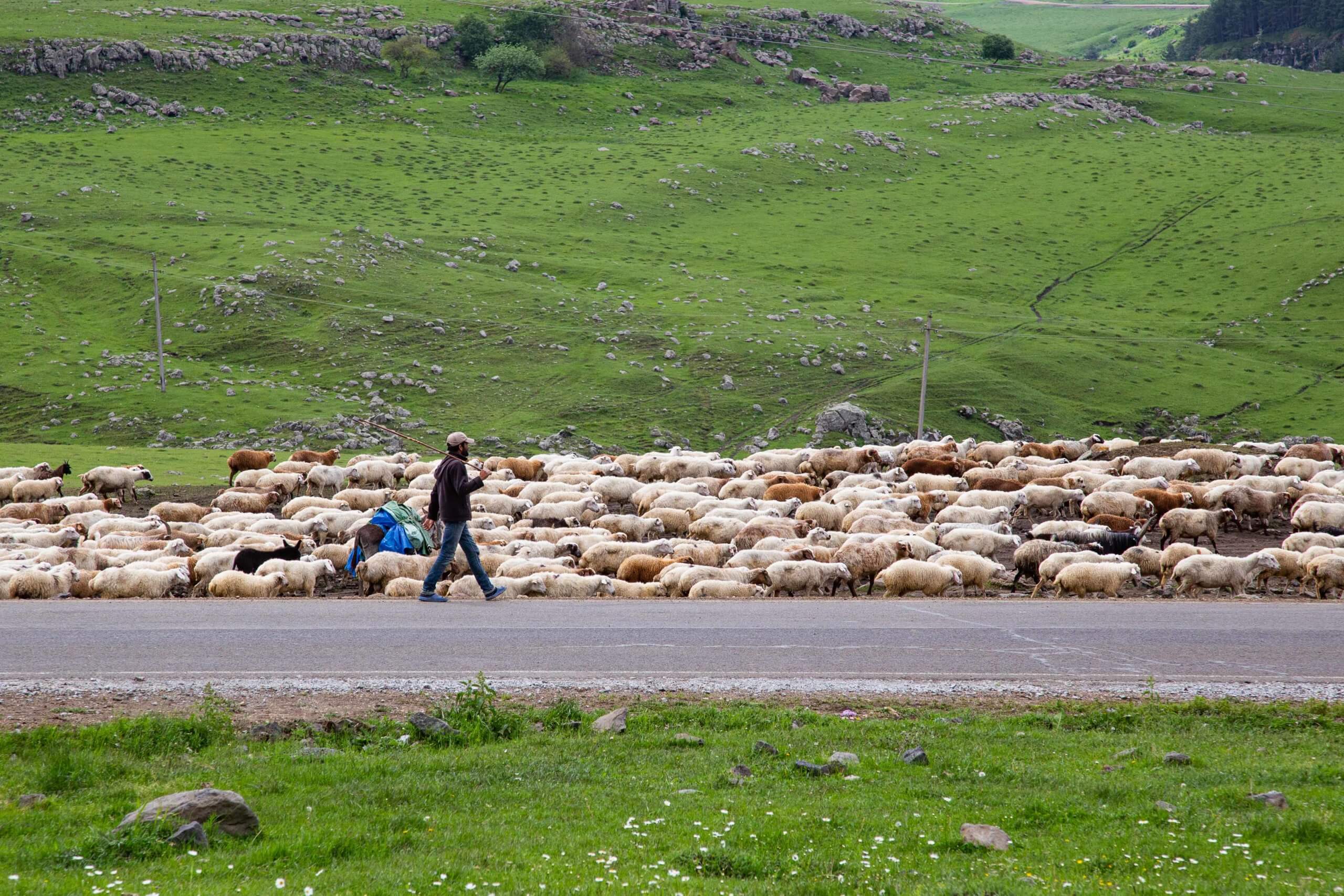
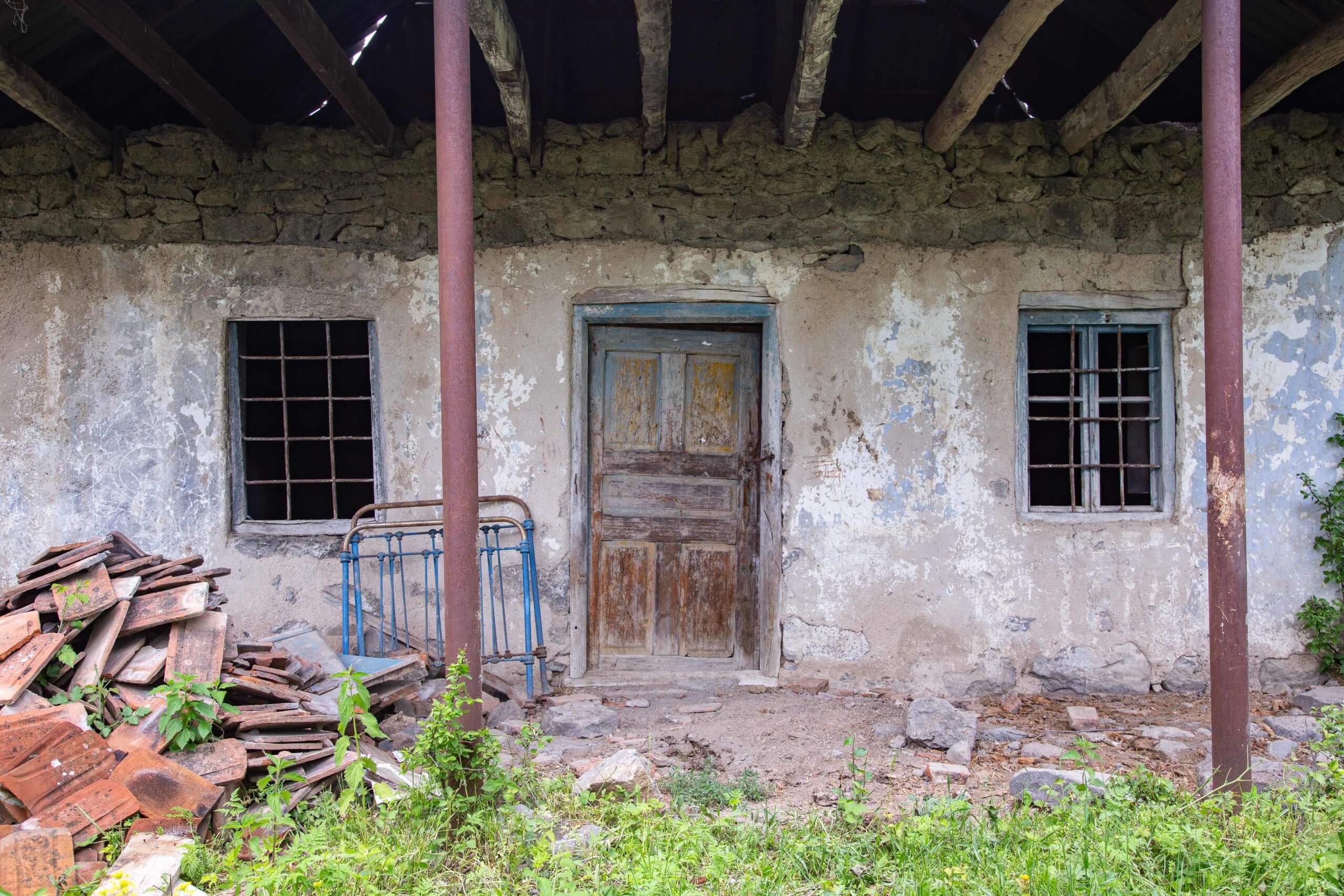
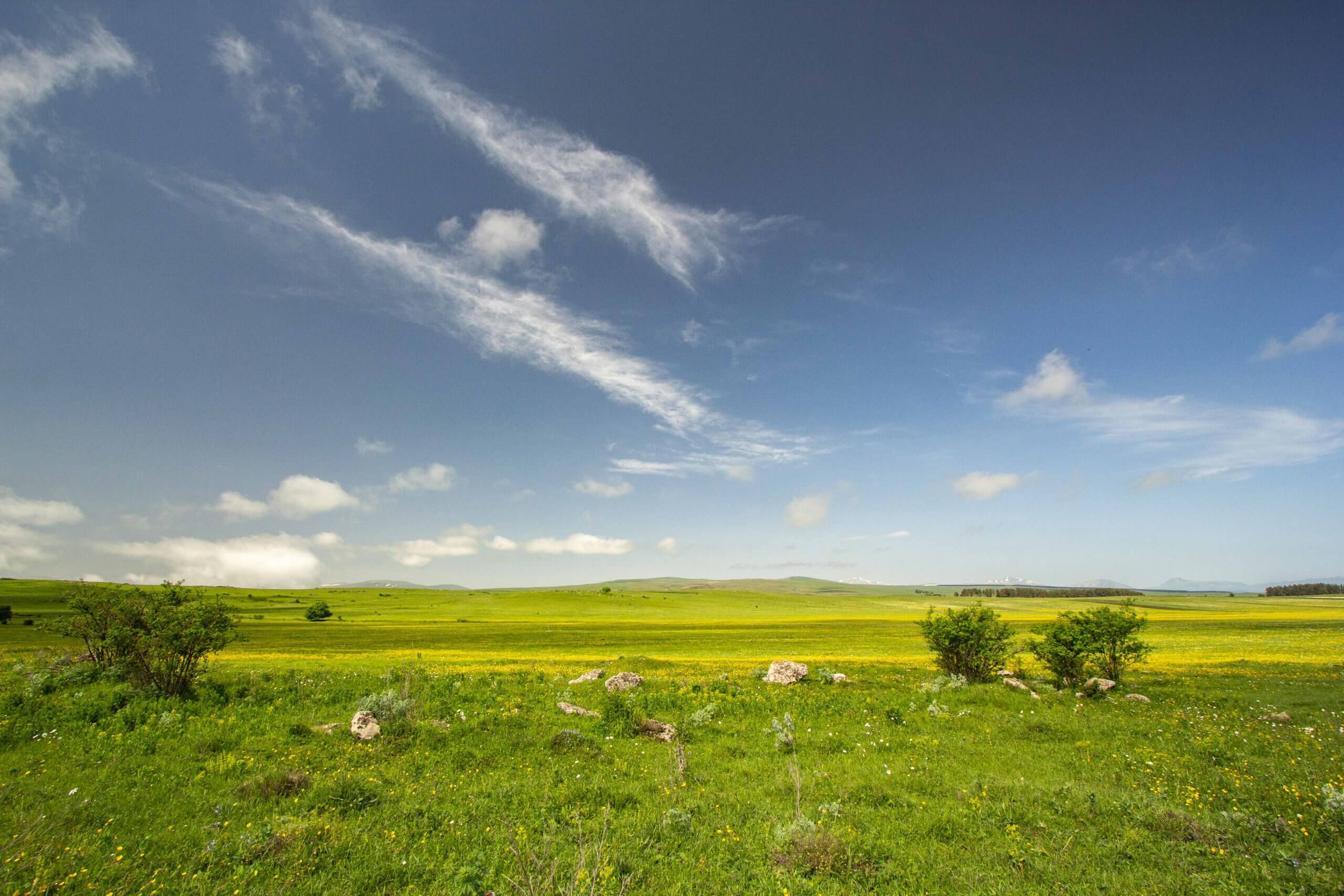
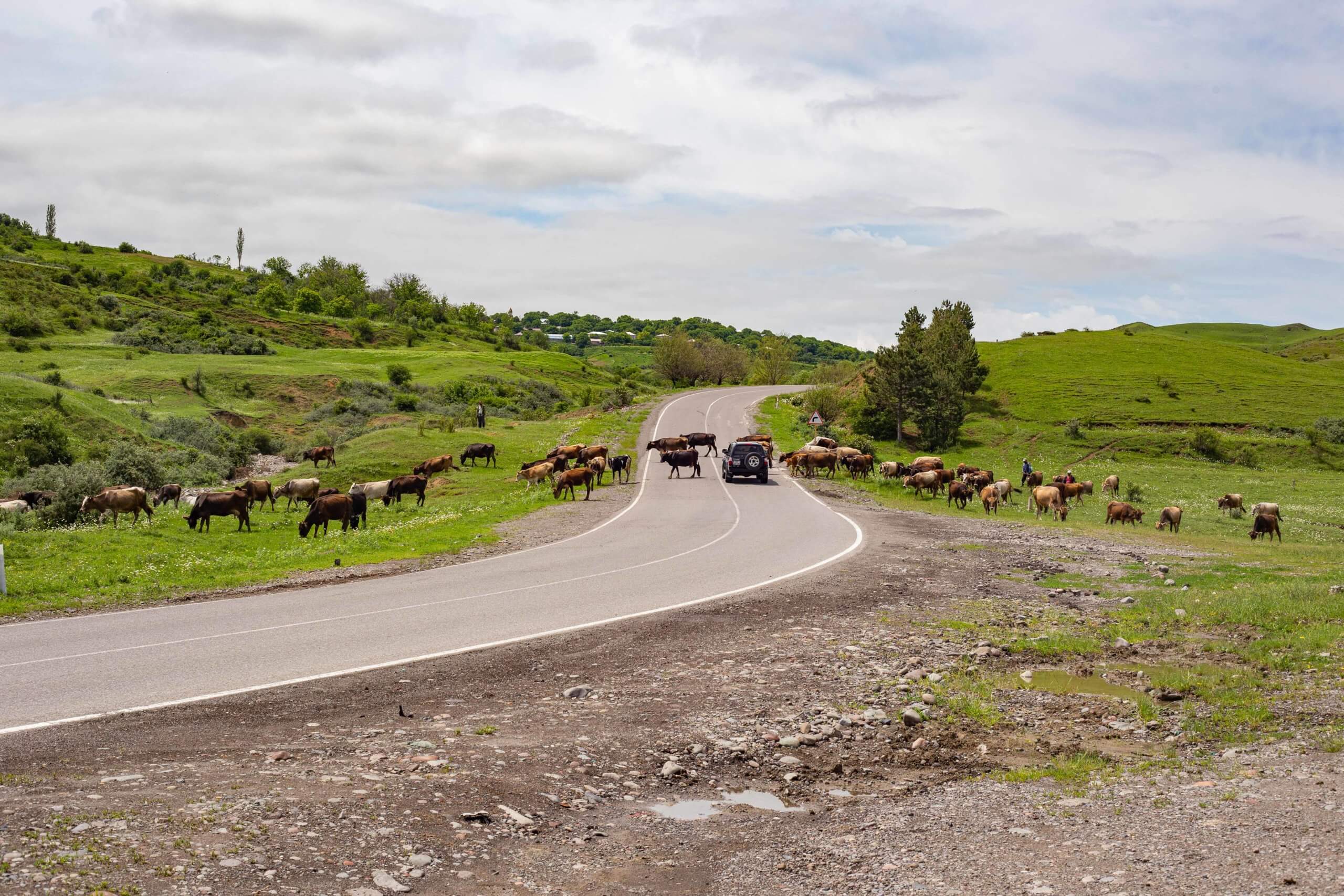
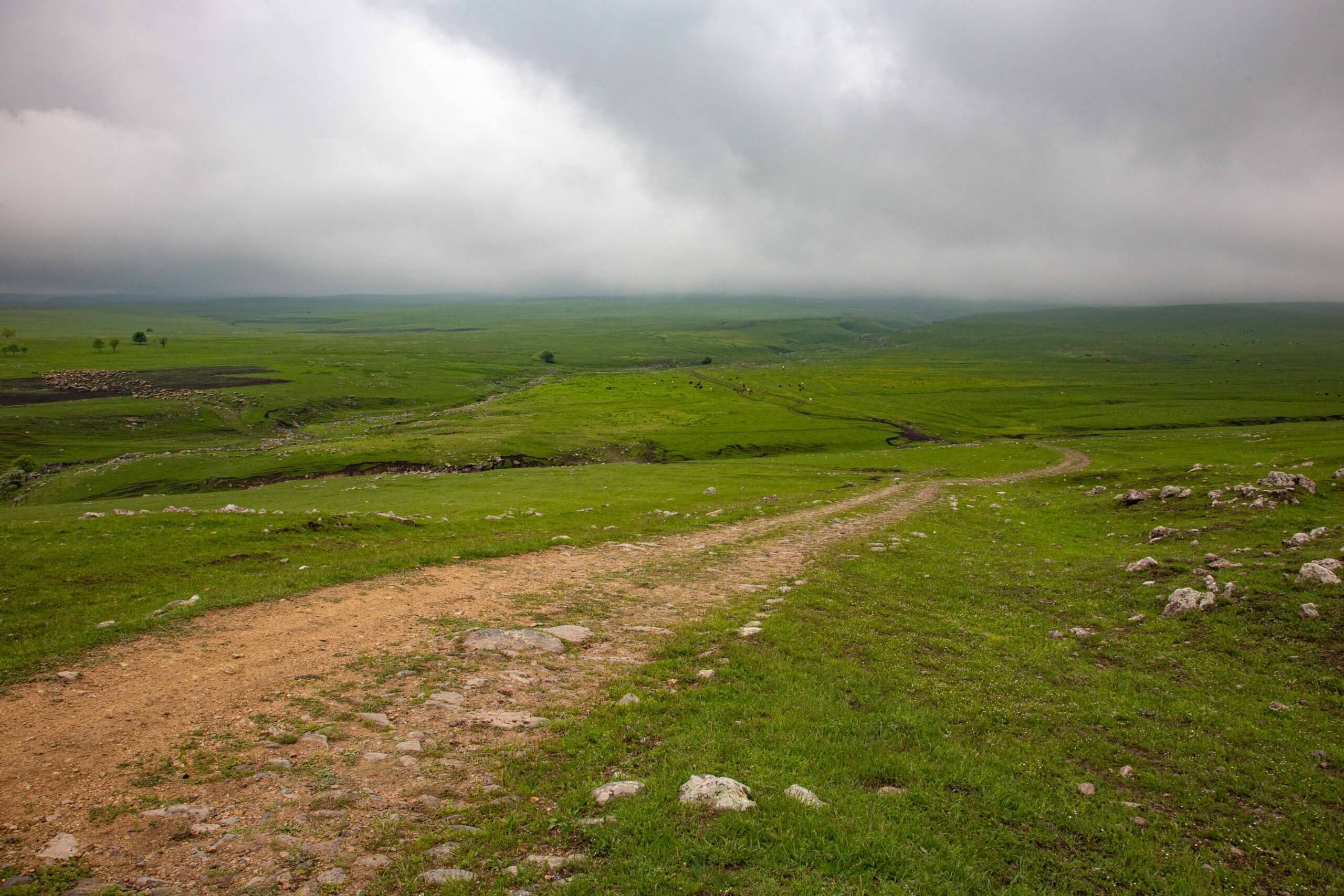
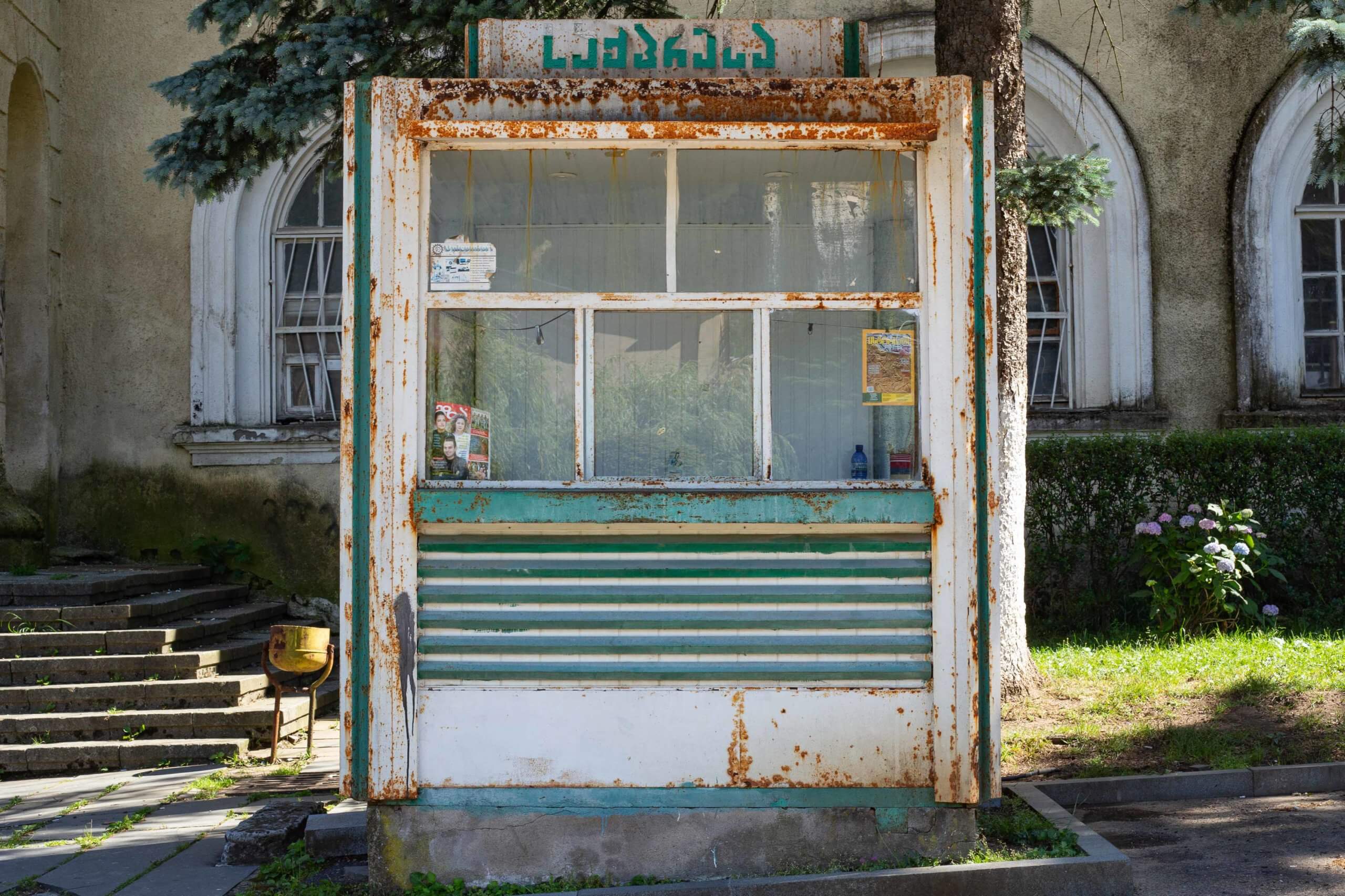
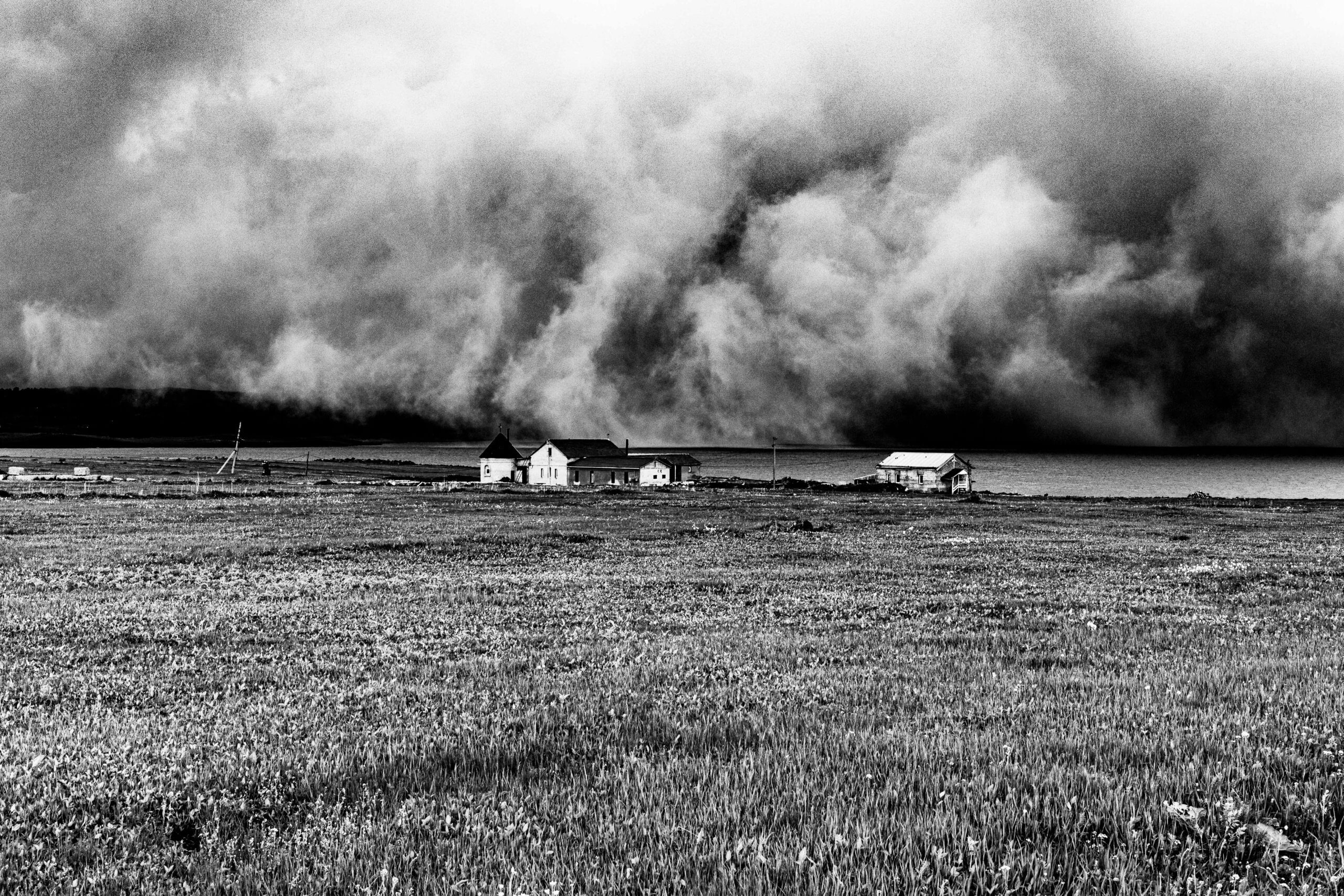
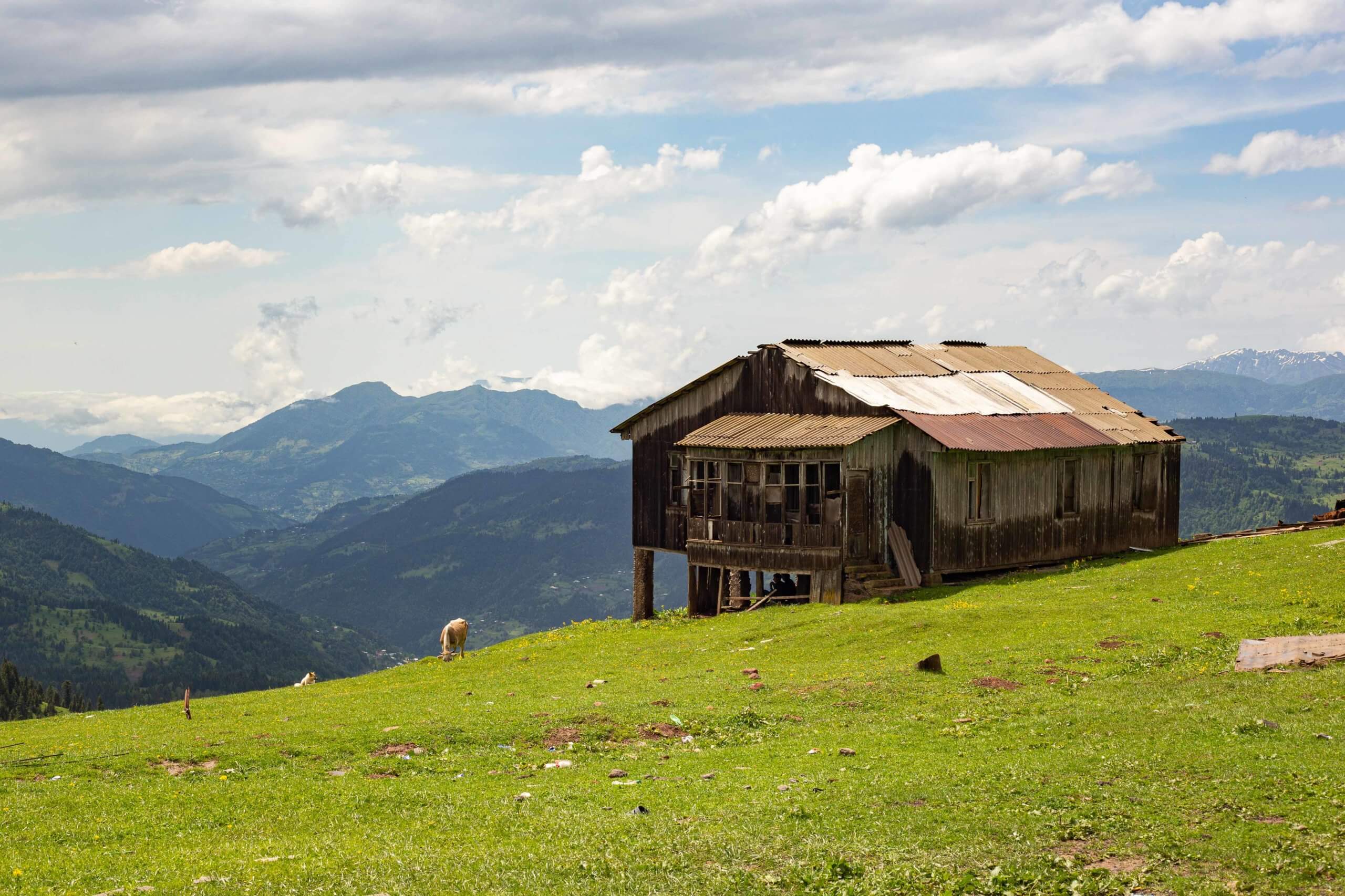
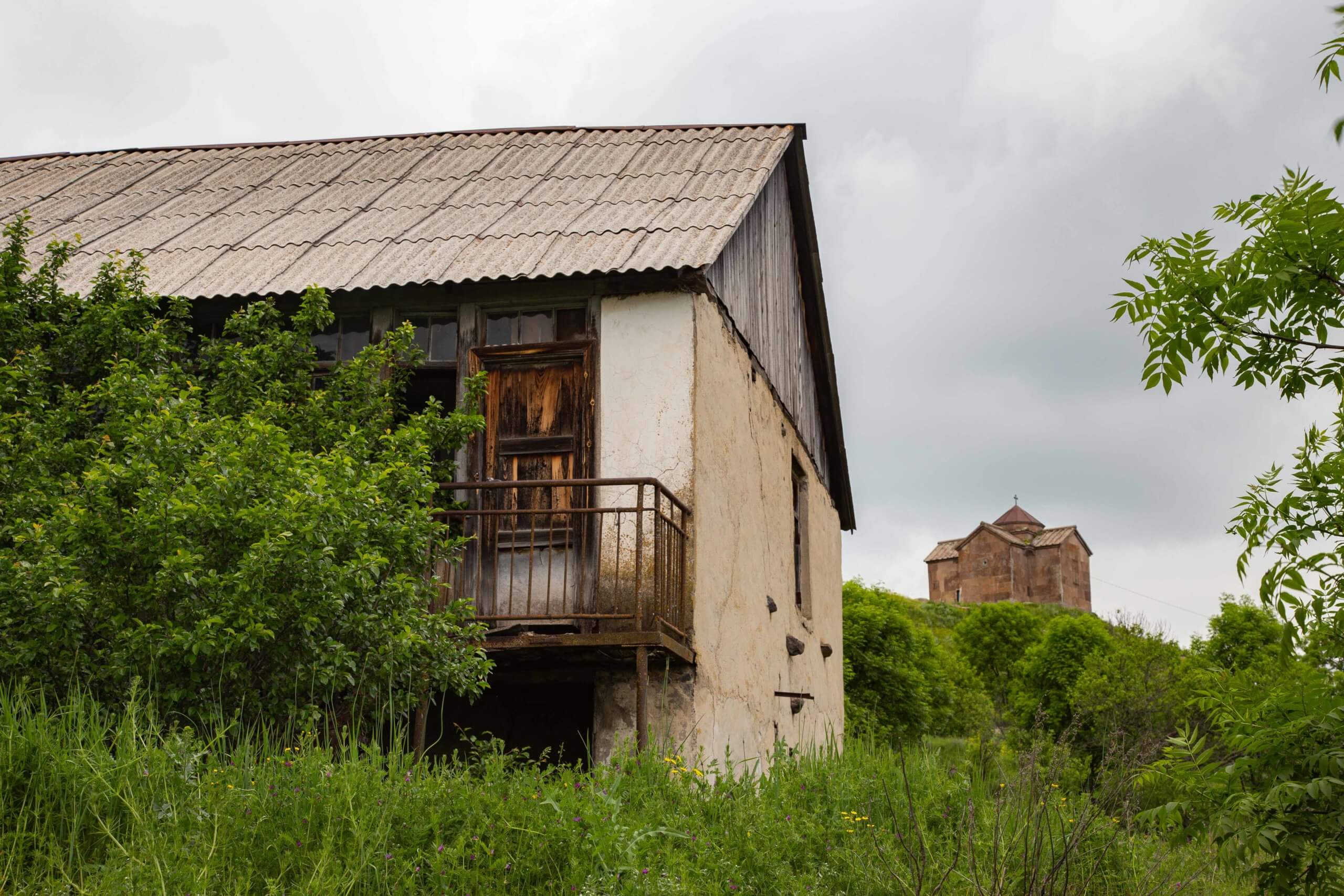
Sitting at the crossroads of Asia and Europe, Georgia has a rich cultural heritage and a complex geopolitical history. Over the centuries, it experienced conflicts with Turkey and Persia before being annexed by Russia in the 19th century. Despite its small size, Georgia’s landscapes are remarkably varied — from alpine mountains and Black Sea beaches to remote southern grasslands and arid eastern wine-growing plains. This set of Caucasus Mountains photos comes from a two-week road trip through Georgia, following a failed attempt to travel with two donkeys between the outskirts of Tbilisi and Tsalka.
For historical photographs of the Caucasus and other parts of Georgia, see the early 20th-century work of George Kennan, an American photographer who travelled extensively through the Russian Empire, reaching as far as Kamchatka and Siberia’s Arctic coast. (He shares the same name and birthday with his cousin twice removed — the historian and diplomat.)
With its wealth of historical sites, diverse landscapes, and distinct cultural regions, deciding where to travel in Georgia can be difficult. Highlights include the ancient capitals of Kutaisi and Mtskheta (3,000–5,000 years old), Ushguli, Europe’s highest permanently inhabited settlement, and Georgia’s highest peak, Shkhara (5,193 m) — though Kazbek (5,054 m) is climbed more often. Across the border in Russia stands Mount Elbrus (5,642 m), Europe’s tallest peak; you can read my ExplorersWeb story on the mountain.
Georgia can be reached by air via Tbilisi, Kutaisi, or Sokhumi, as well as by land borders and ferry services across the Black Sea.