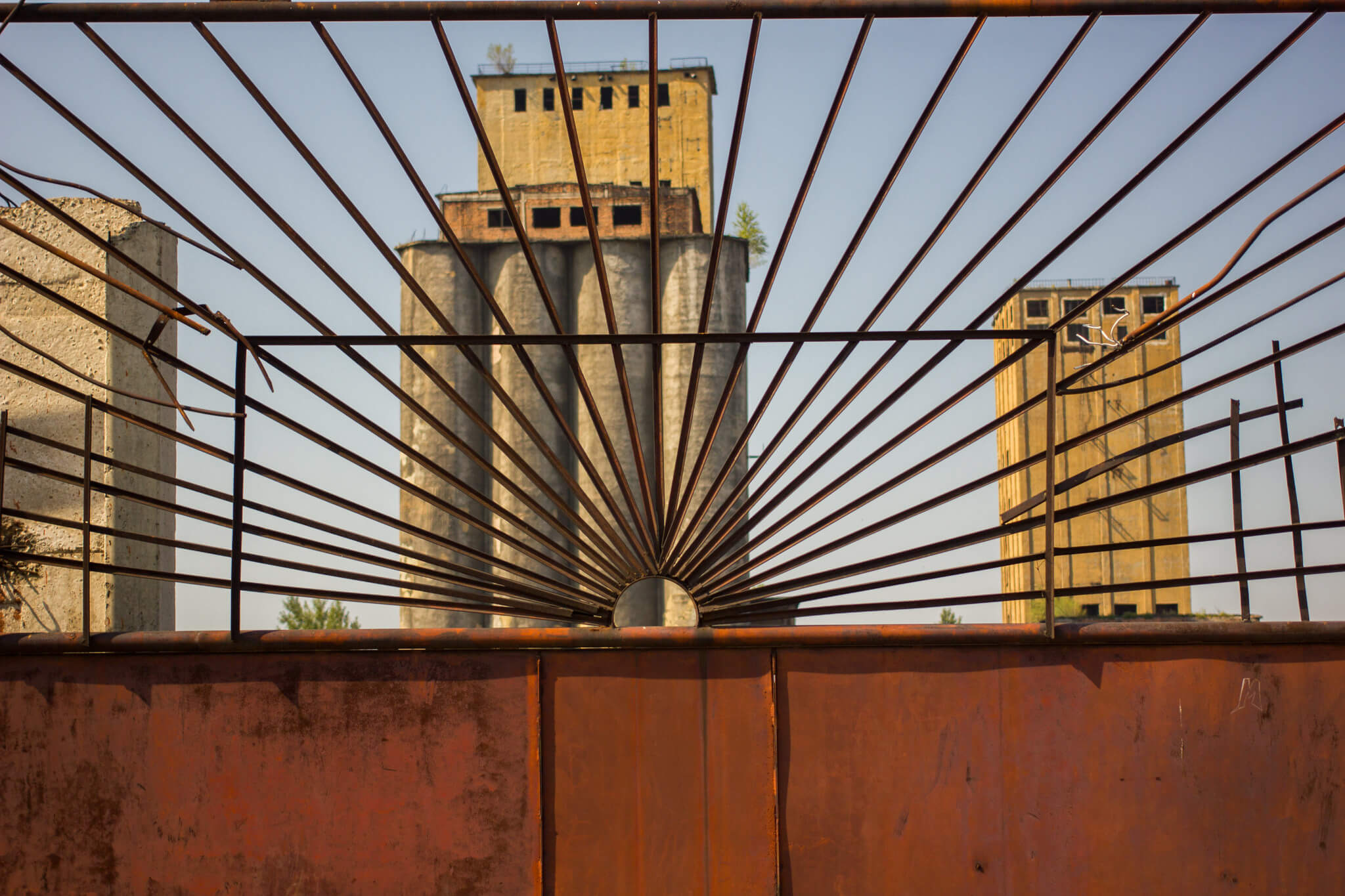
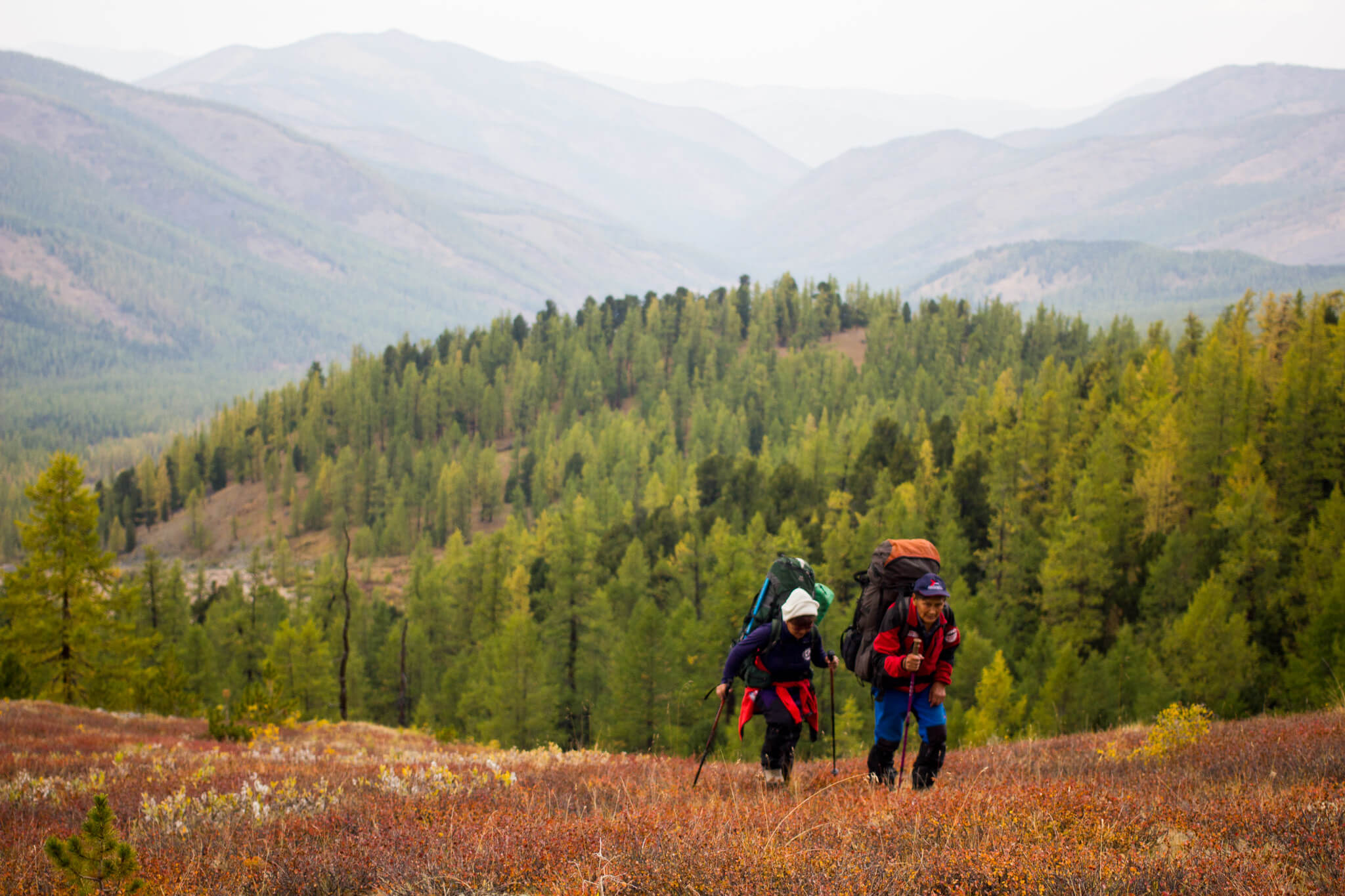
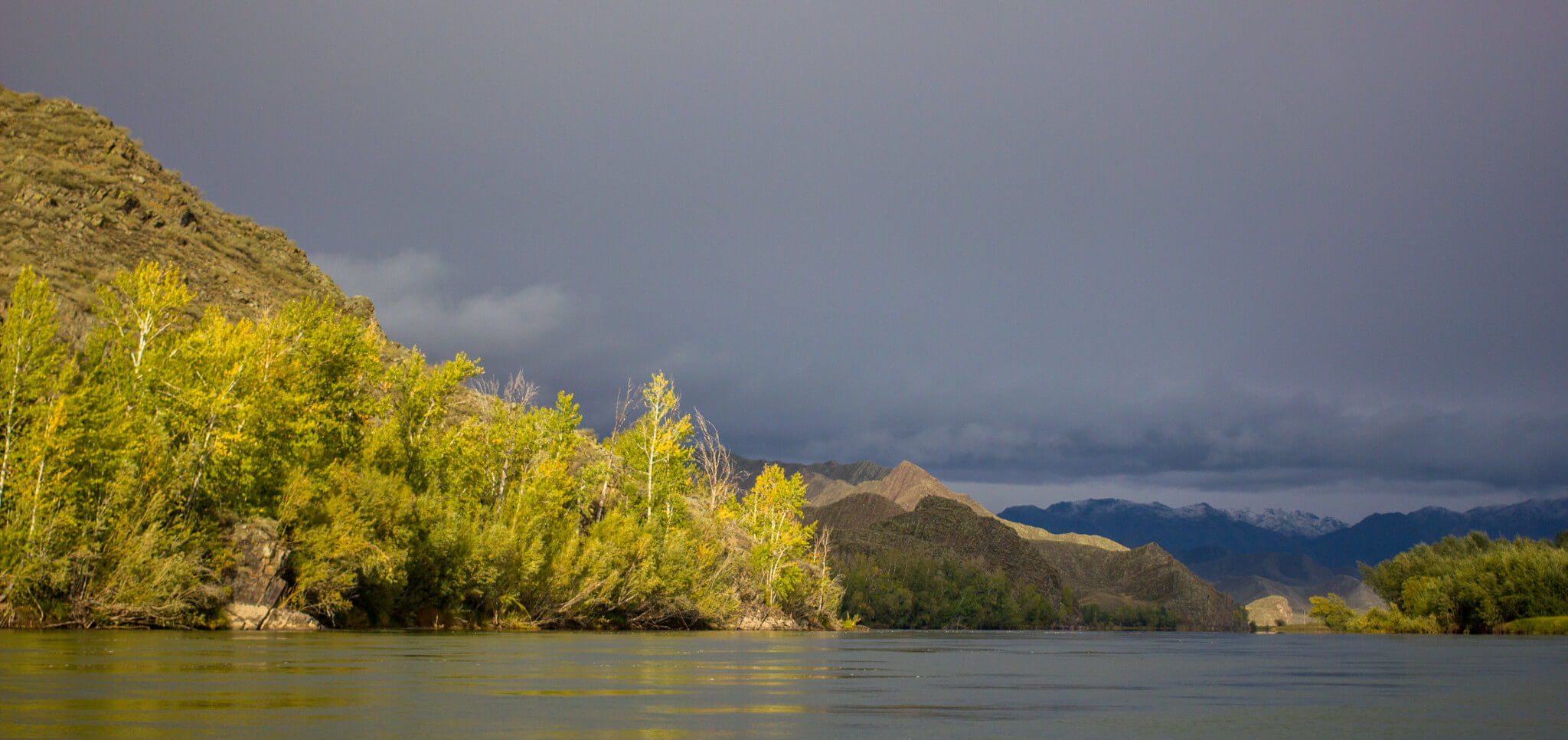
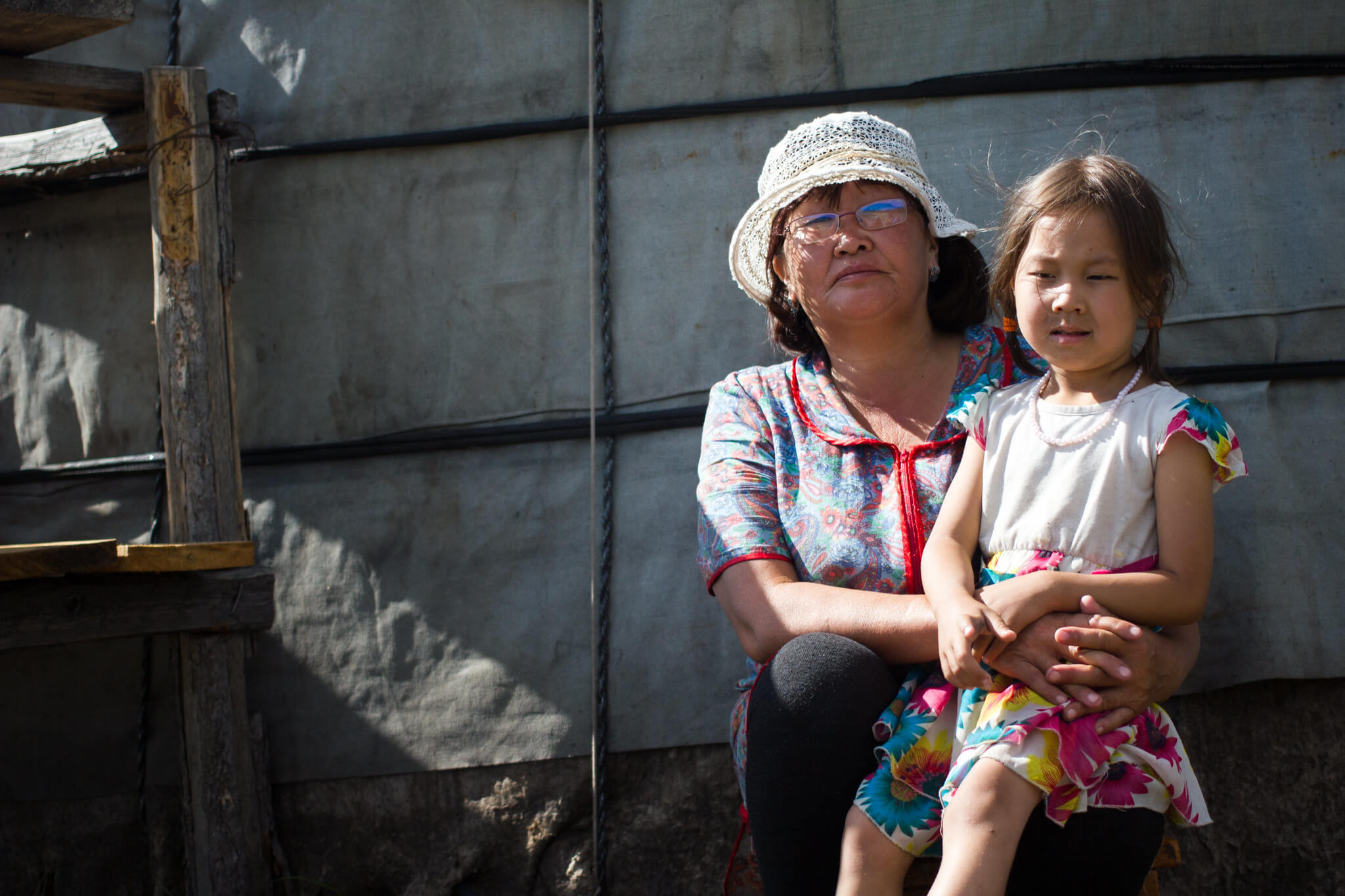
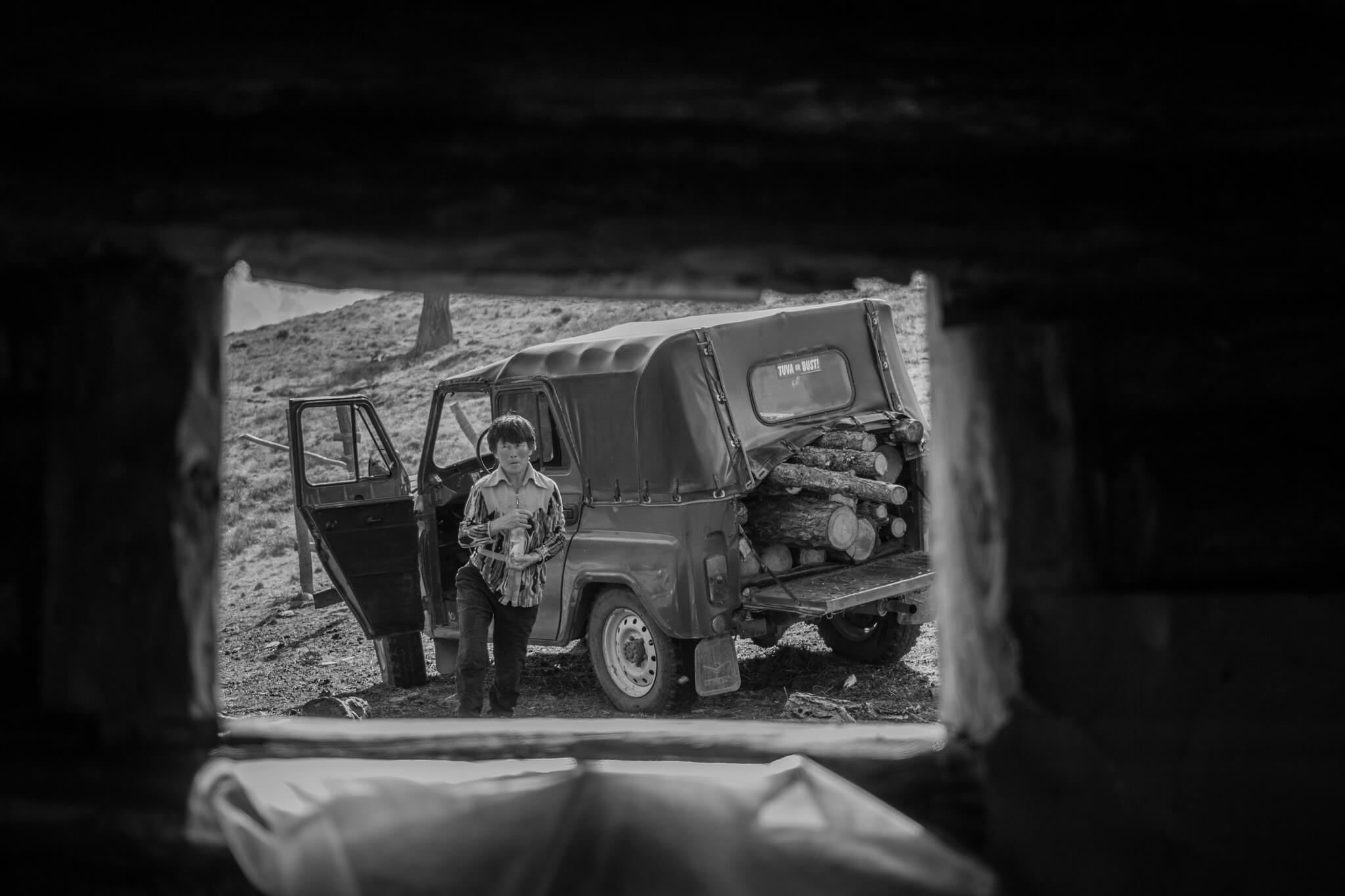
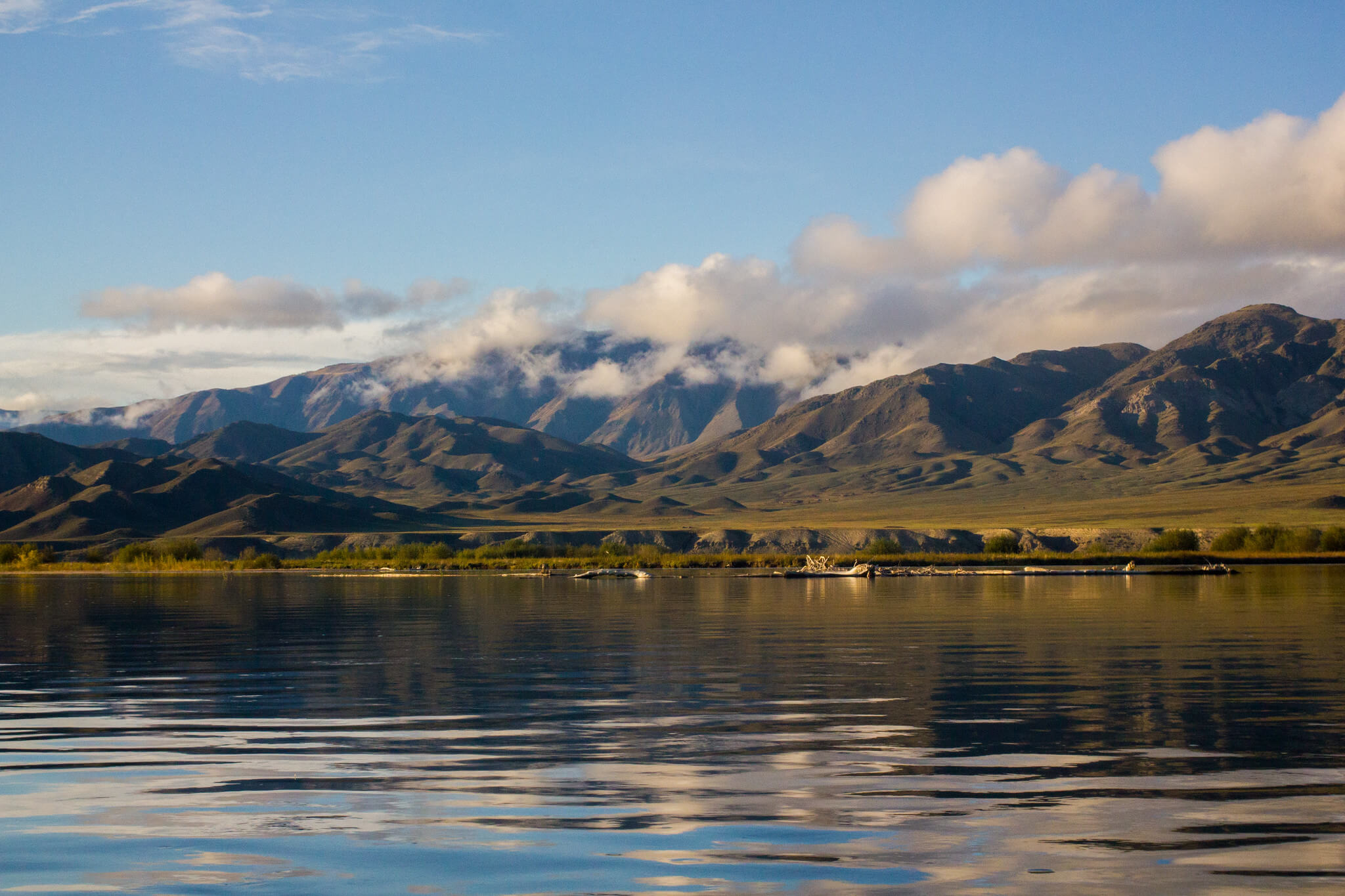
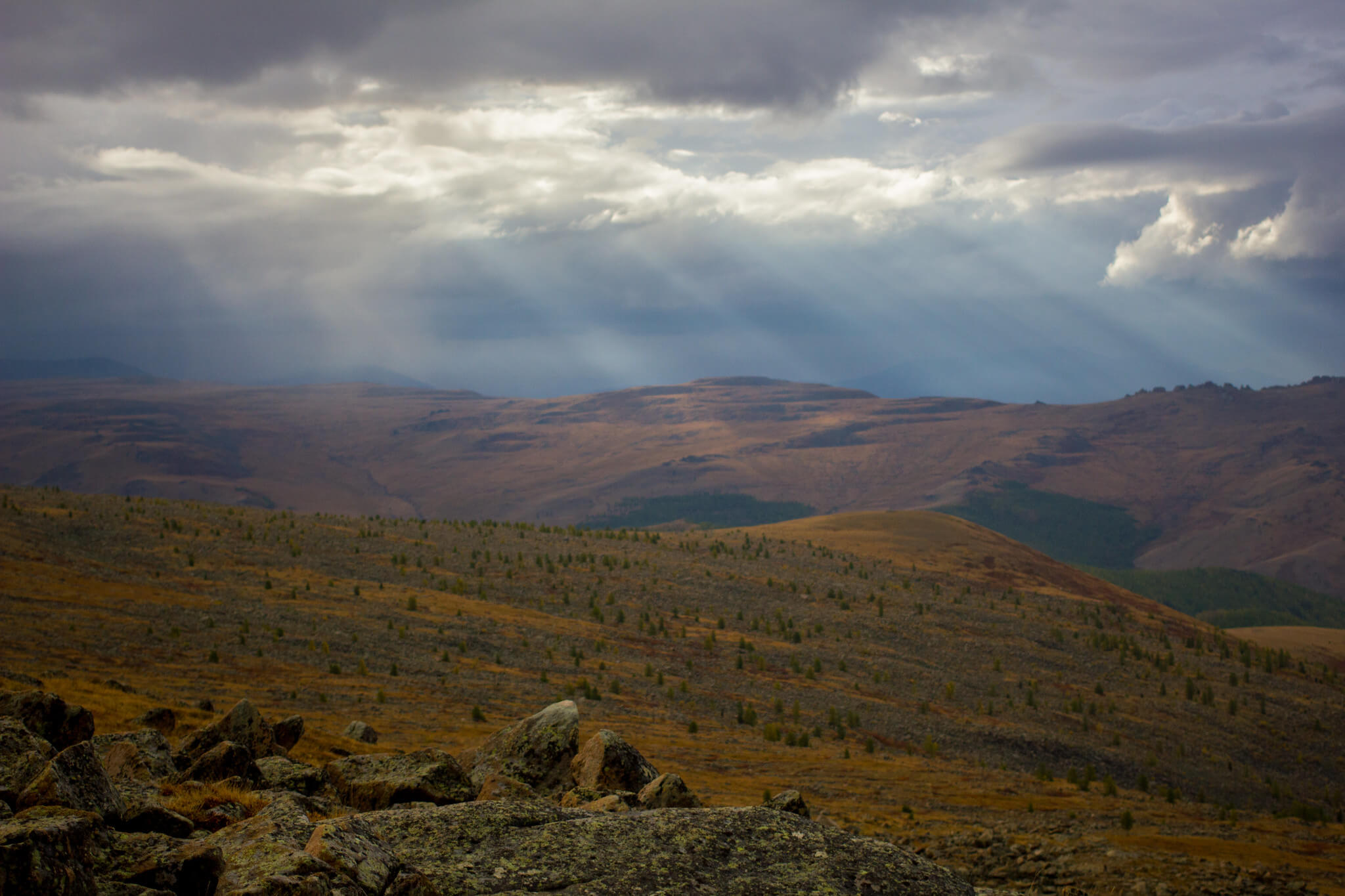
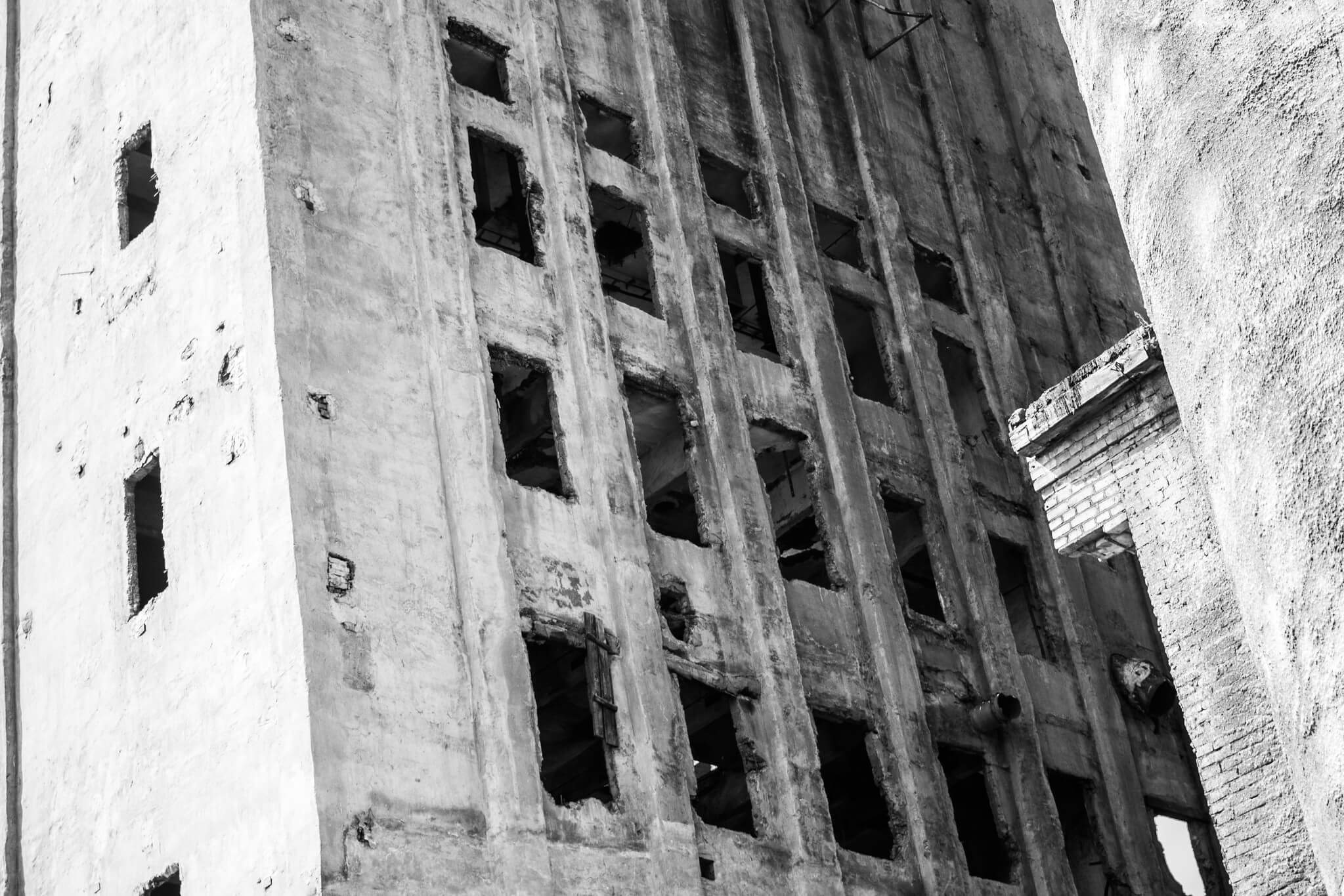
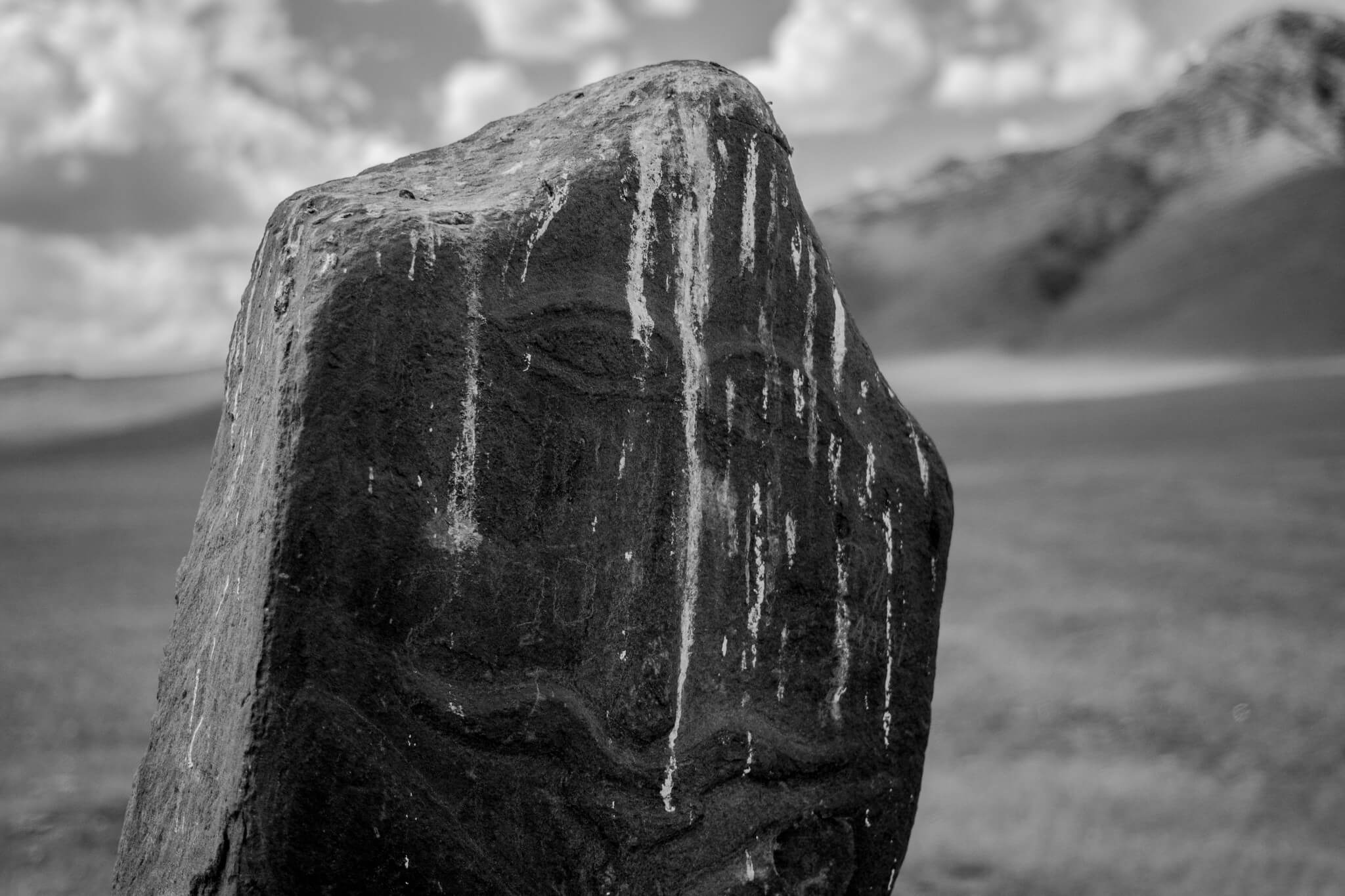
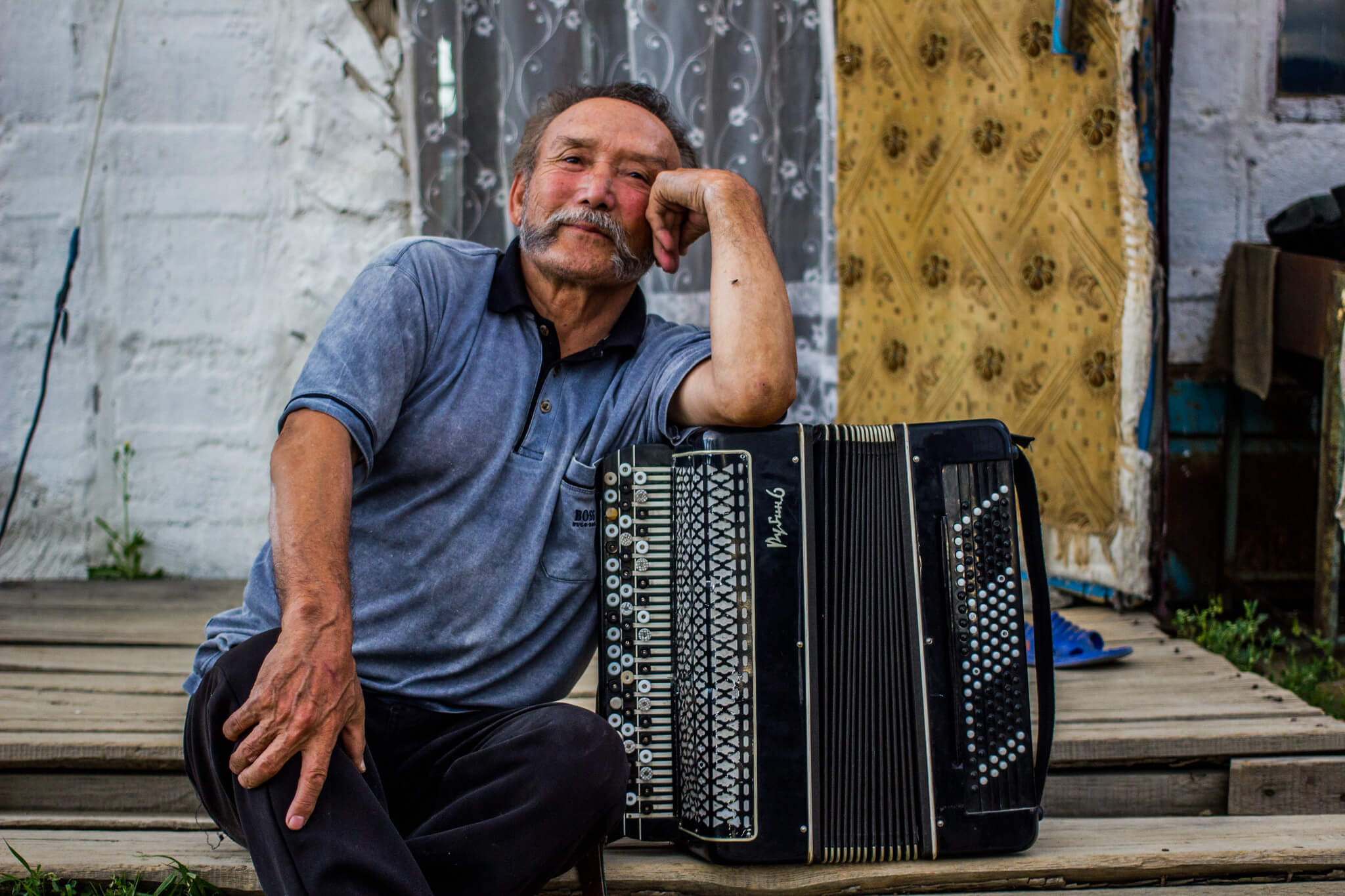
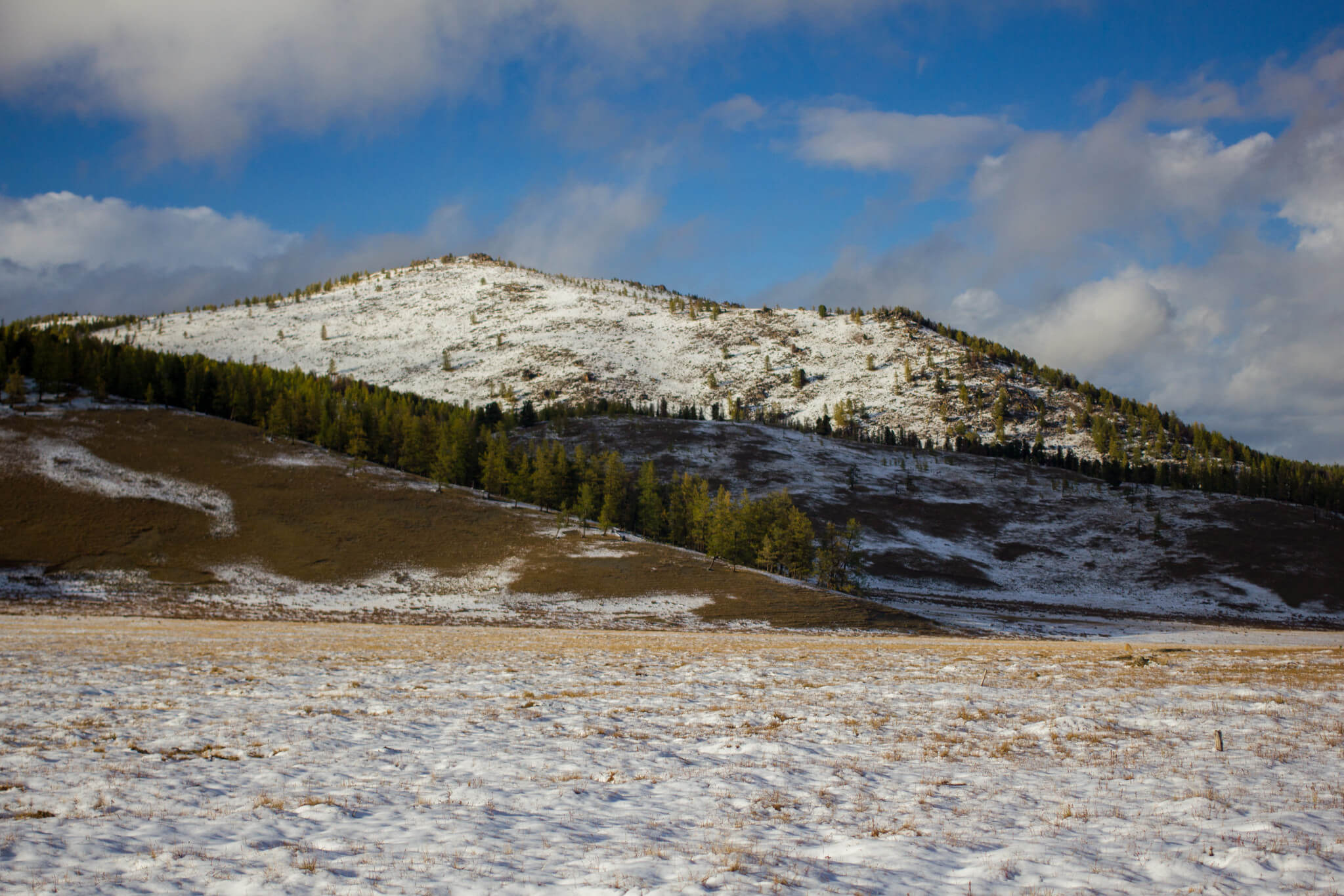
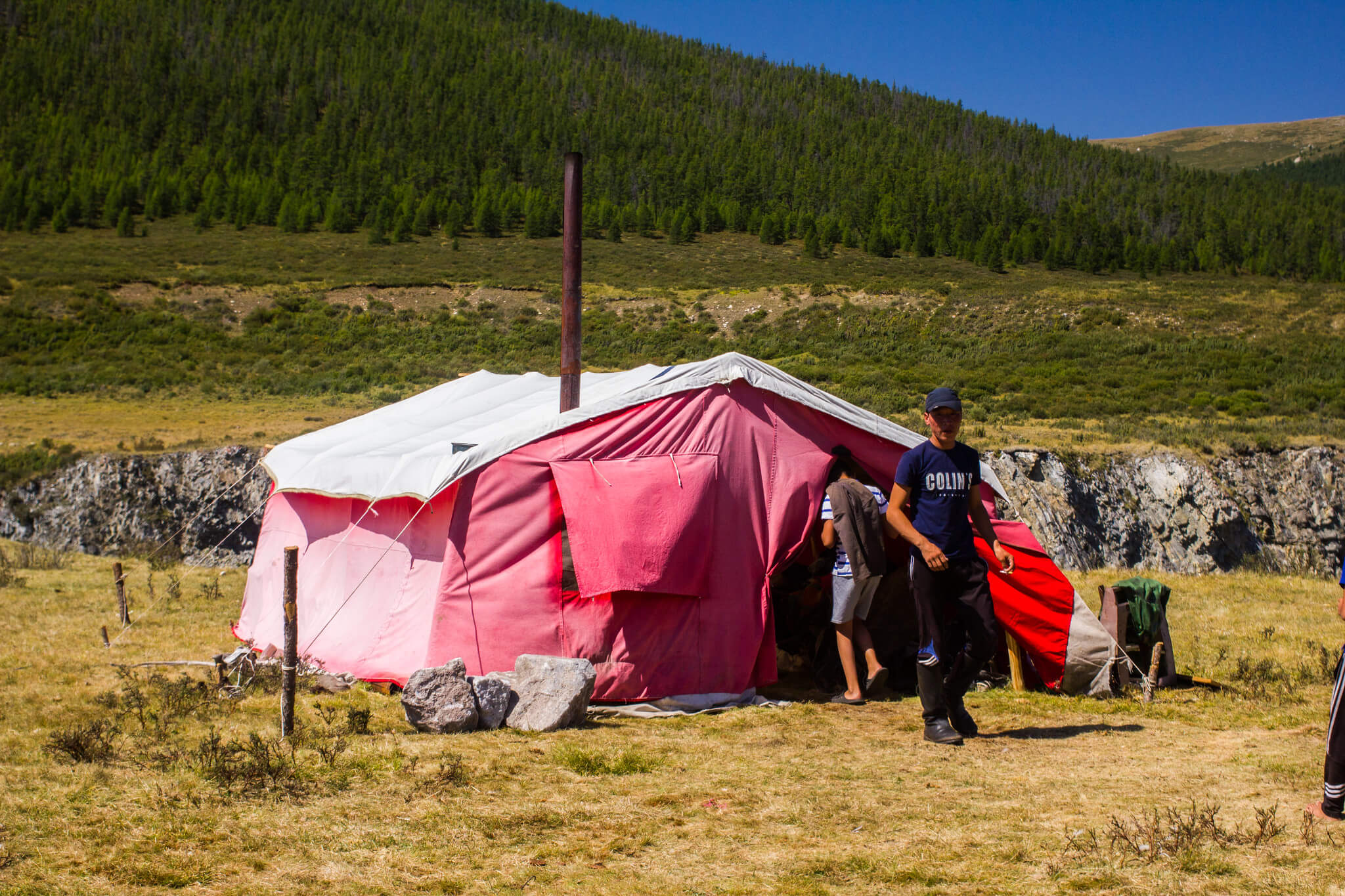
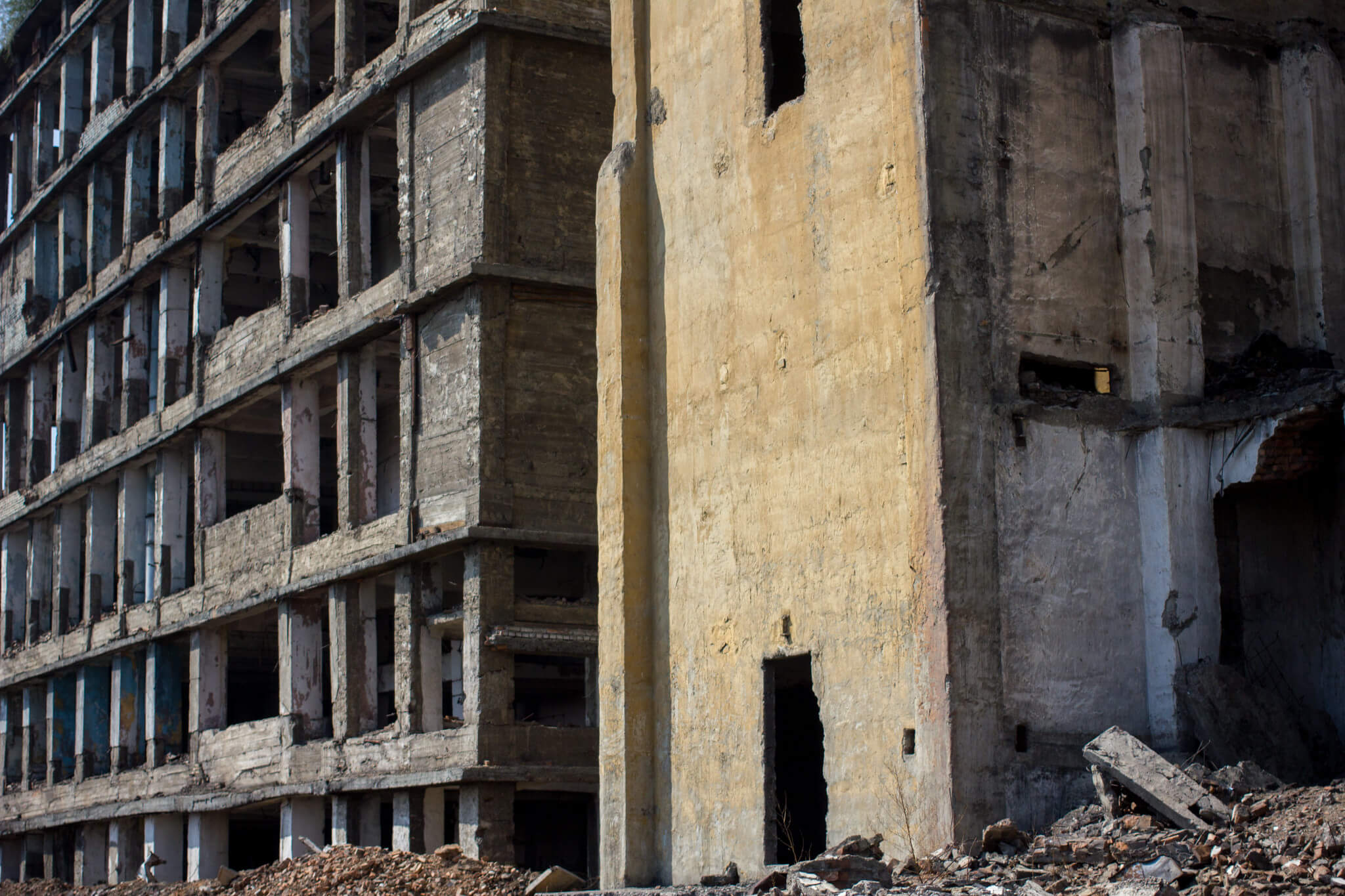
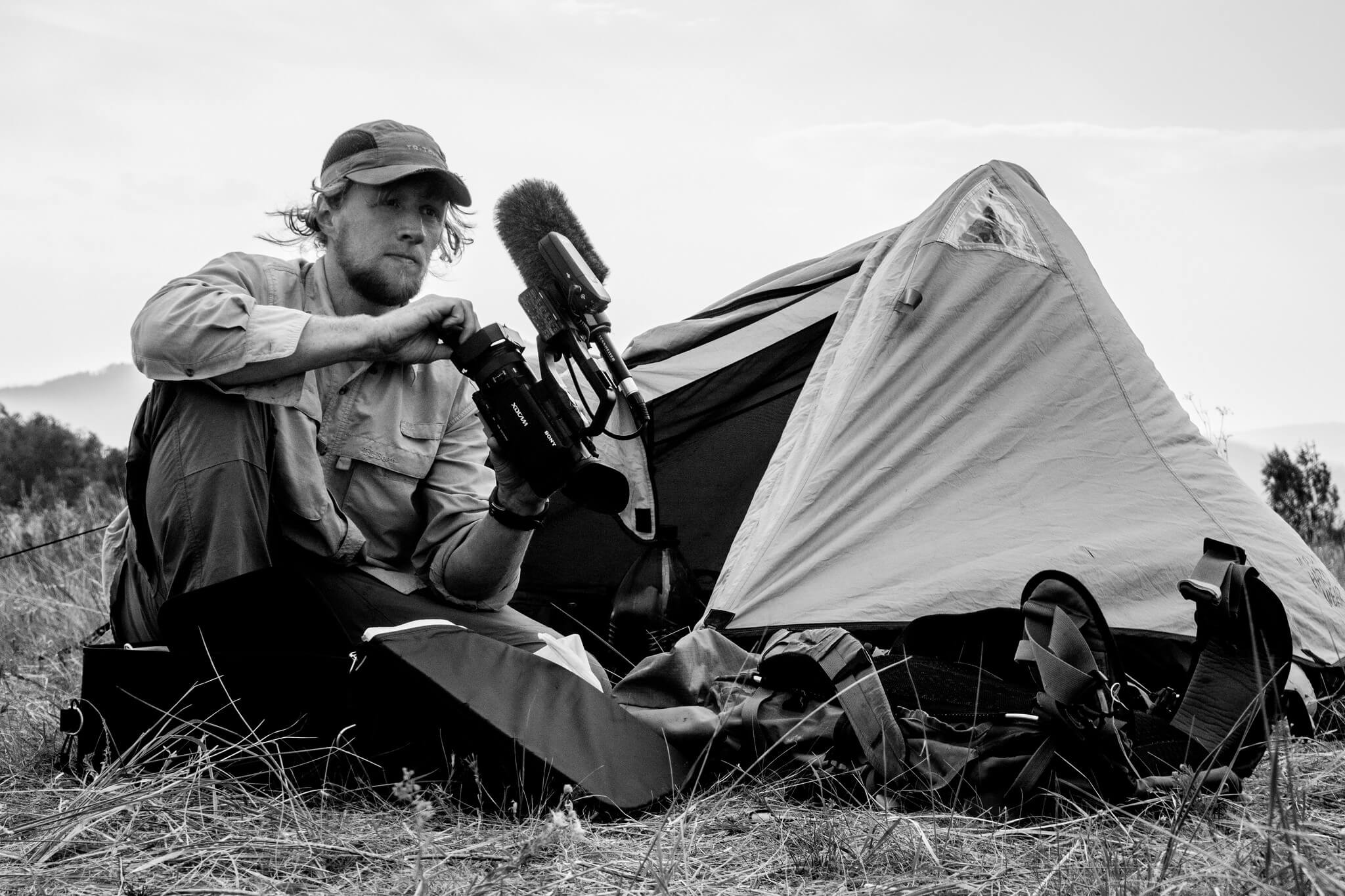
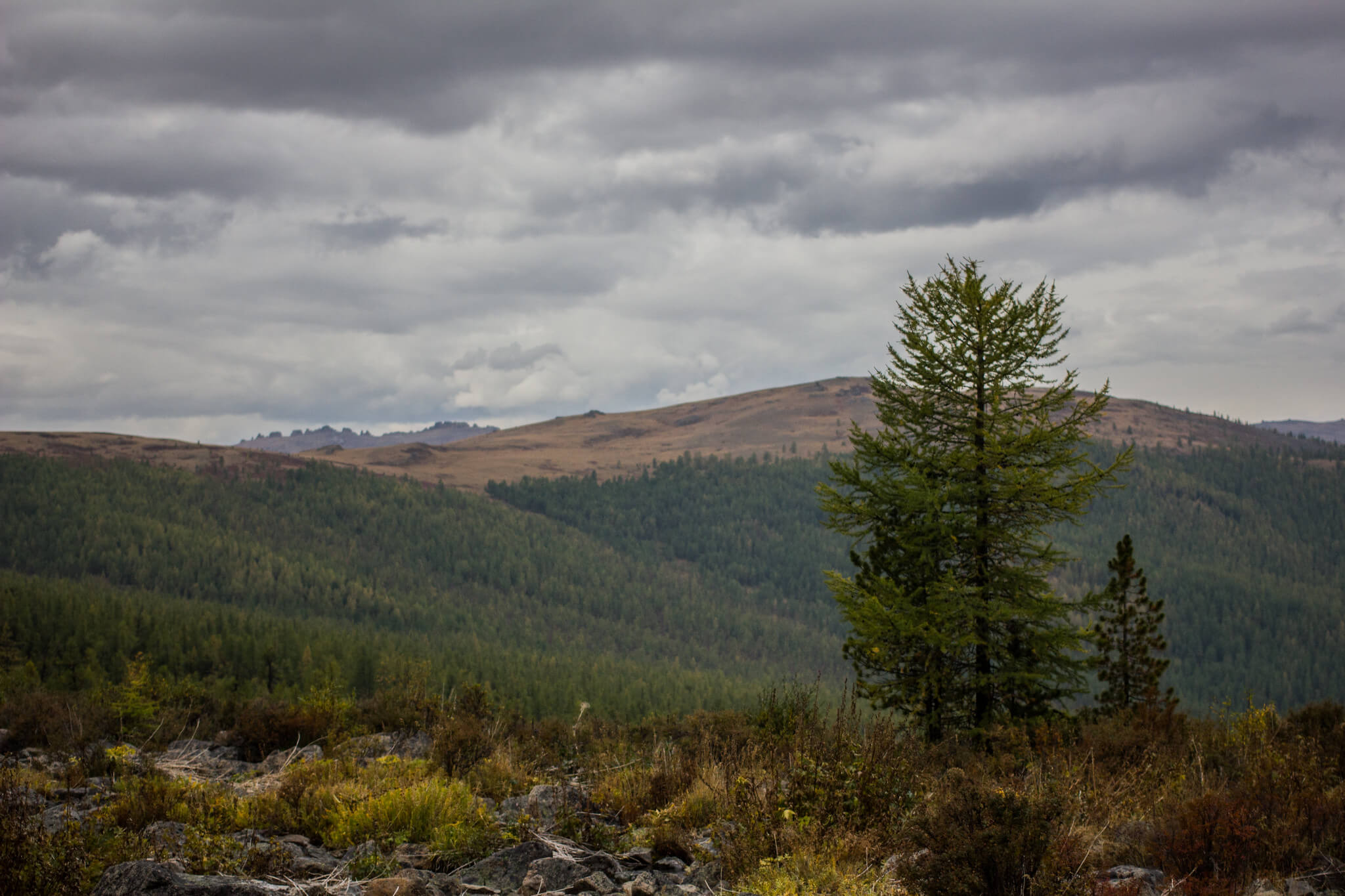
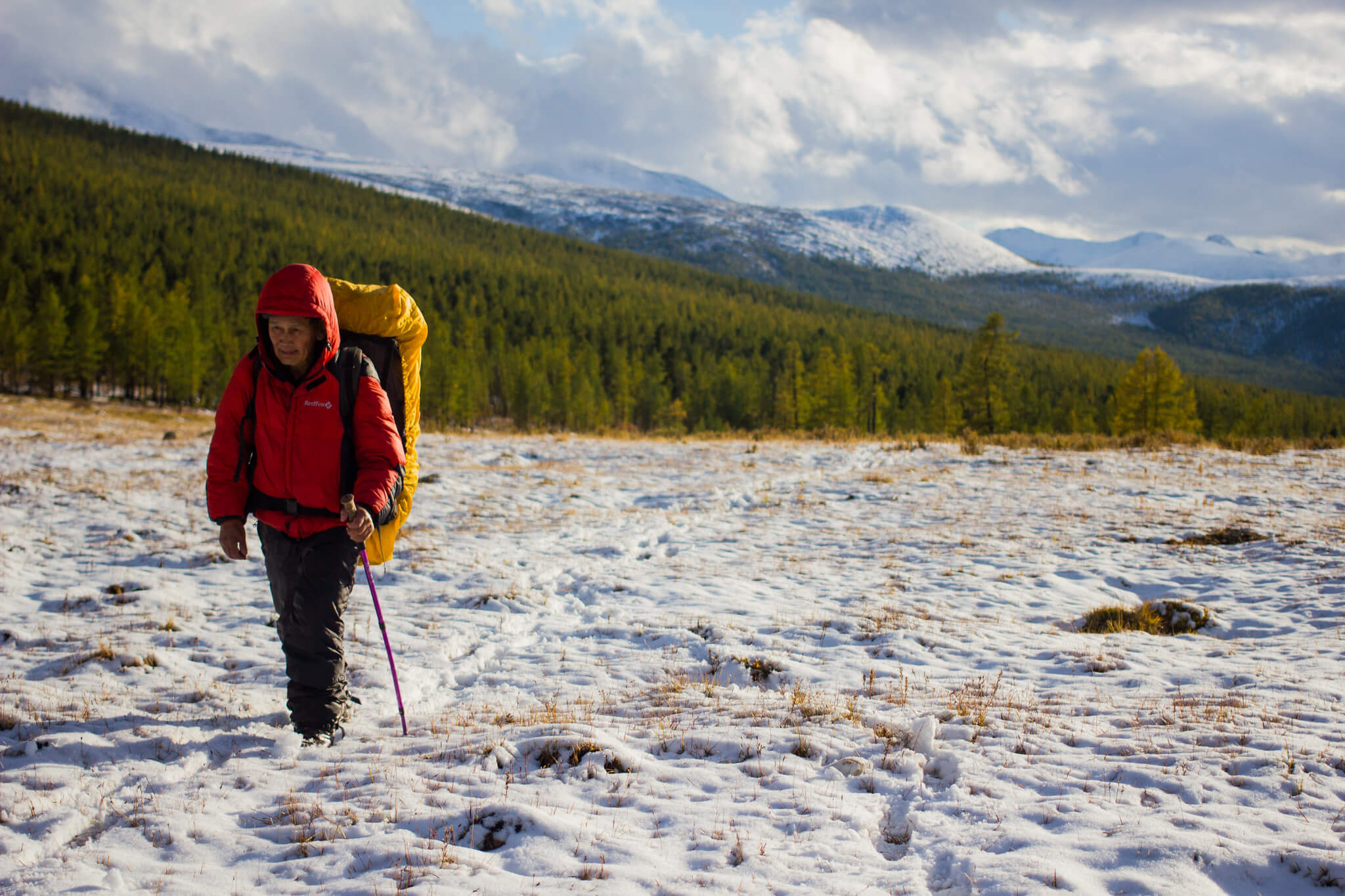
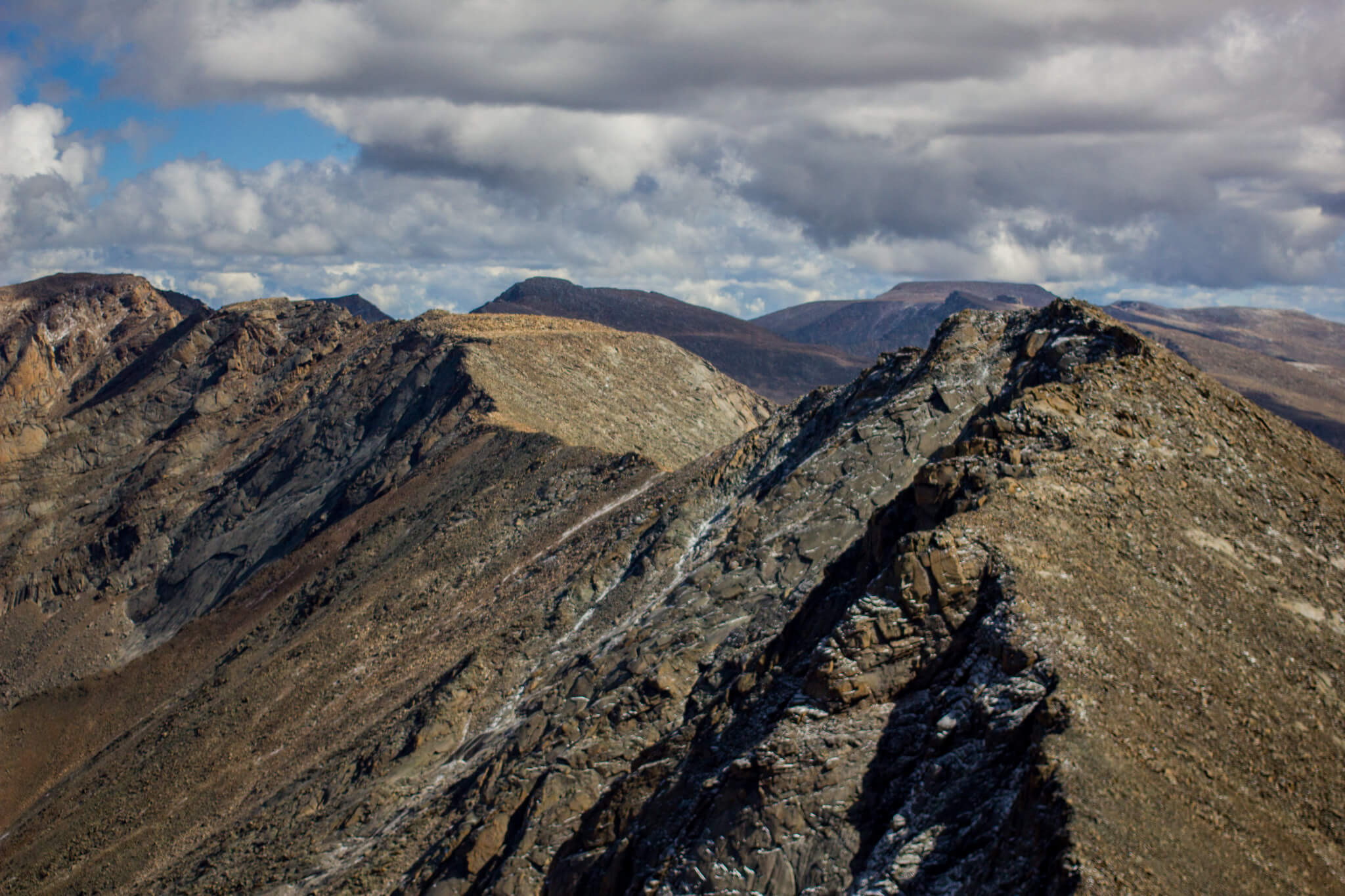
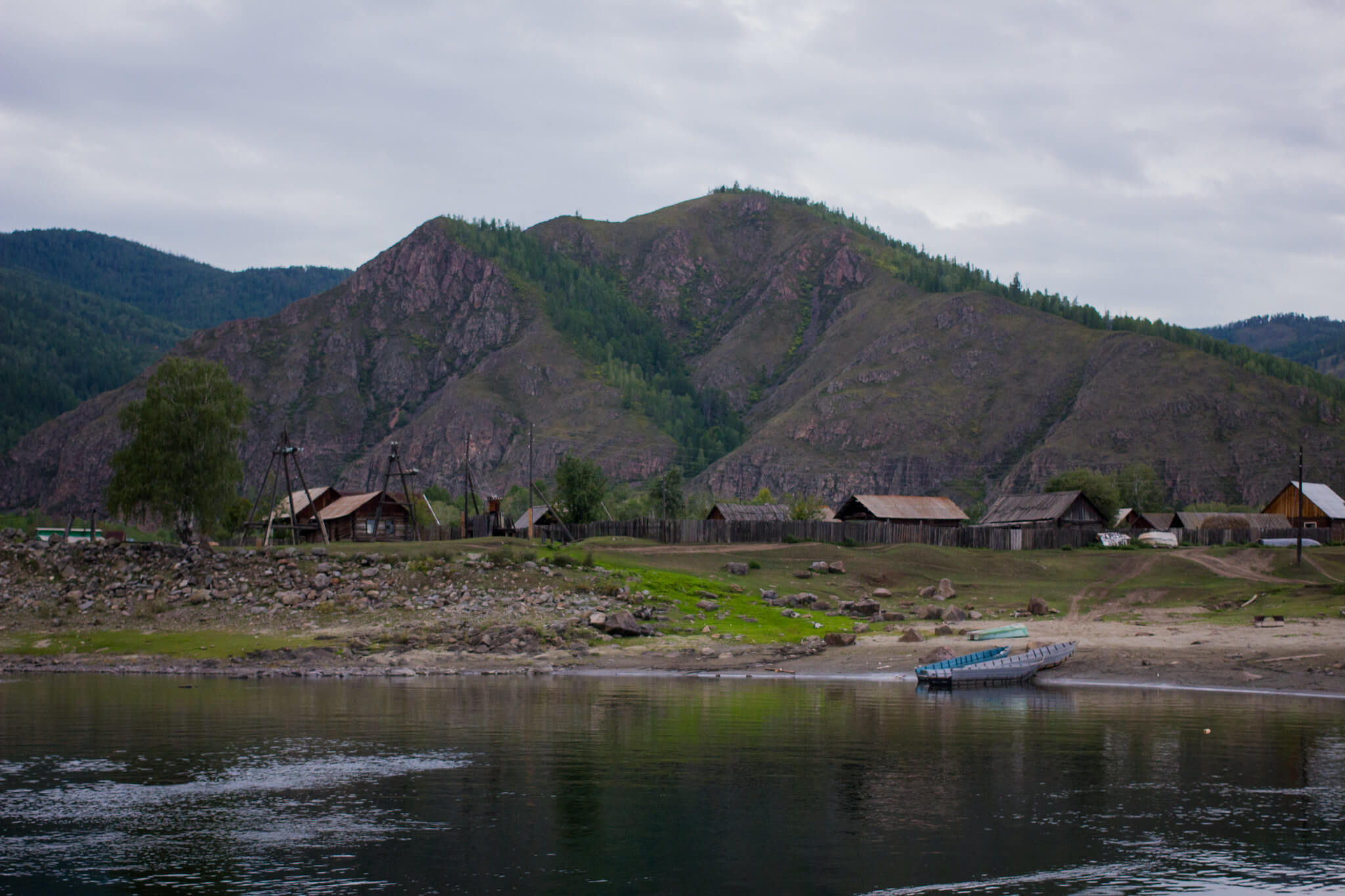
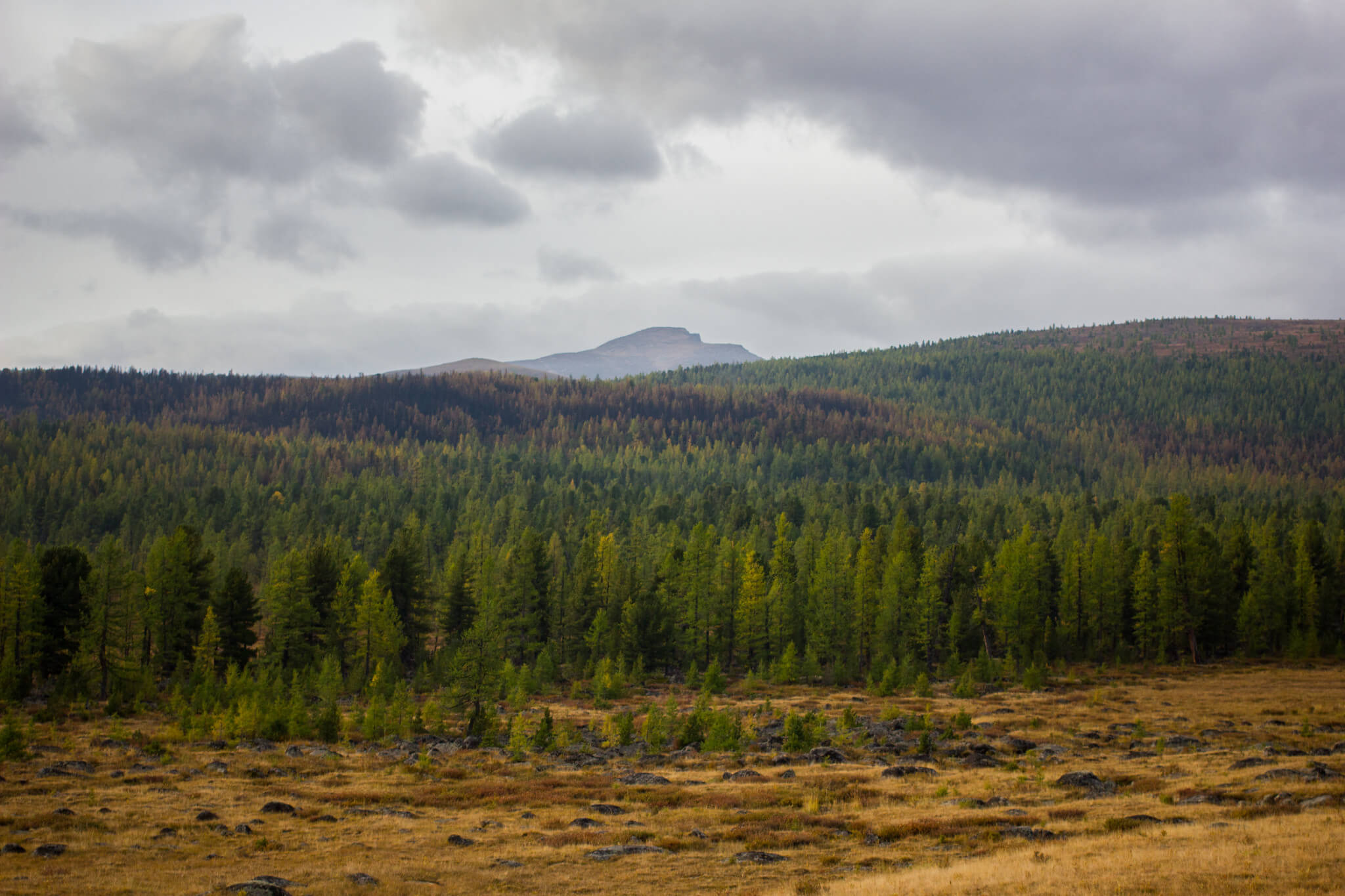
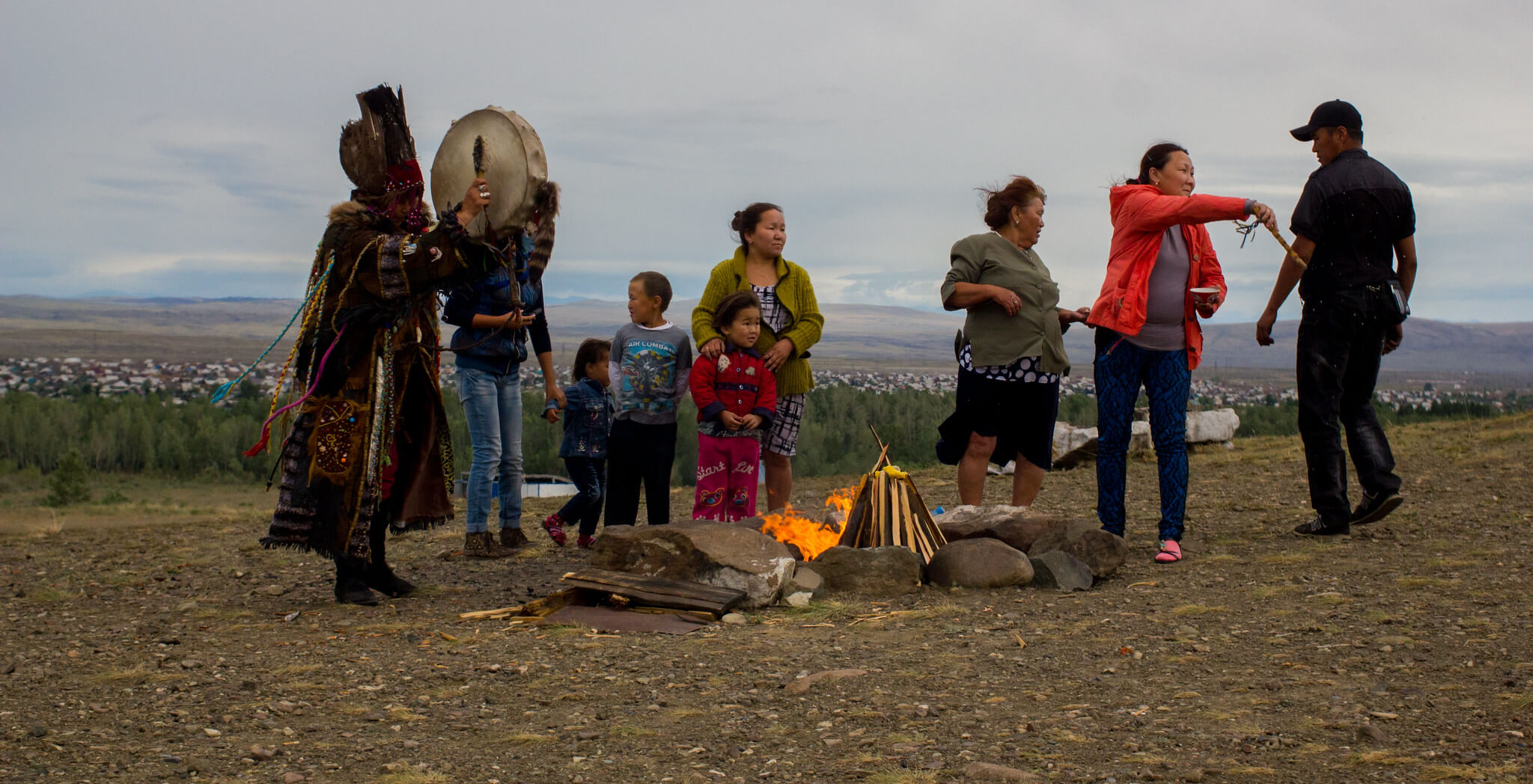
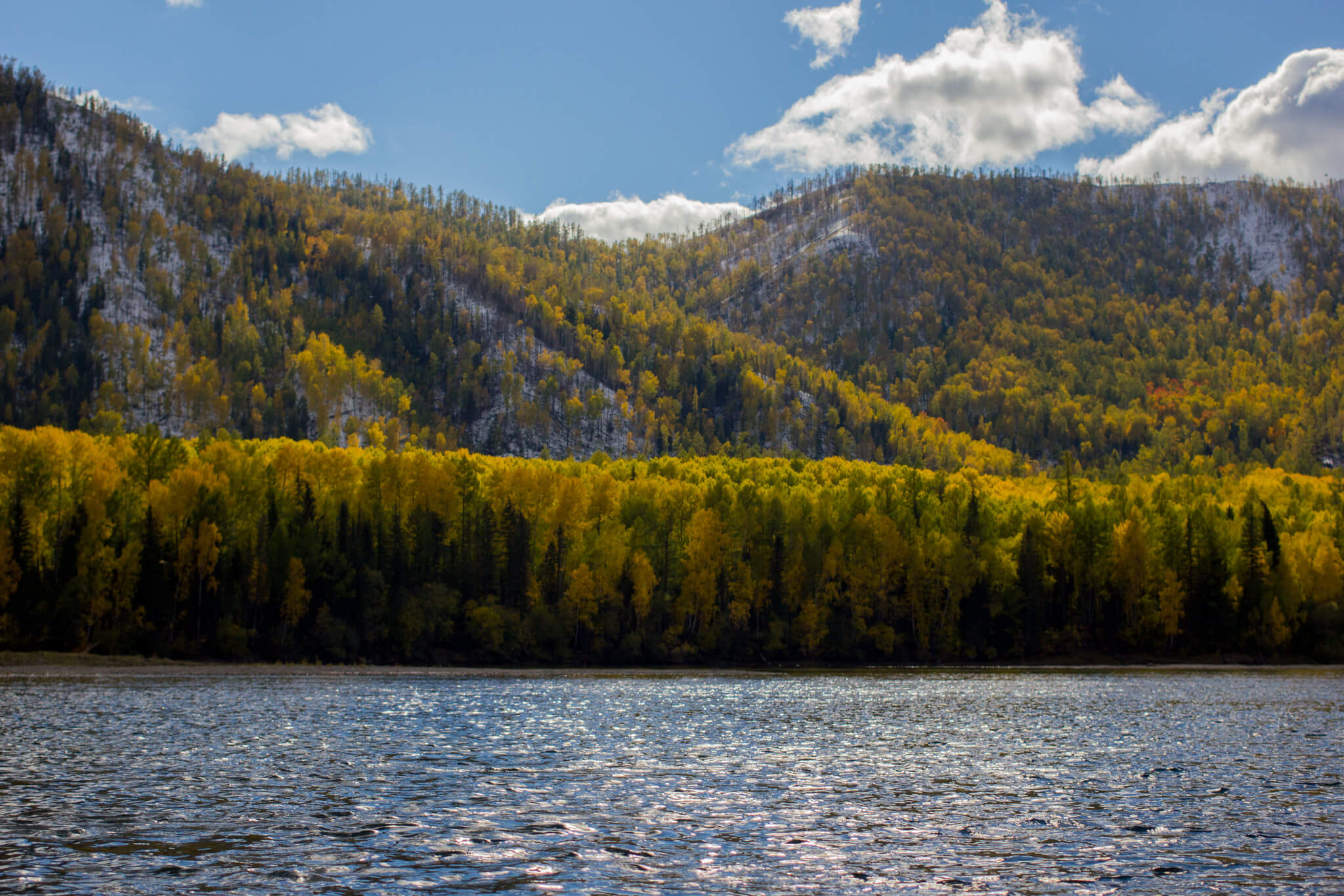
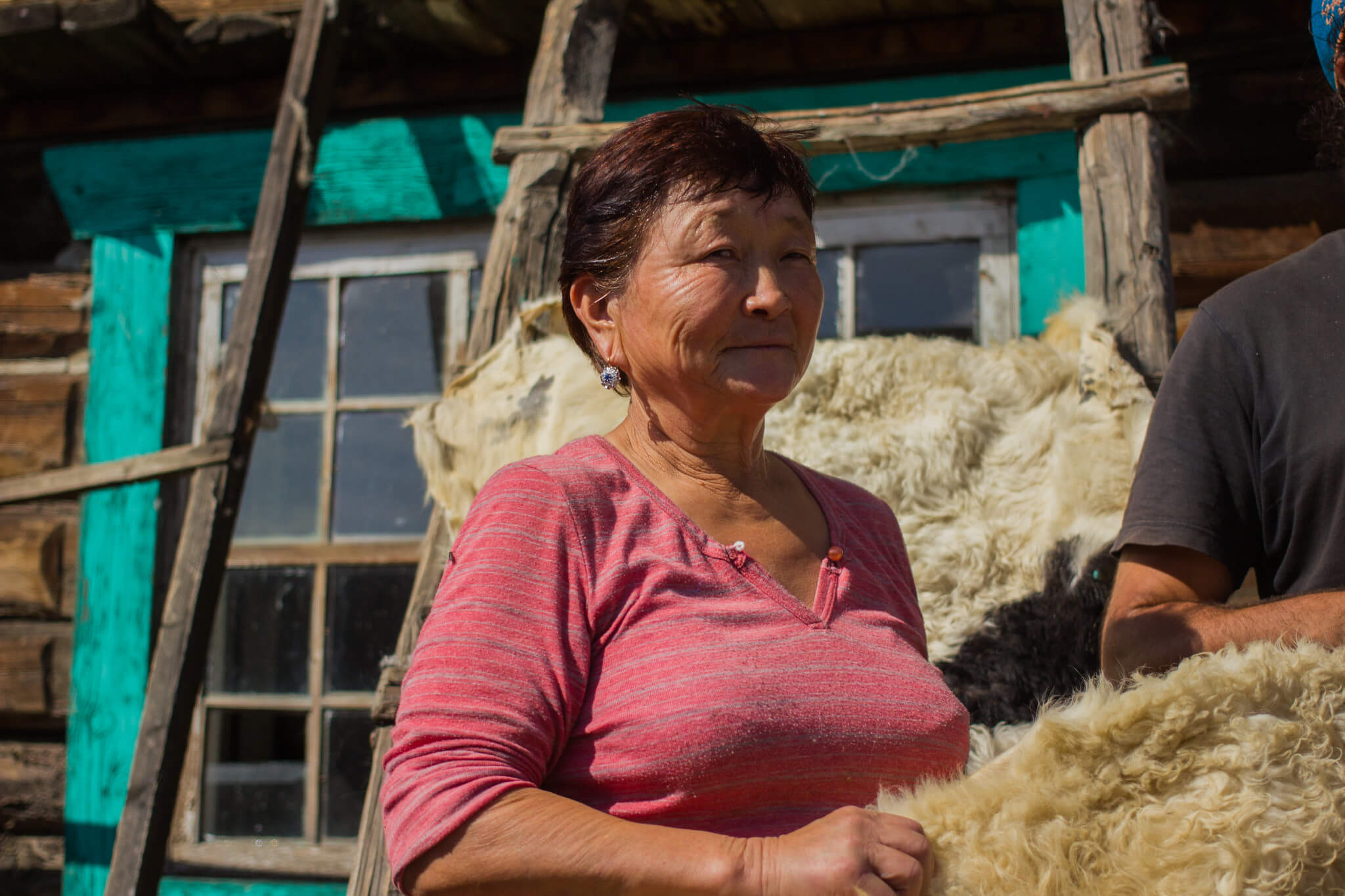
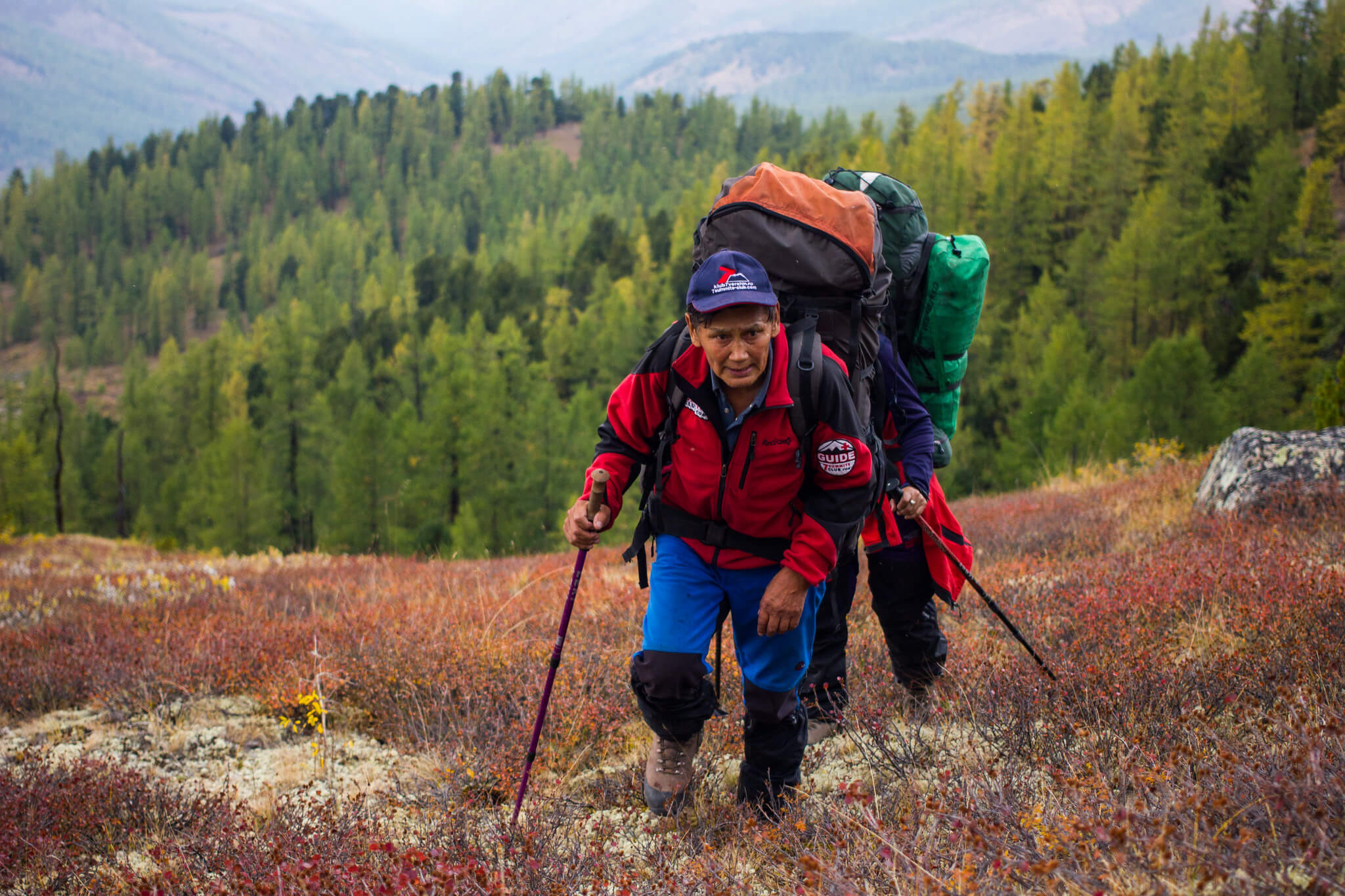
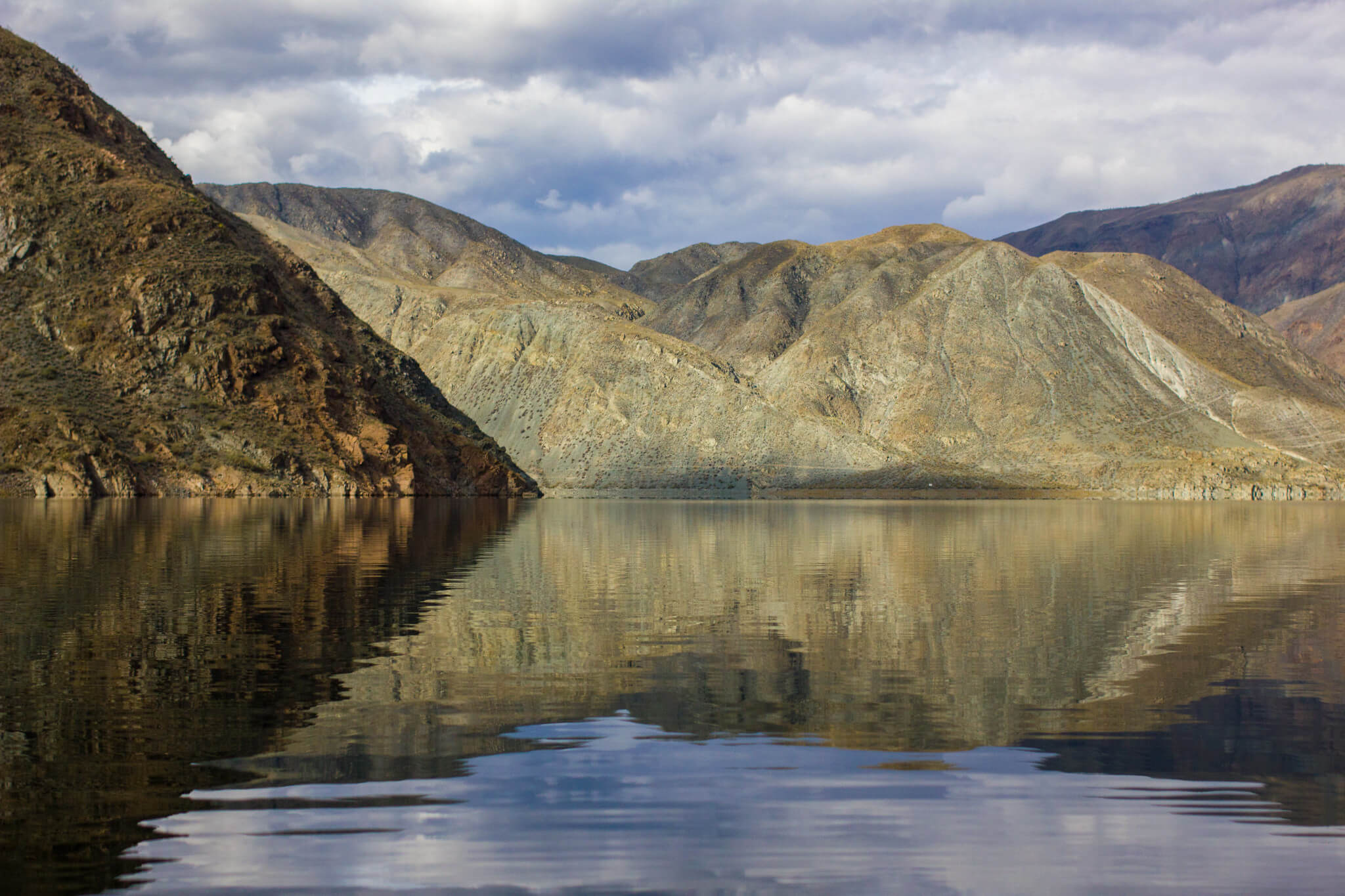
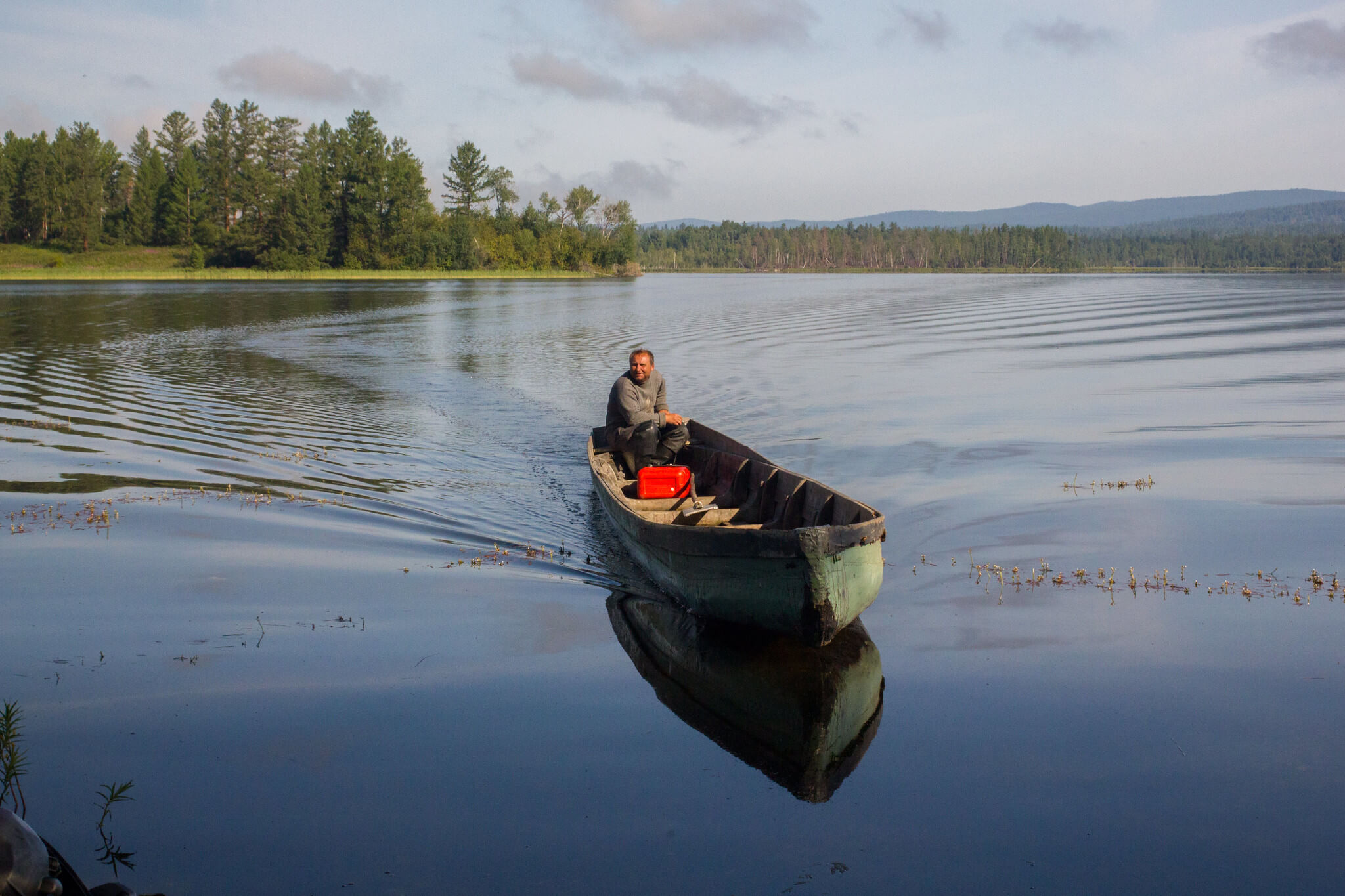
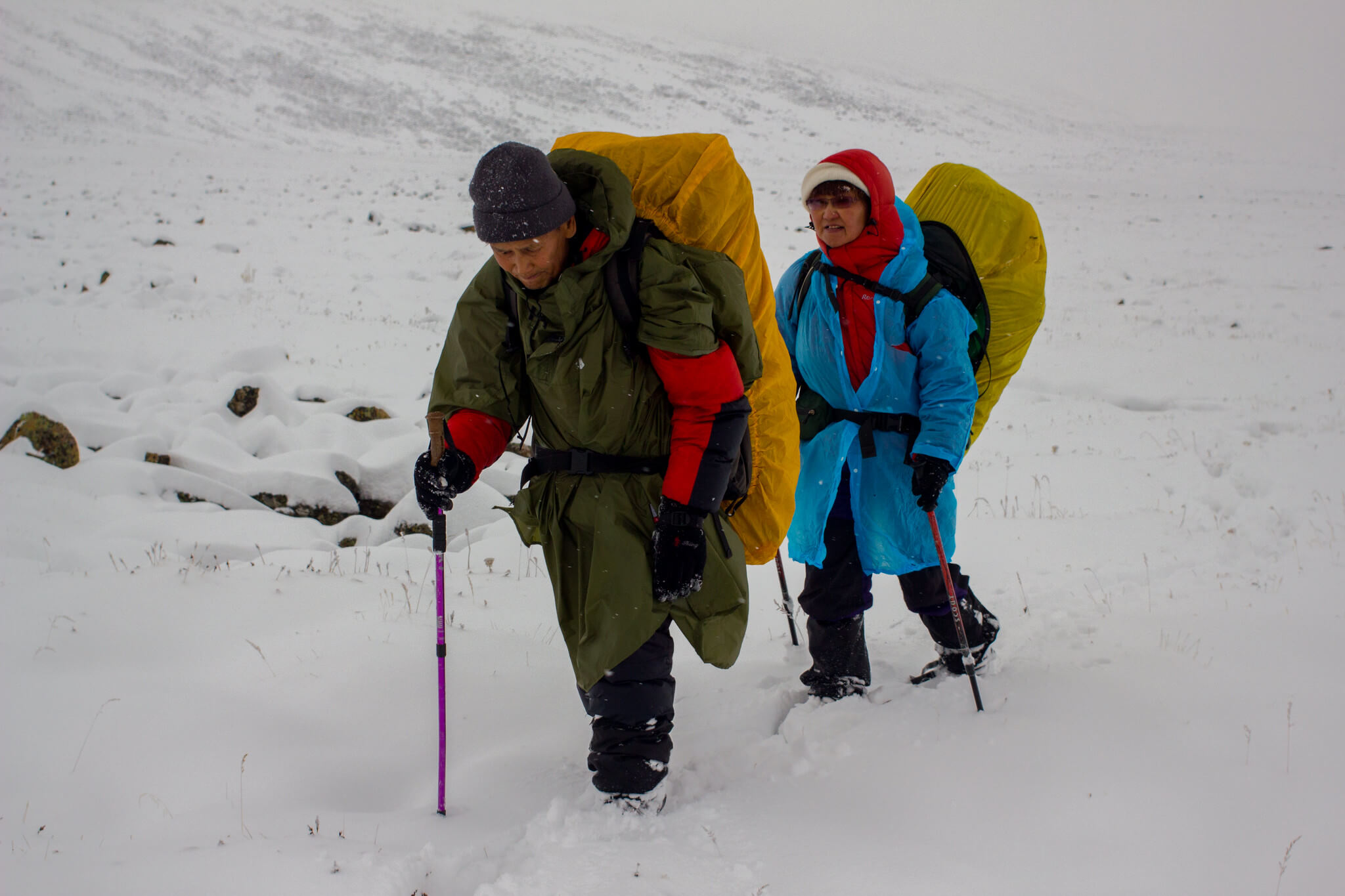
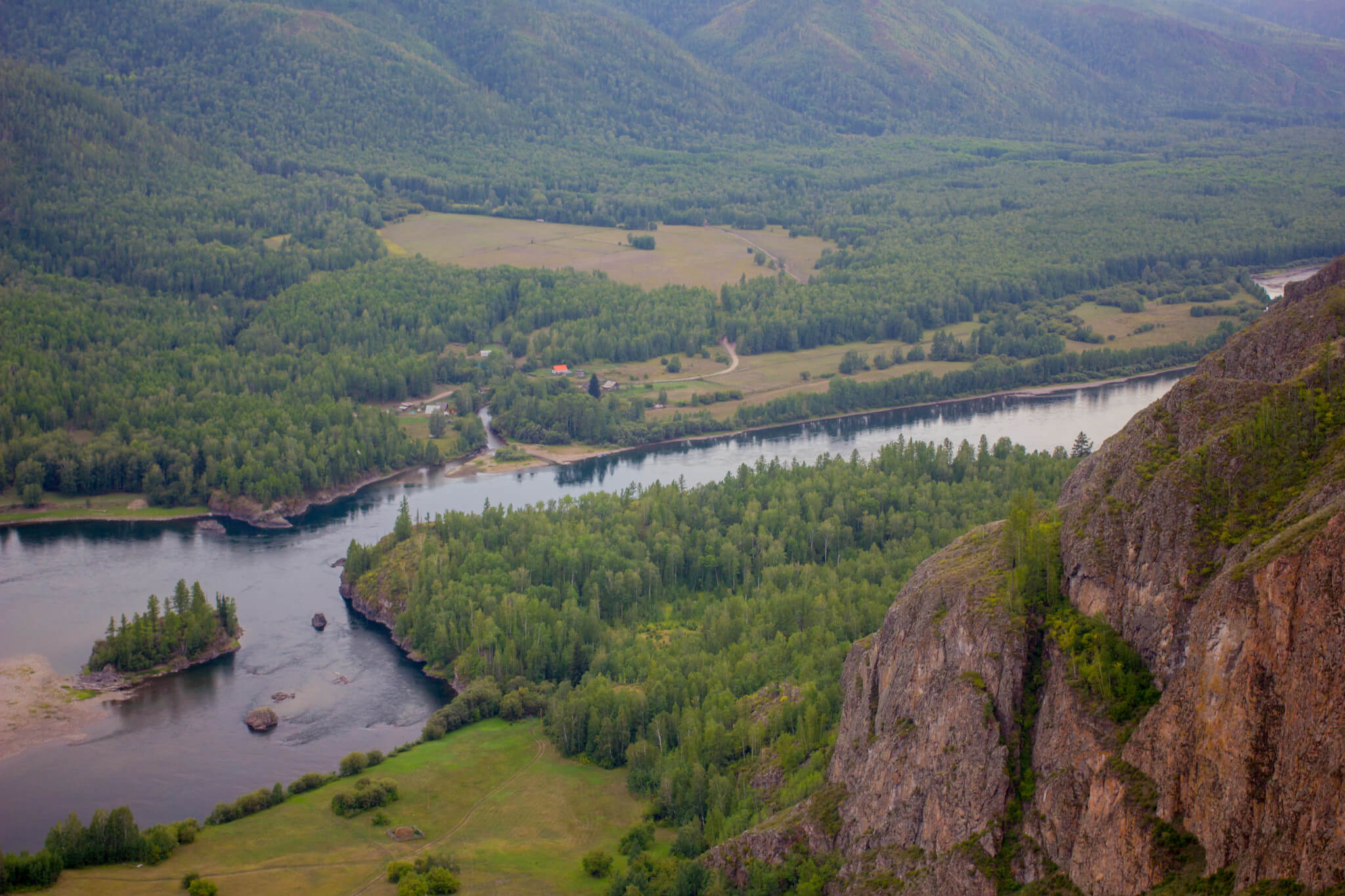
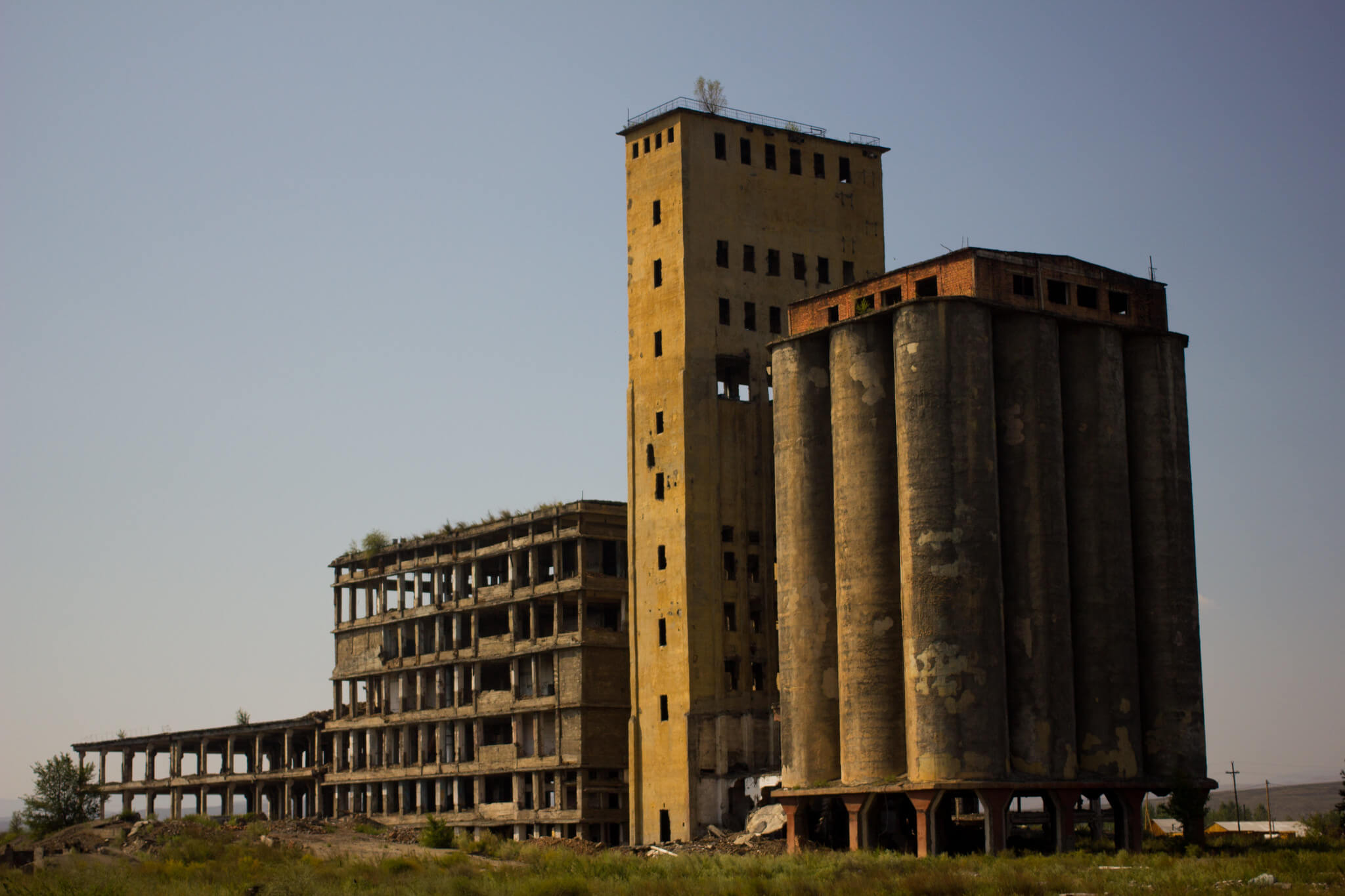
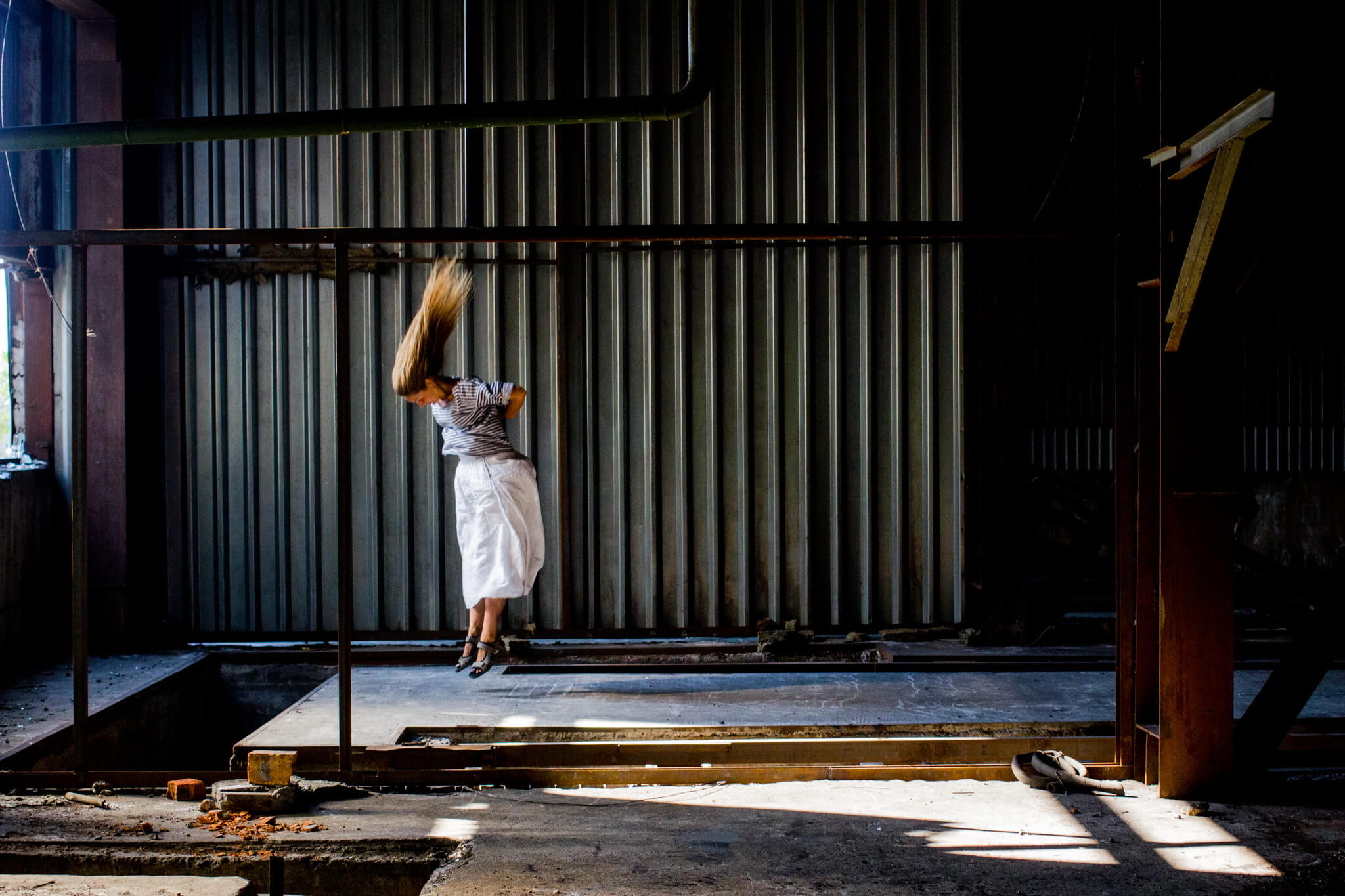
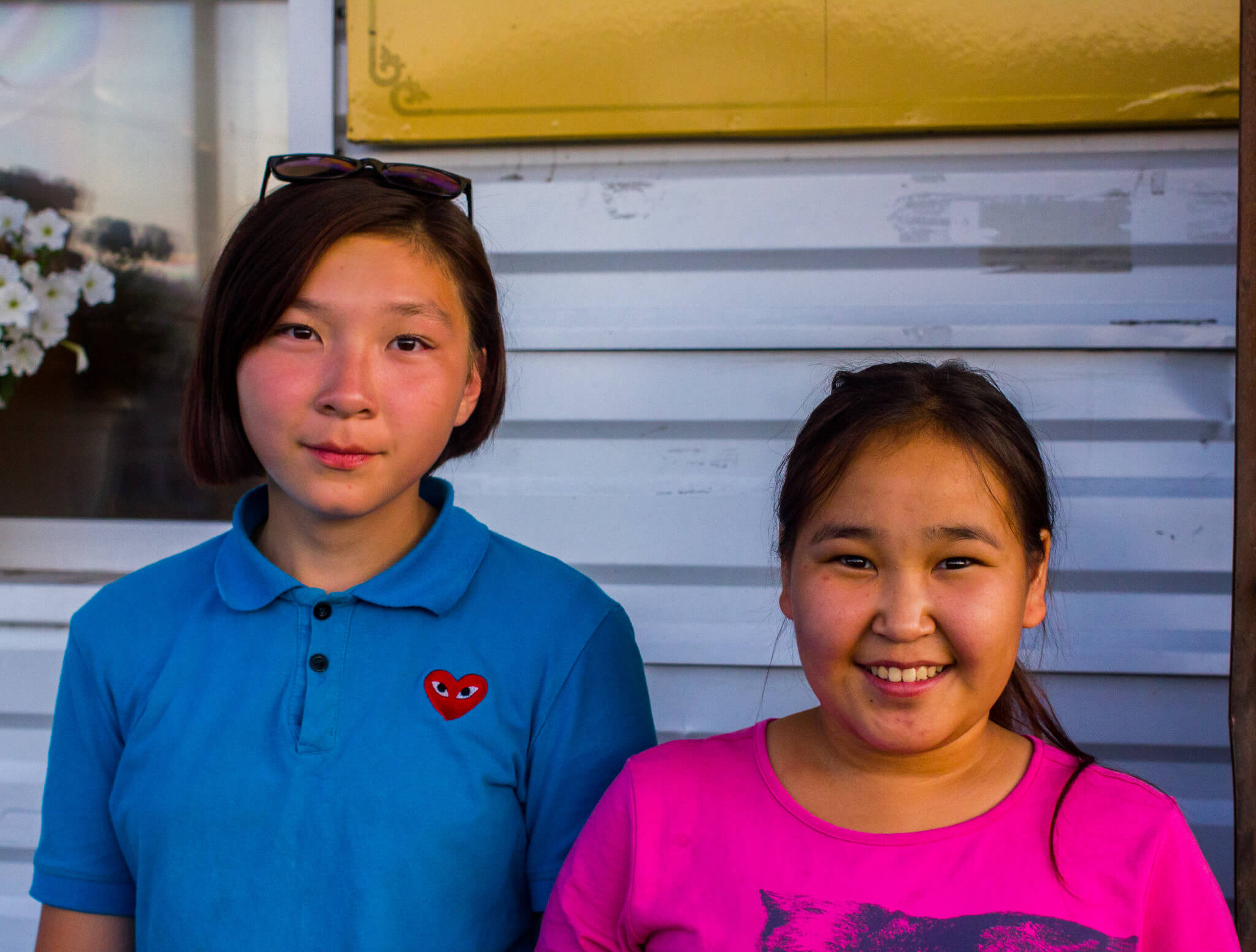
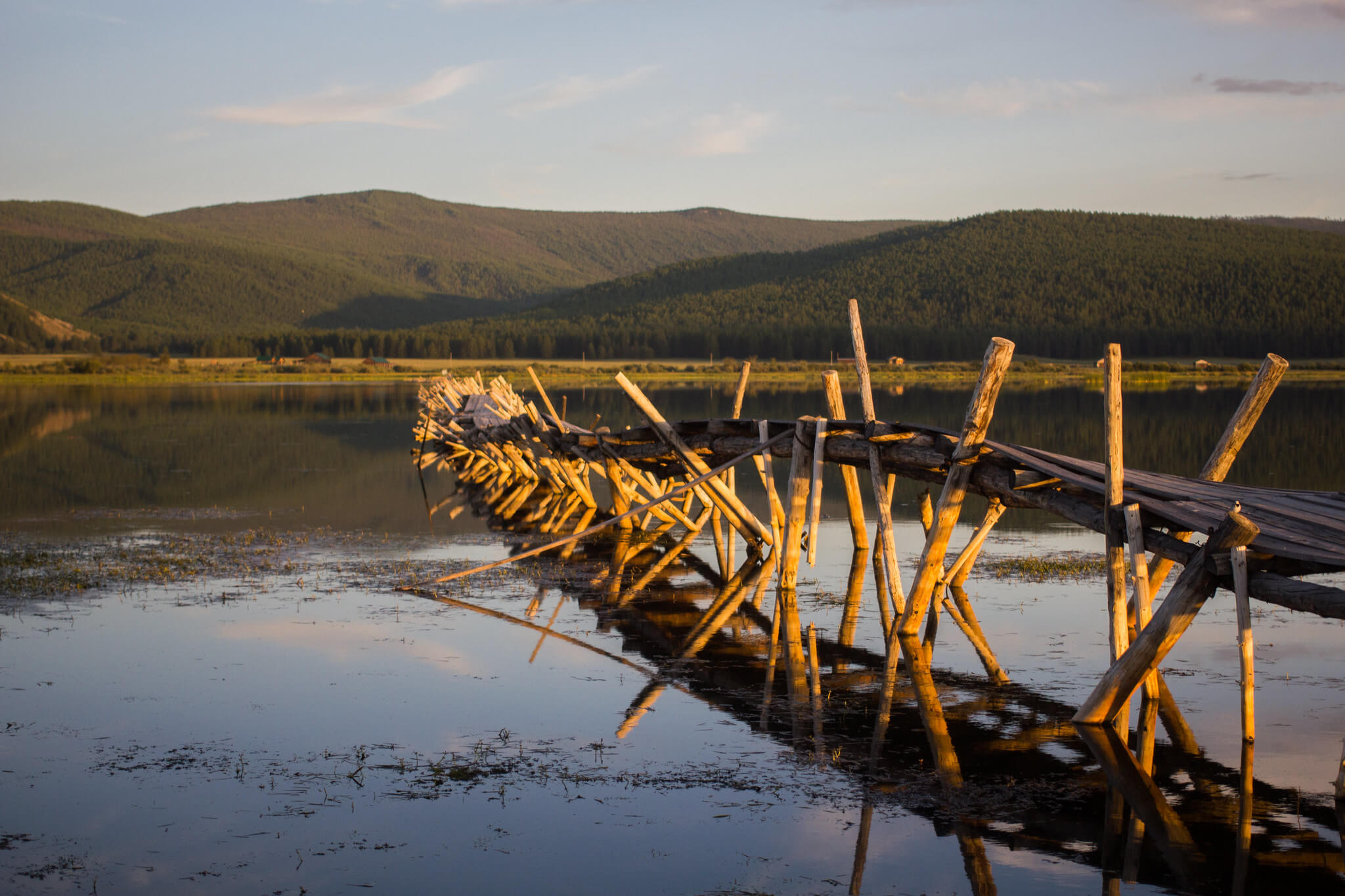
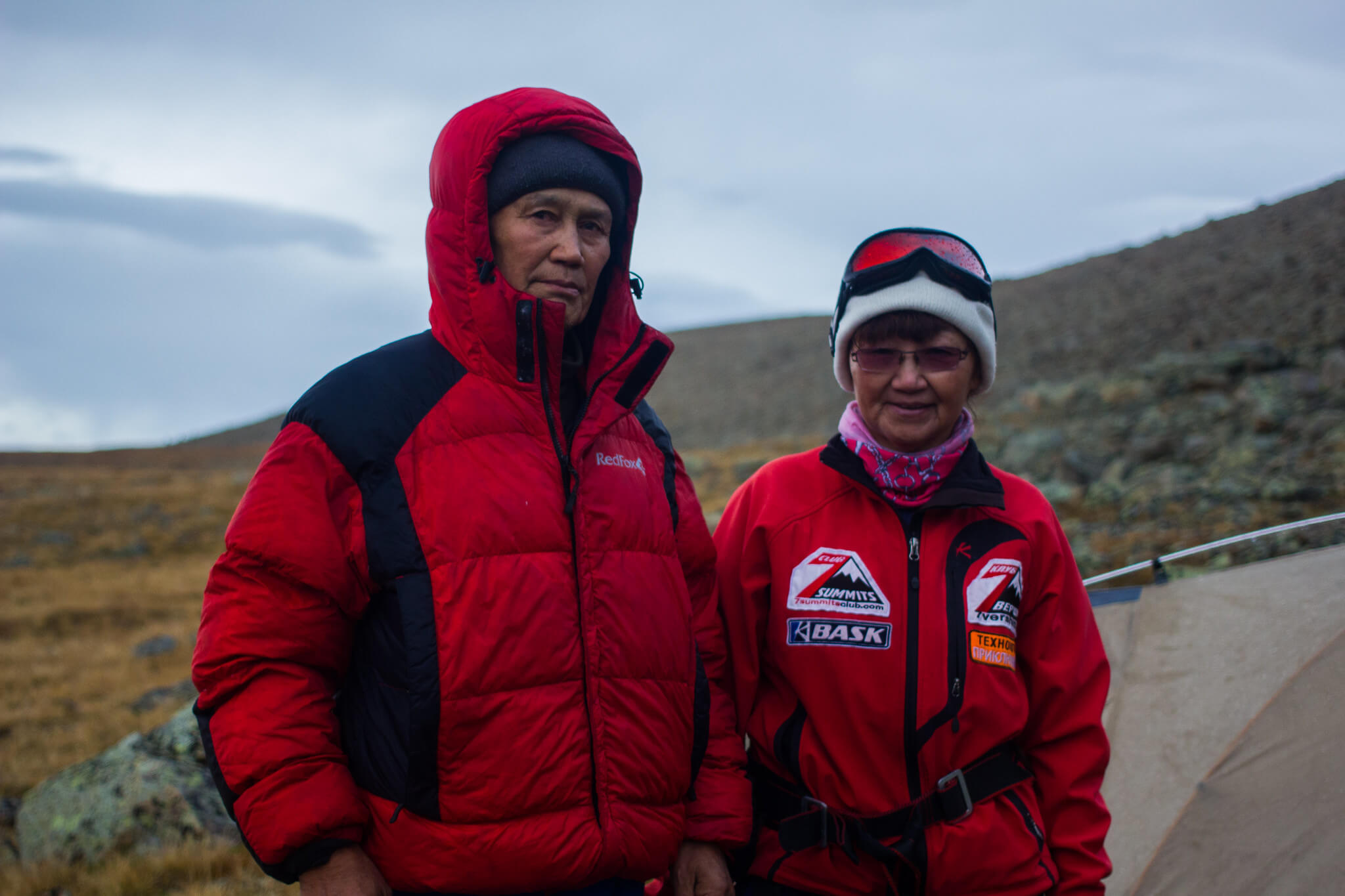
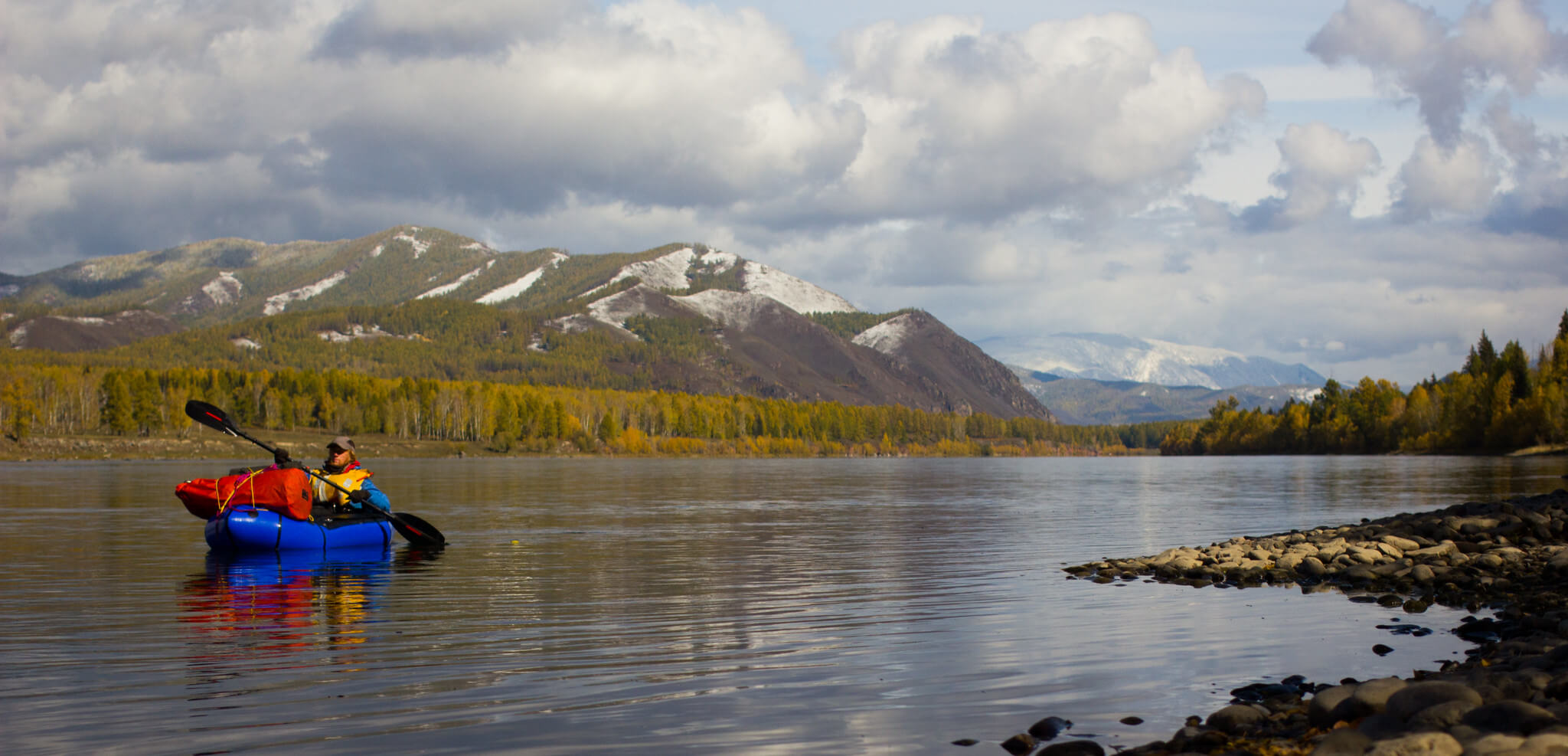
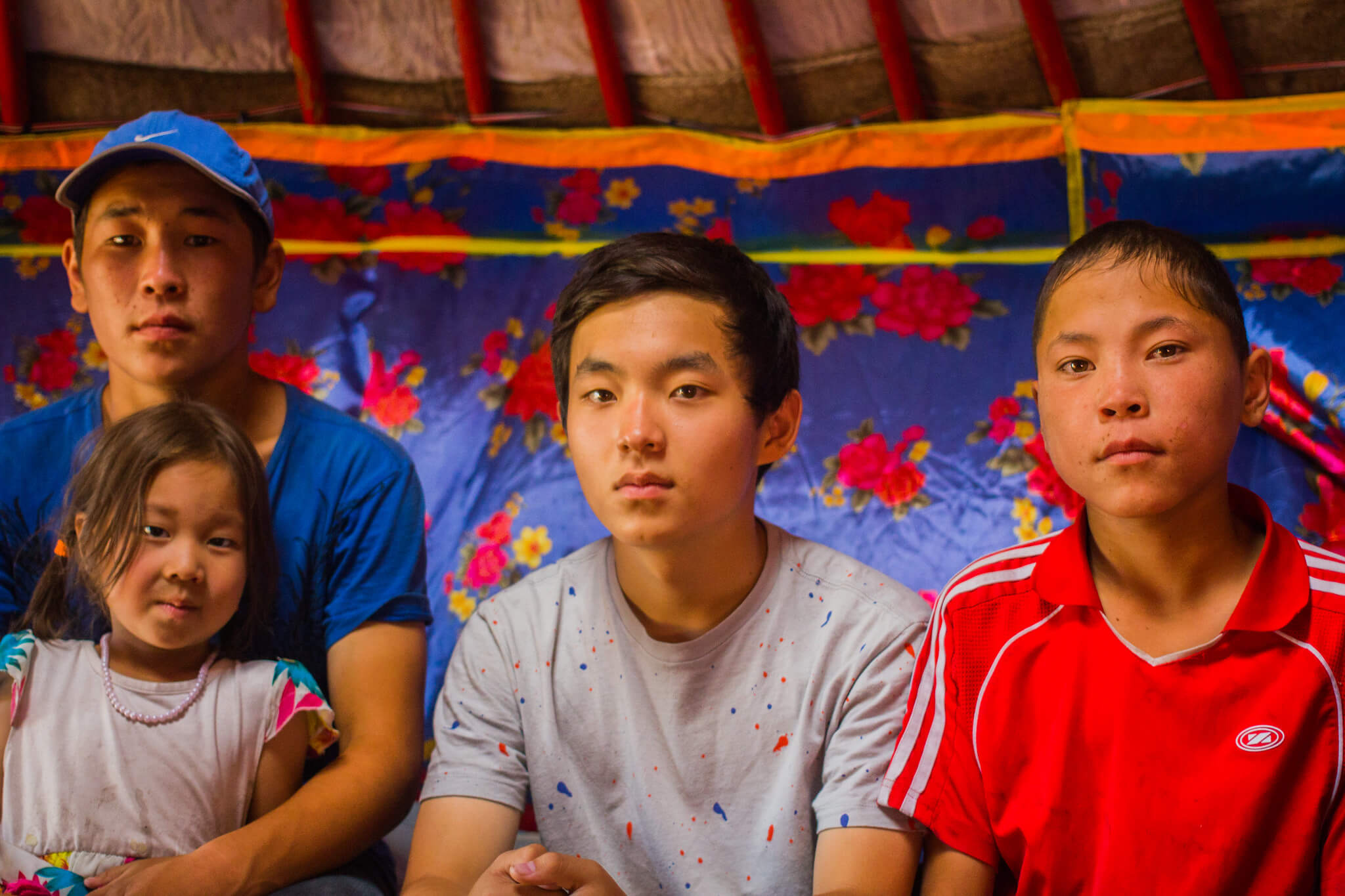
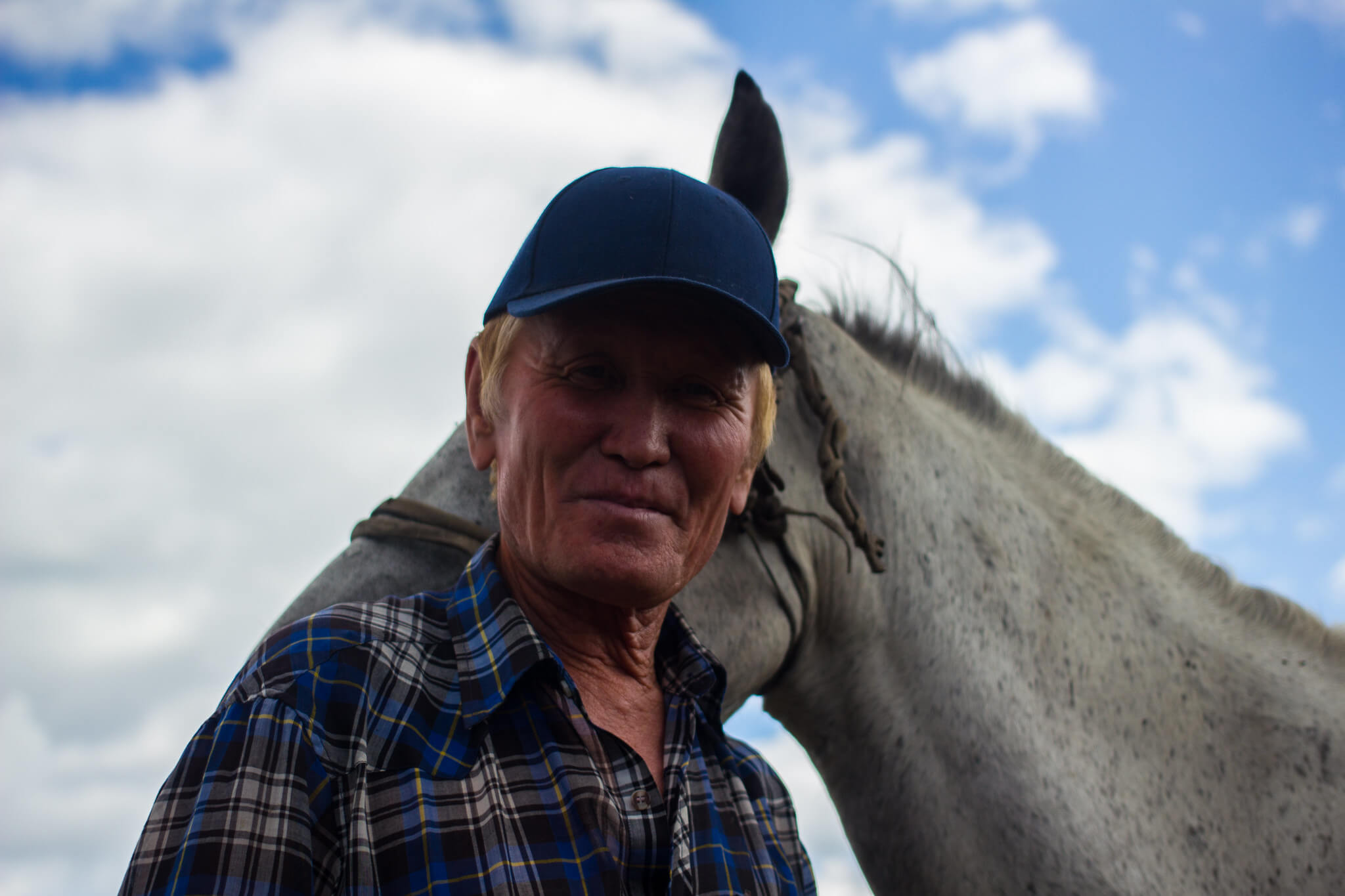
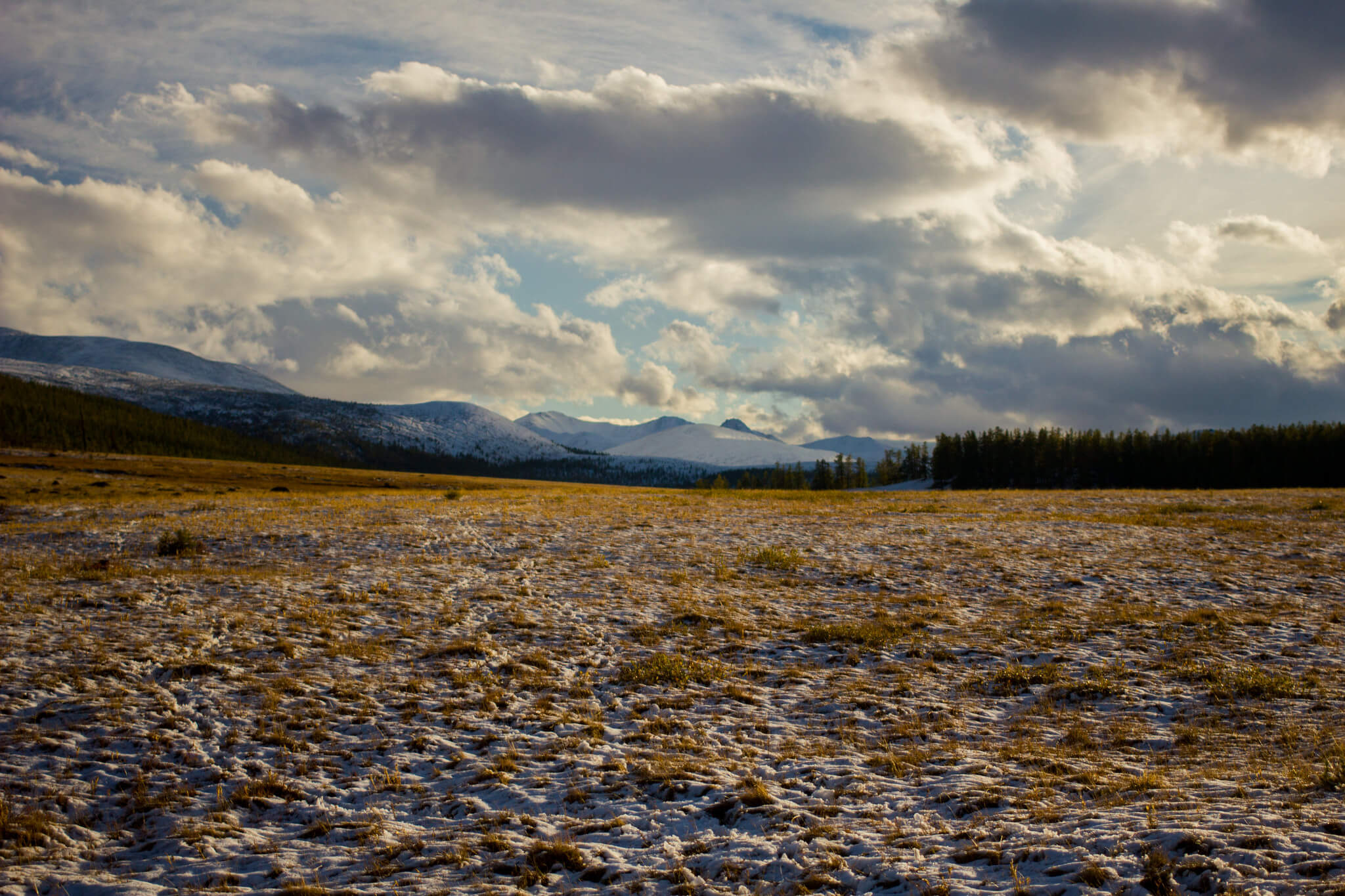
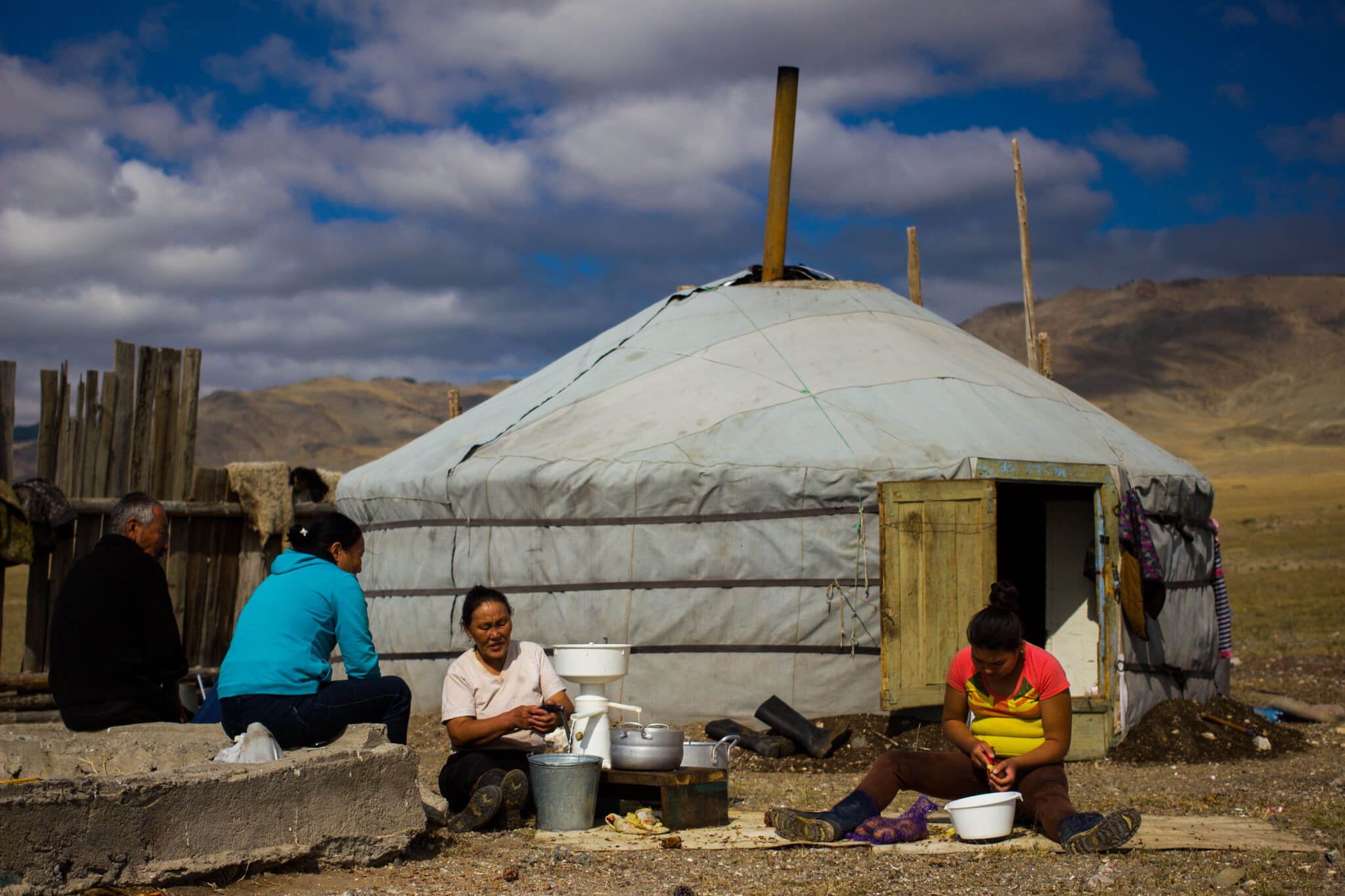
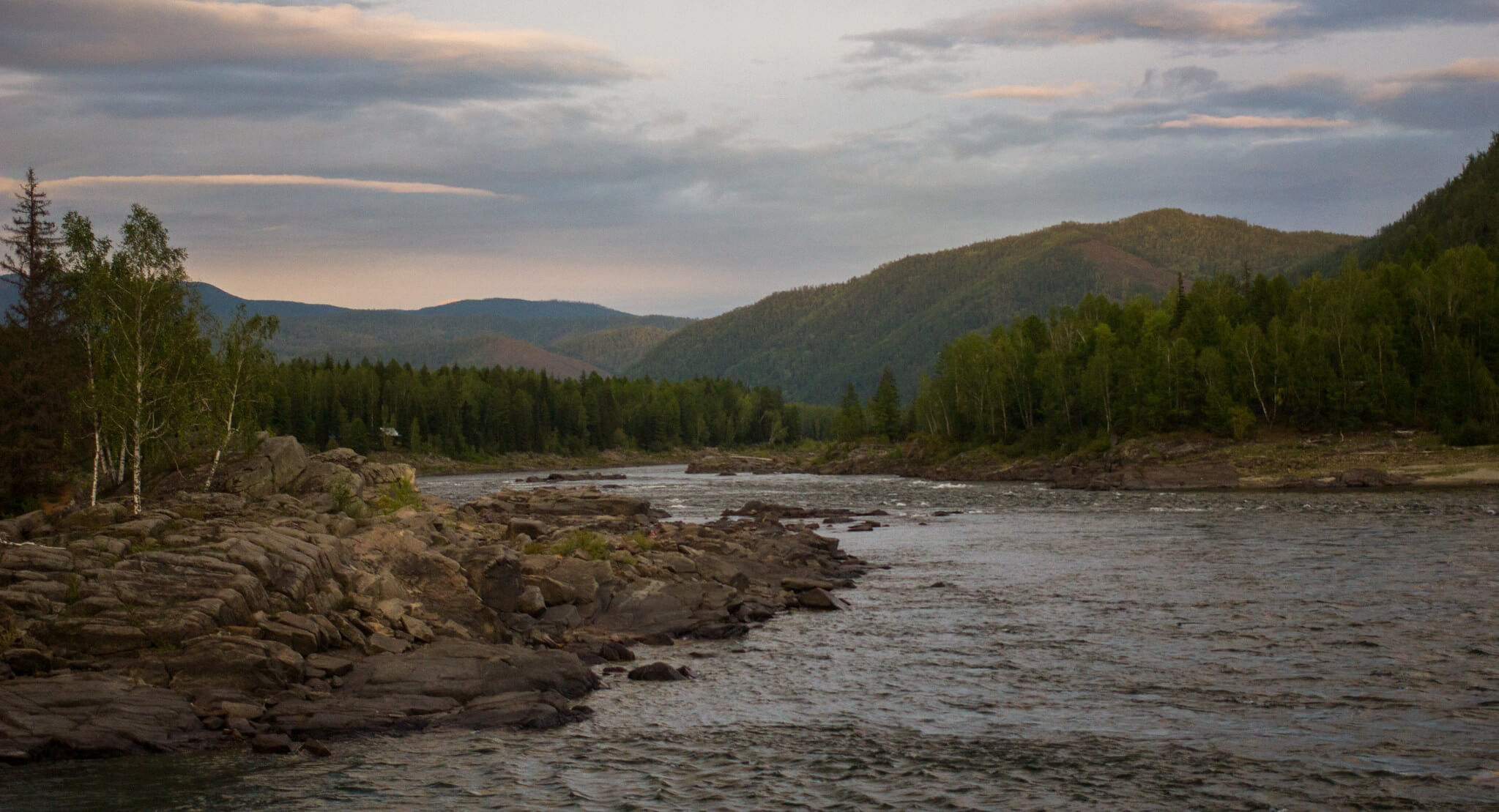
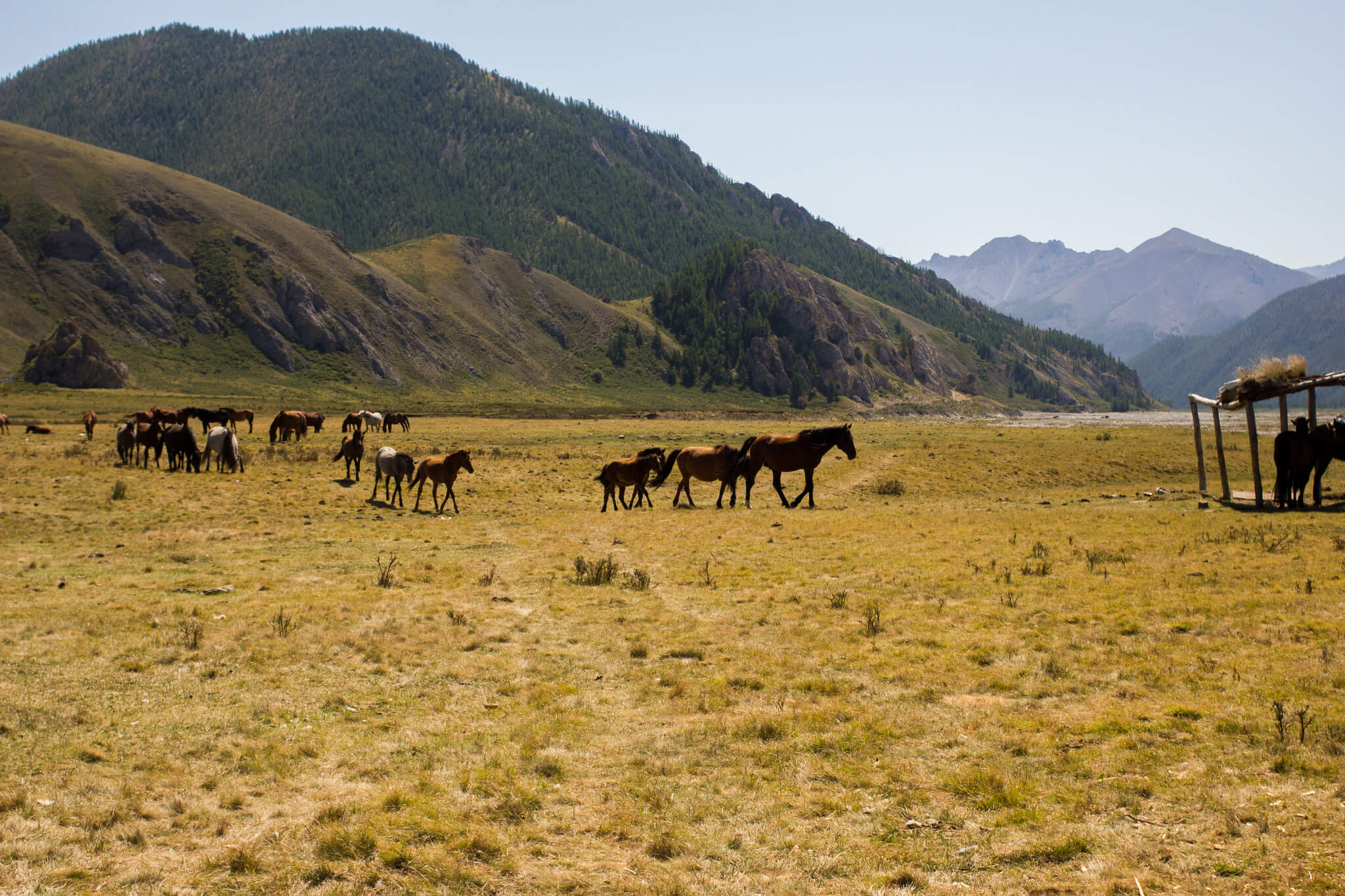
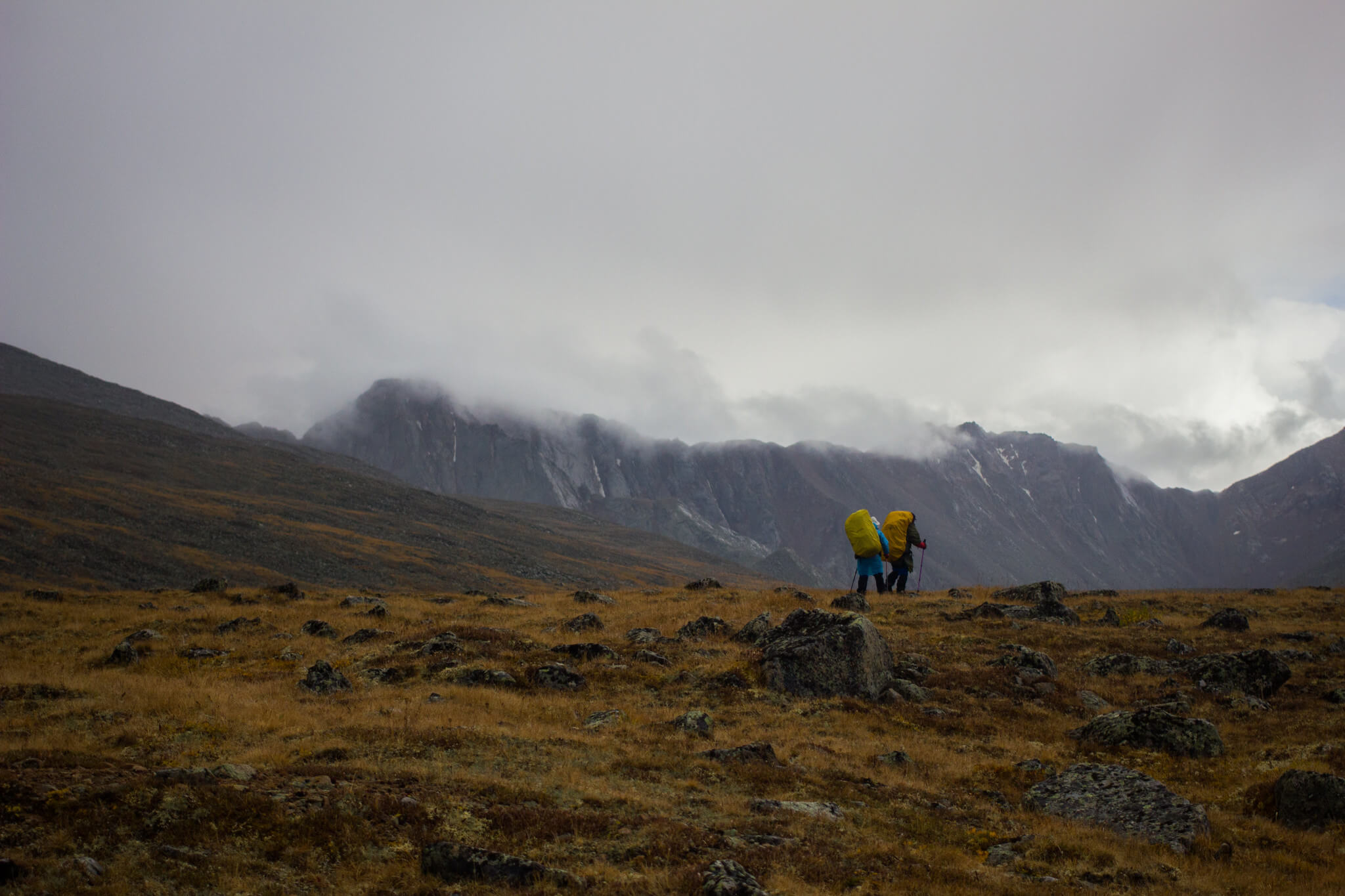
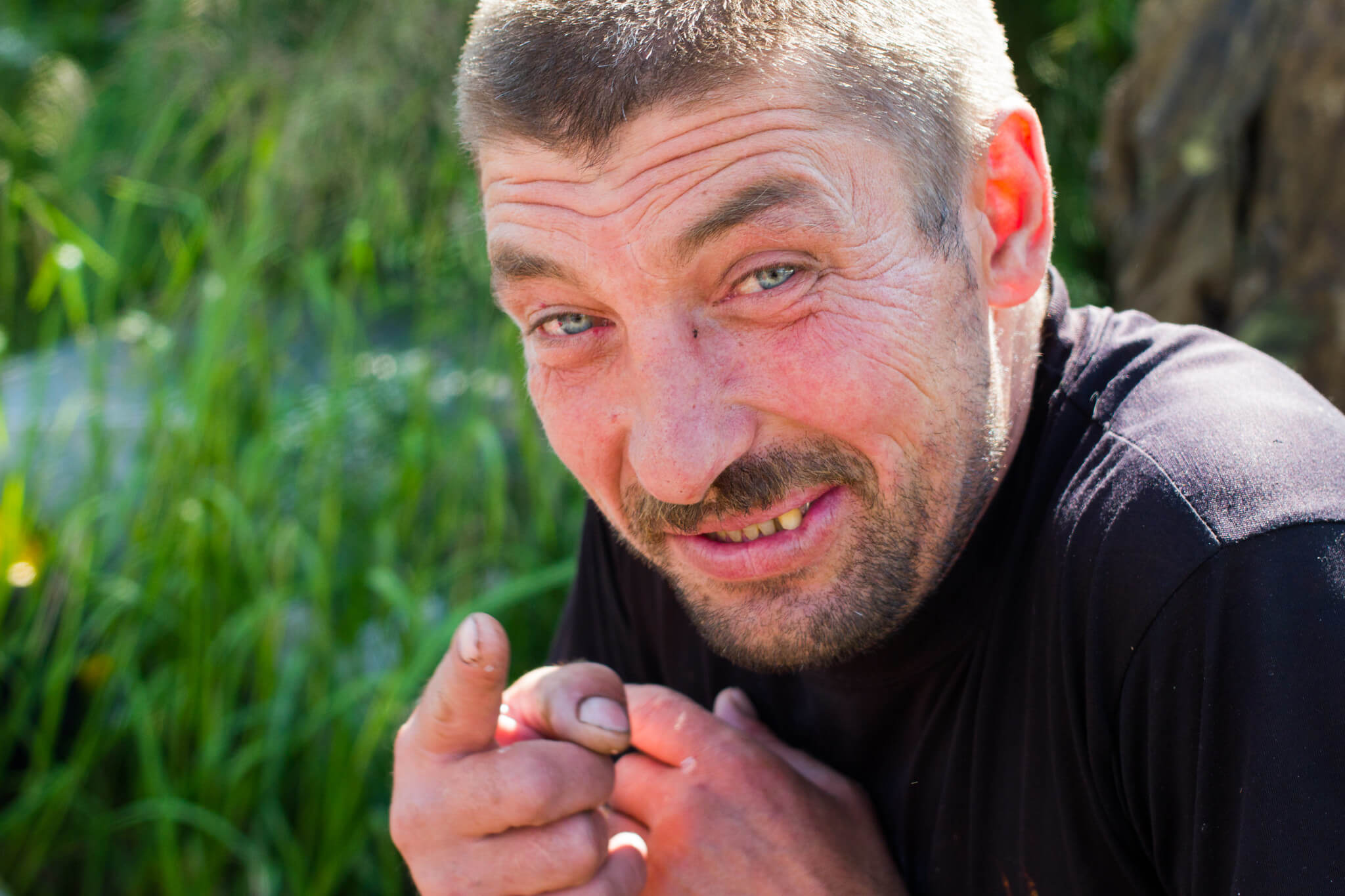
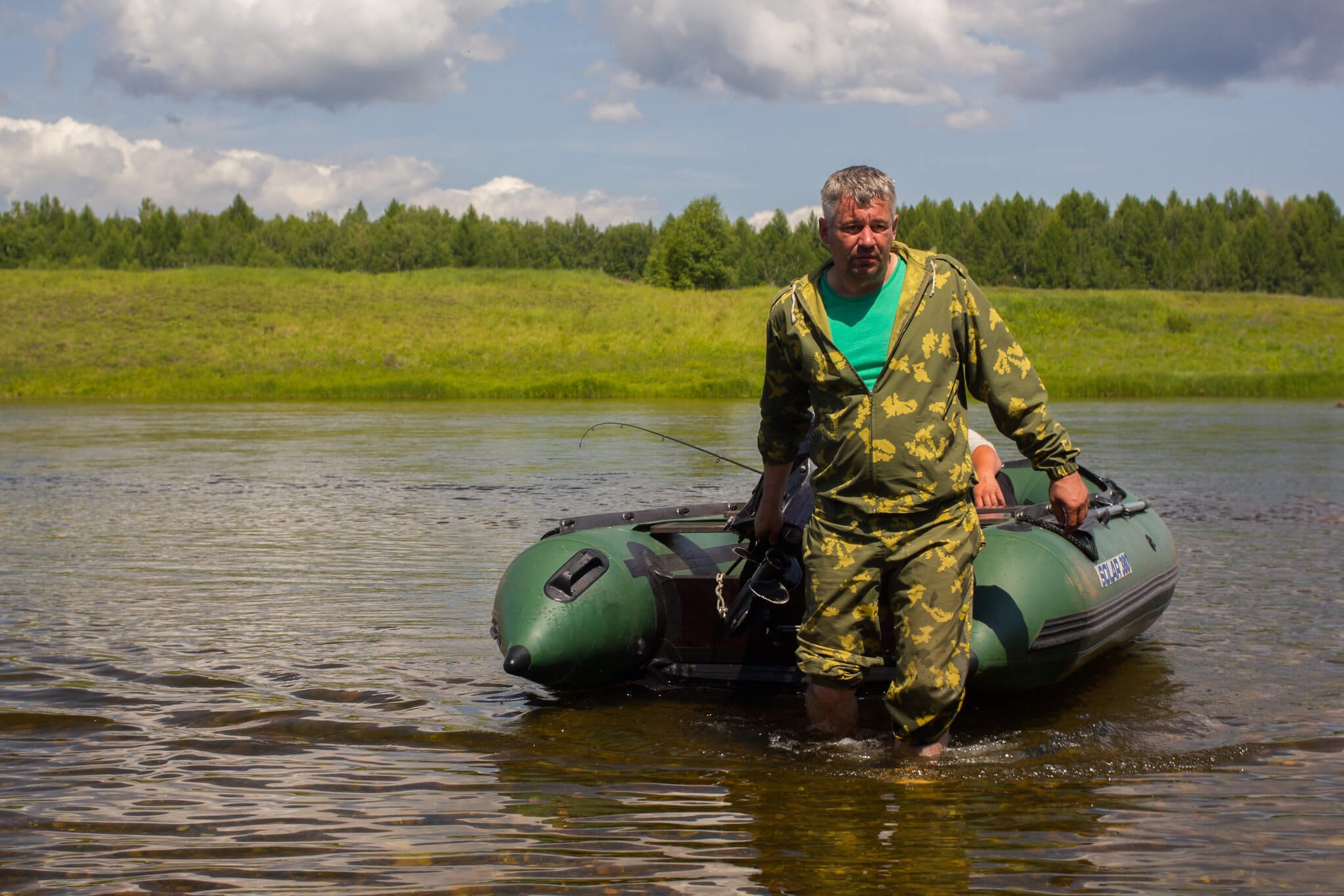
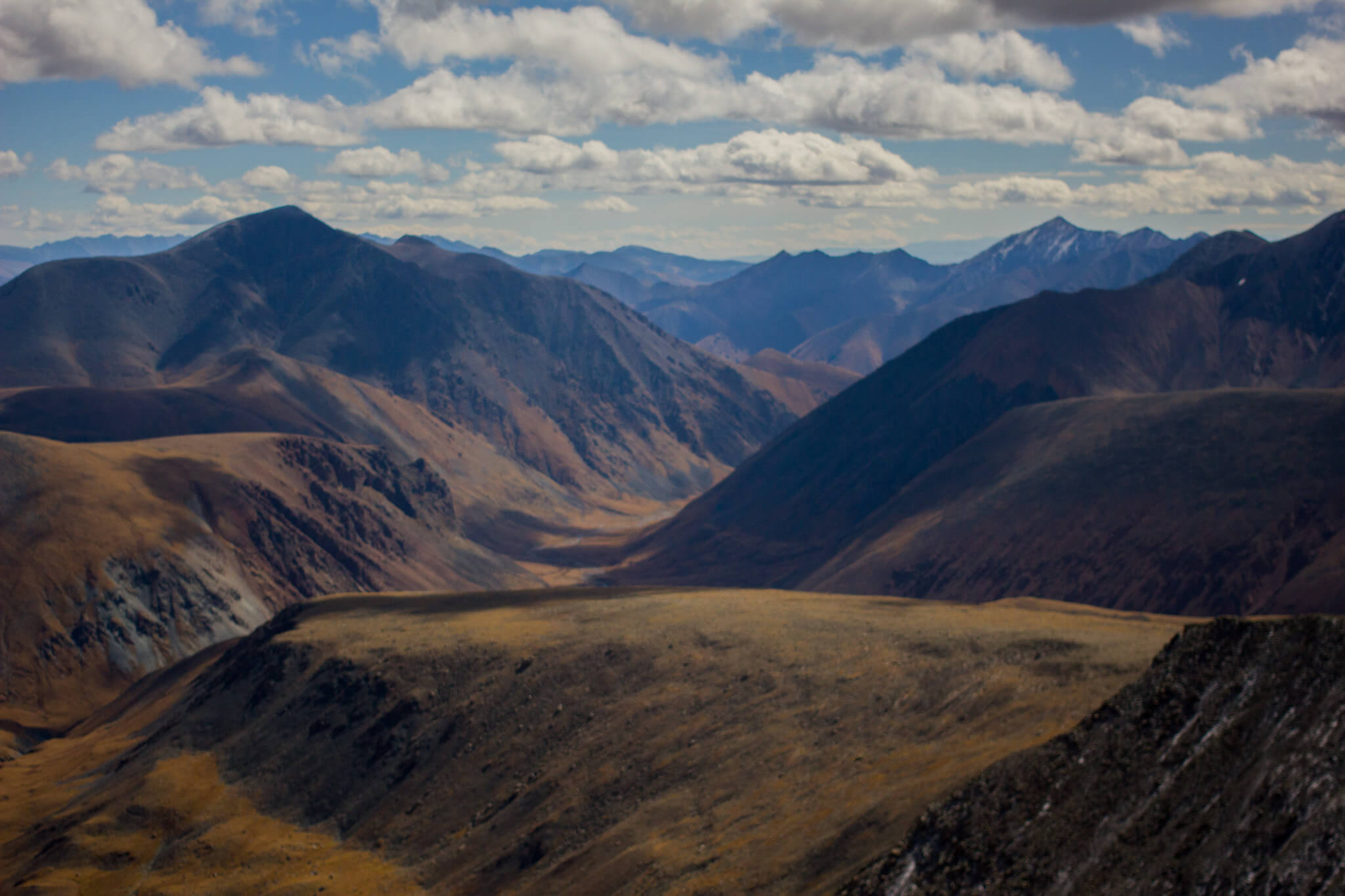
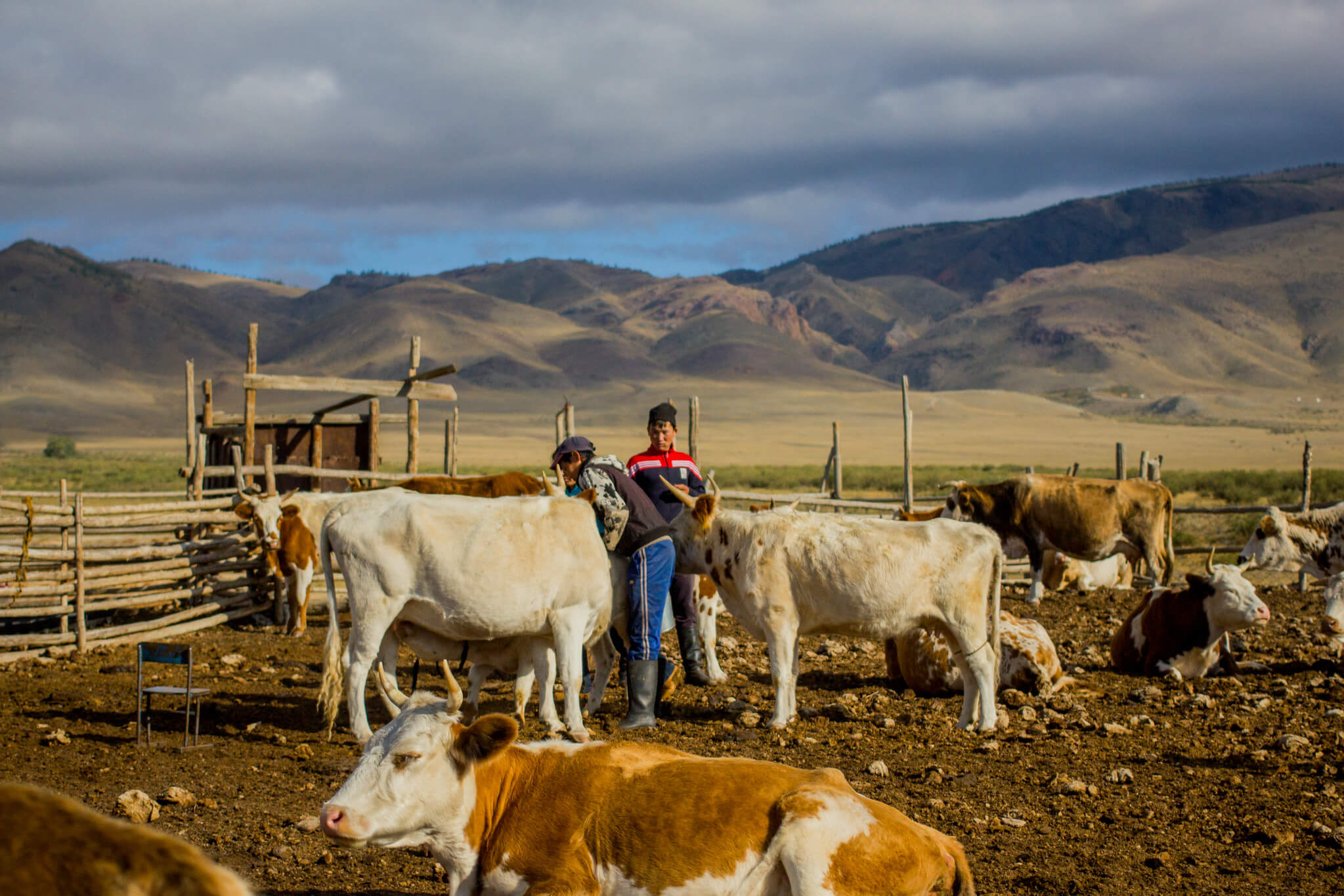
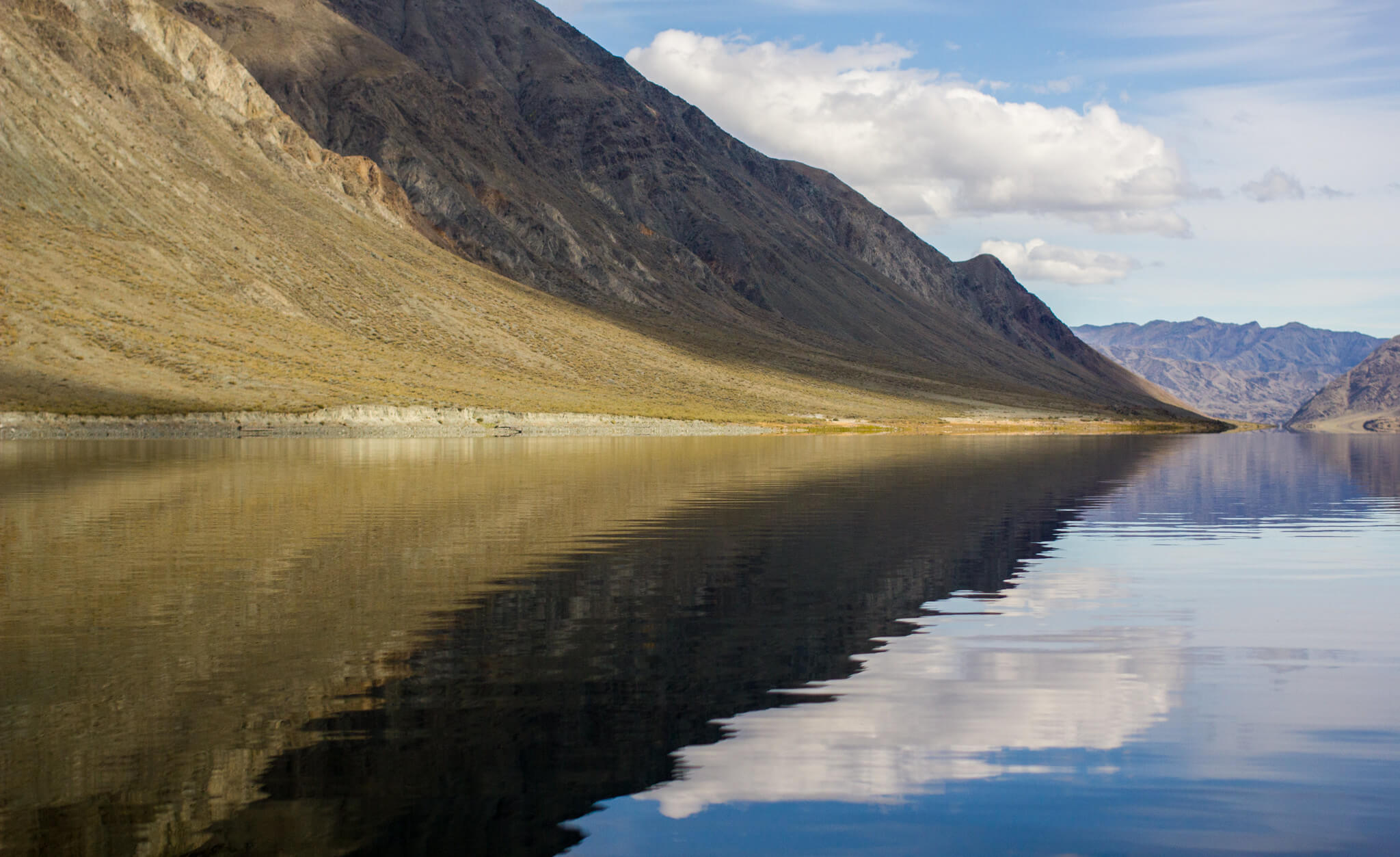
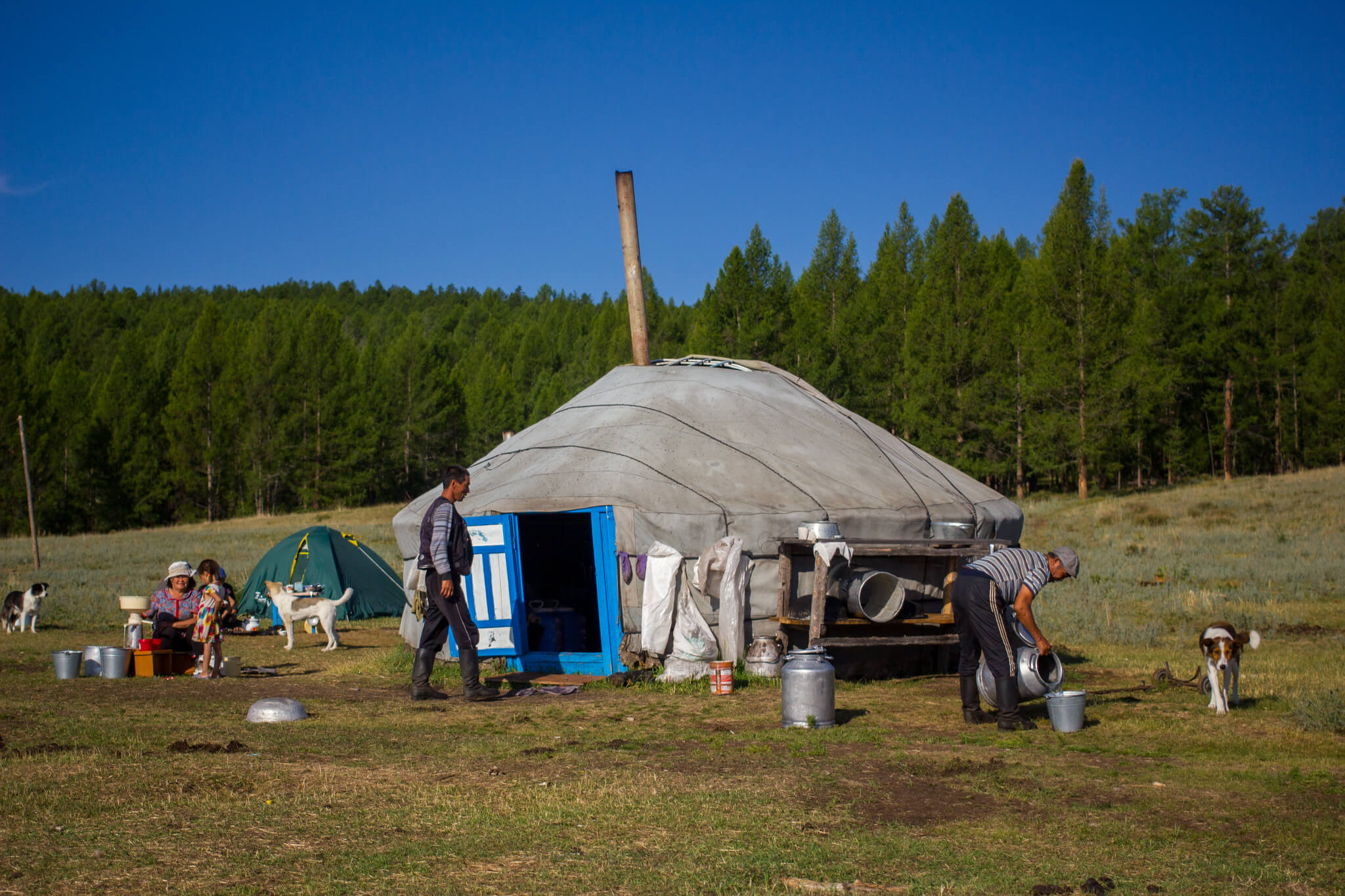
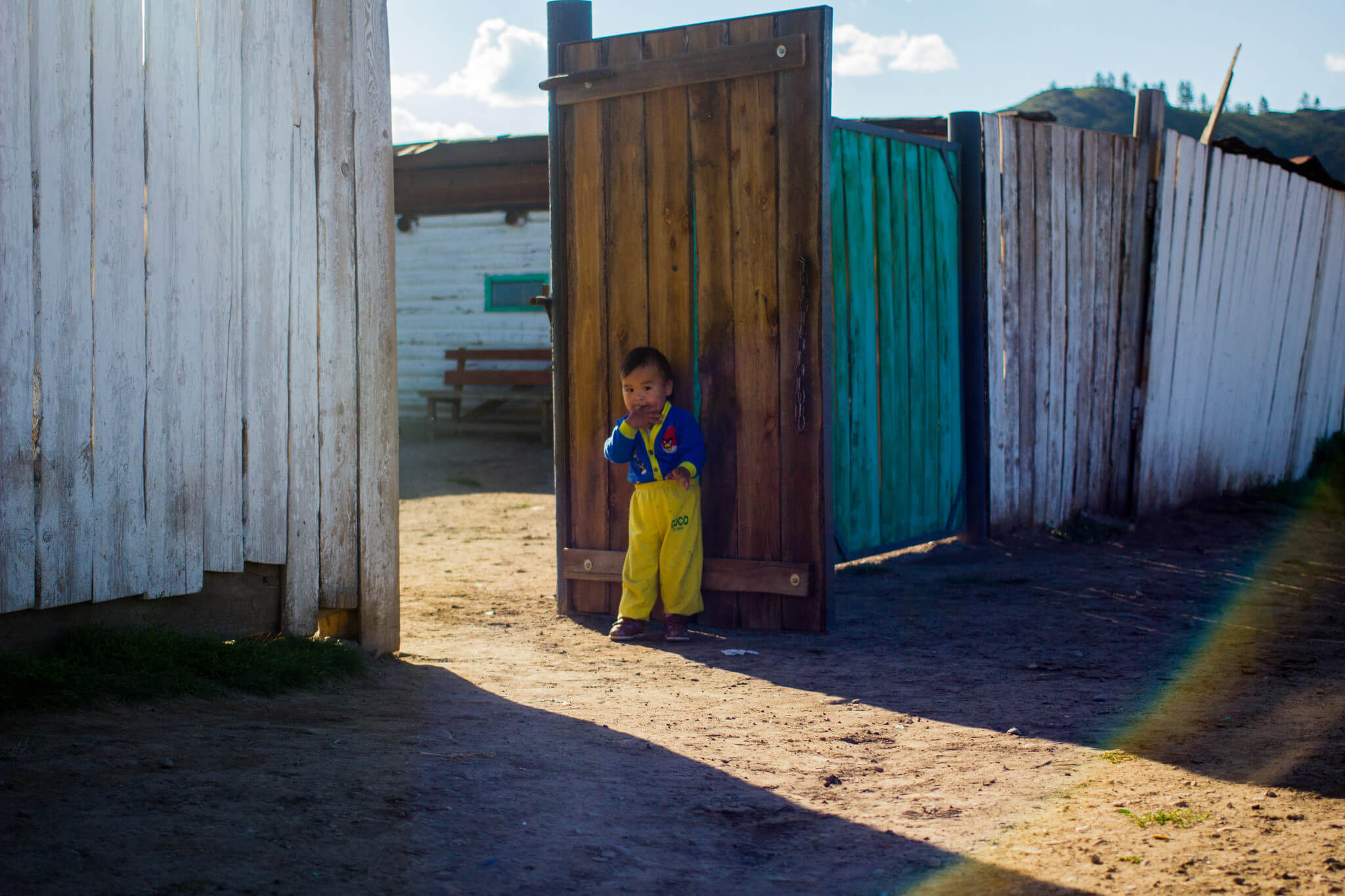
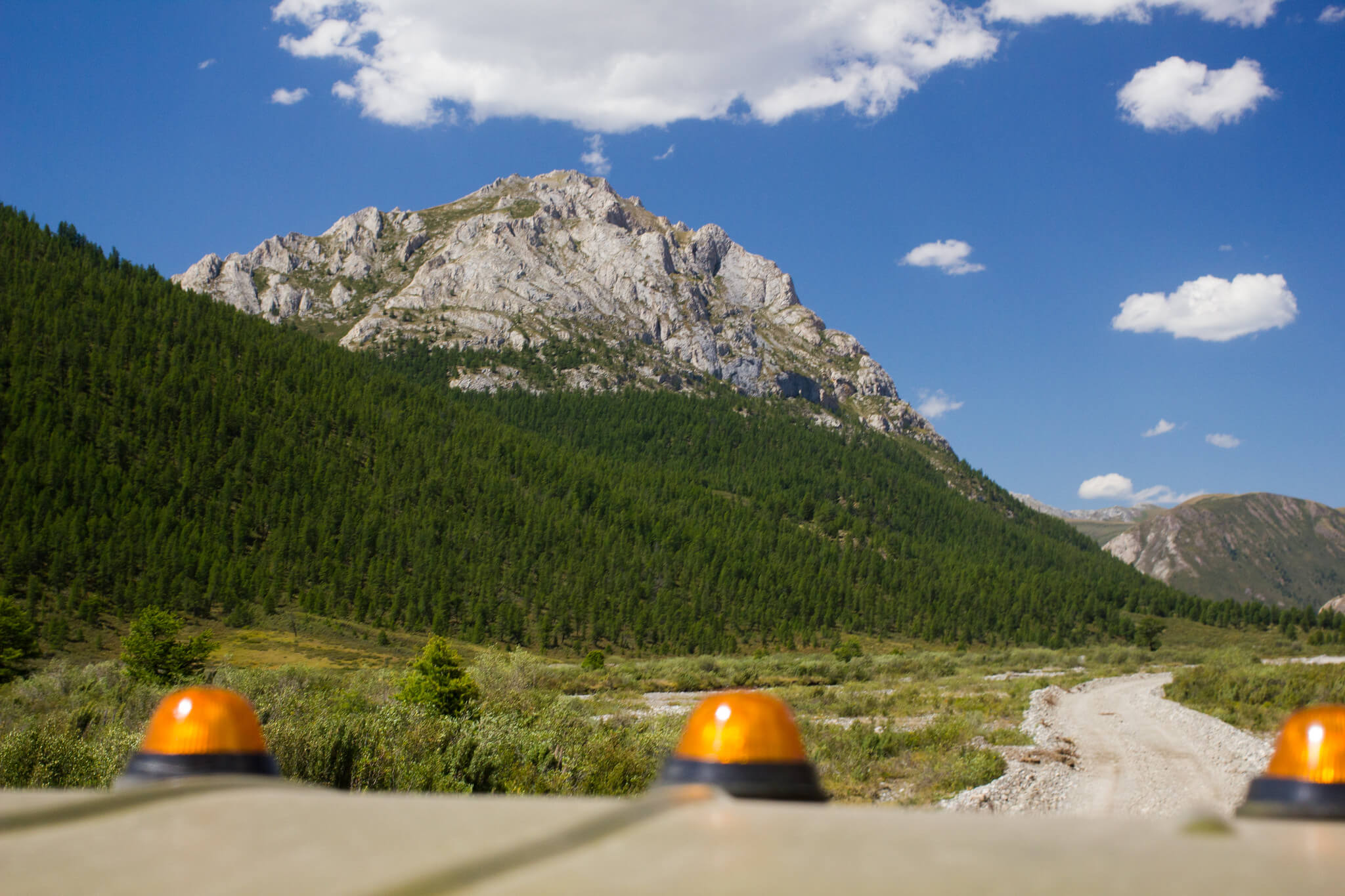
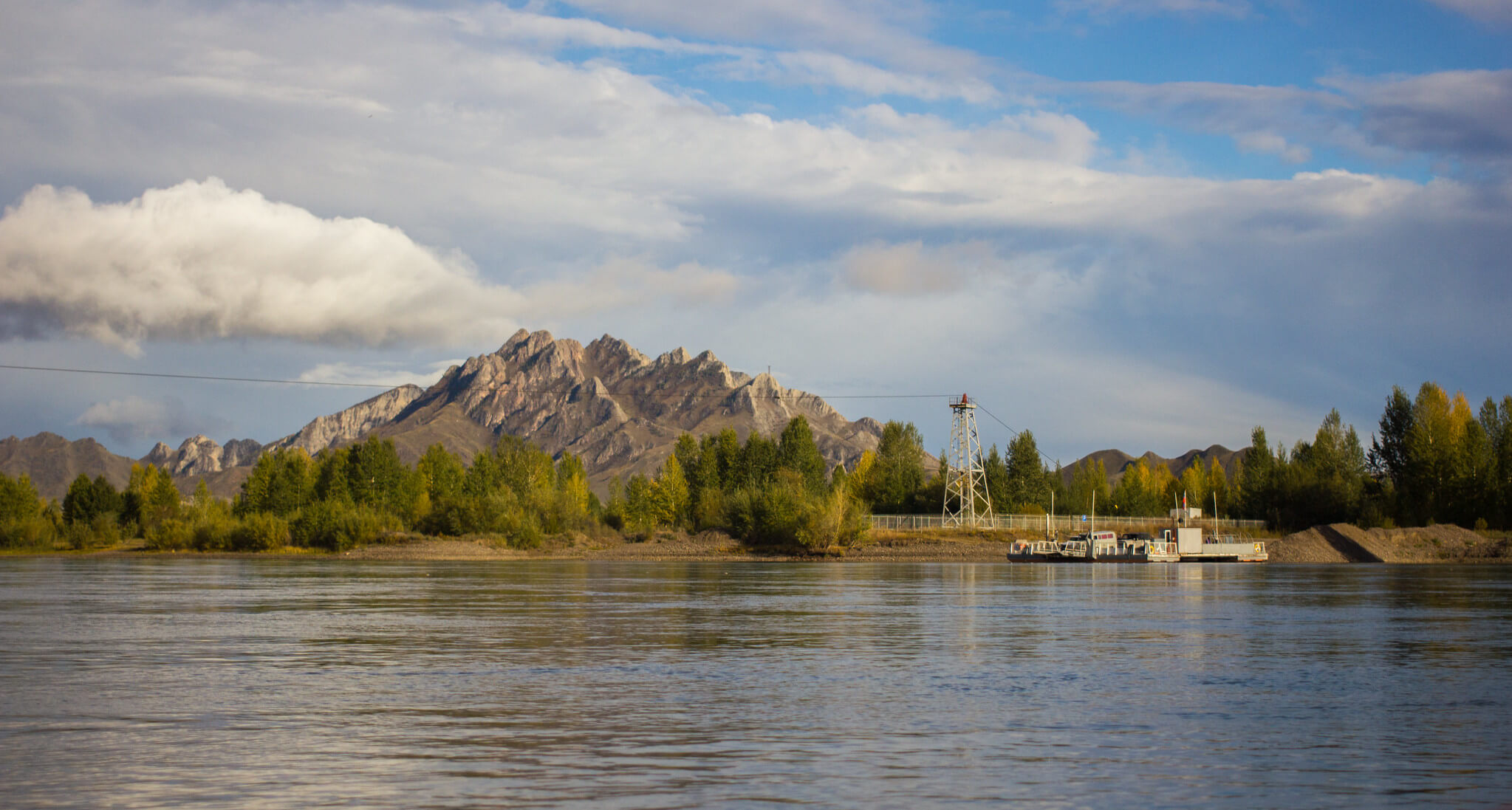
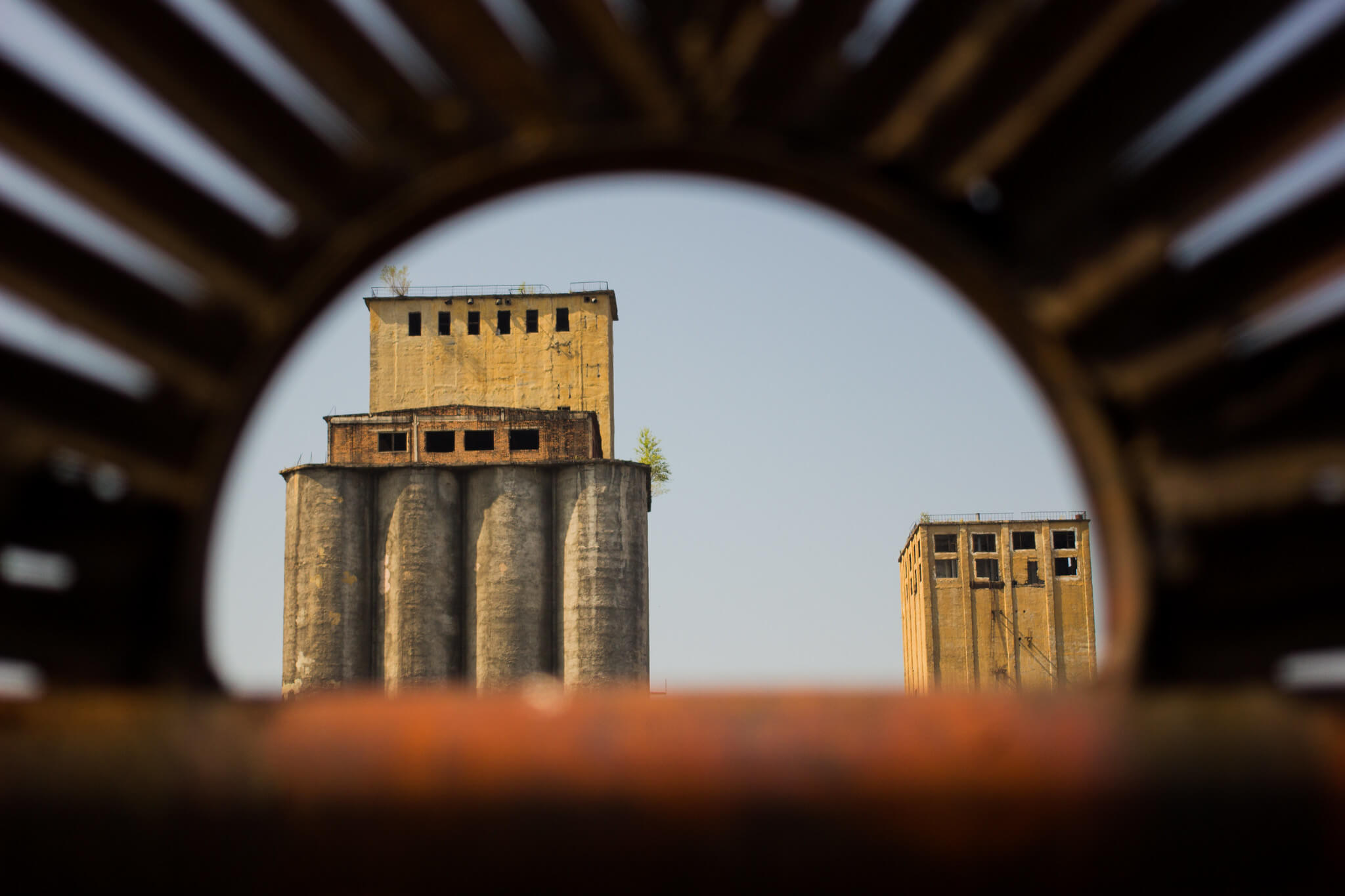
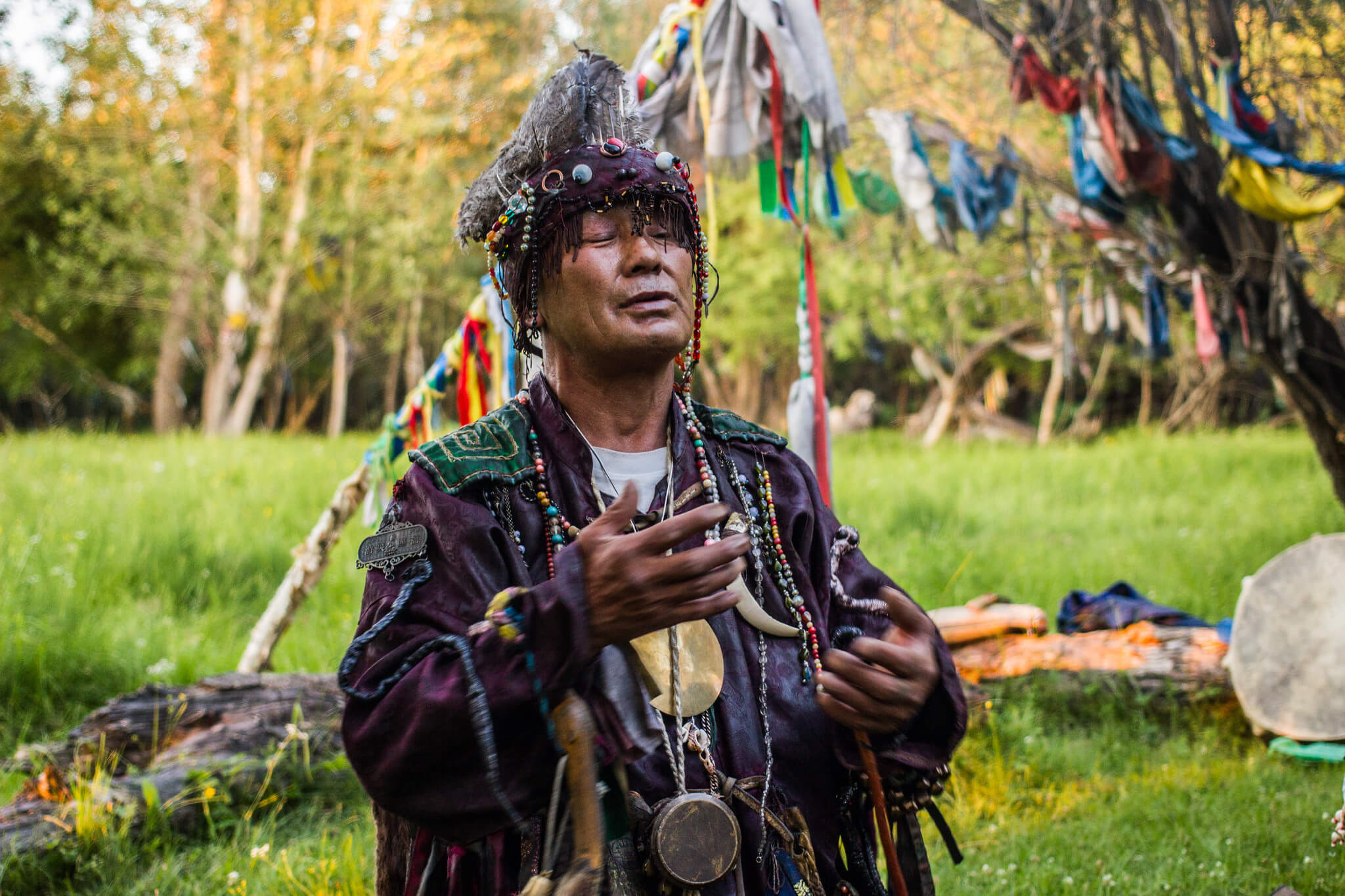
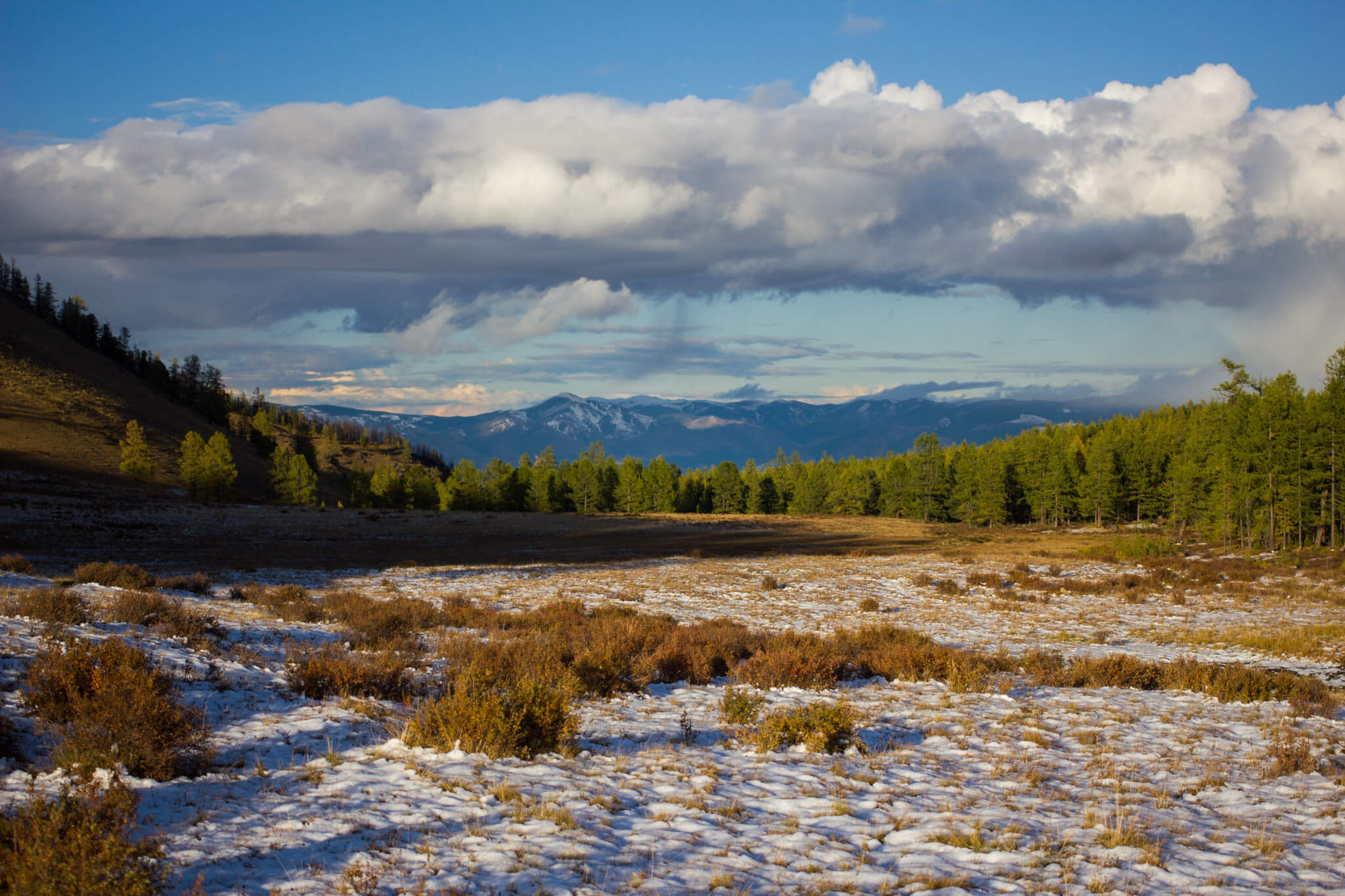
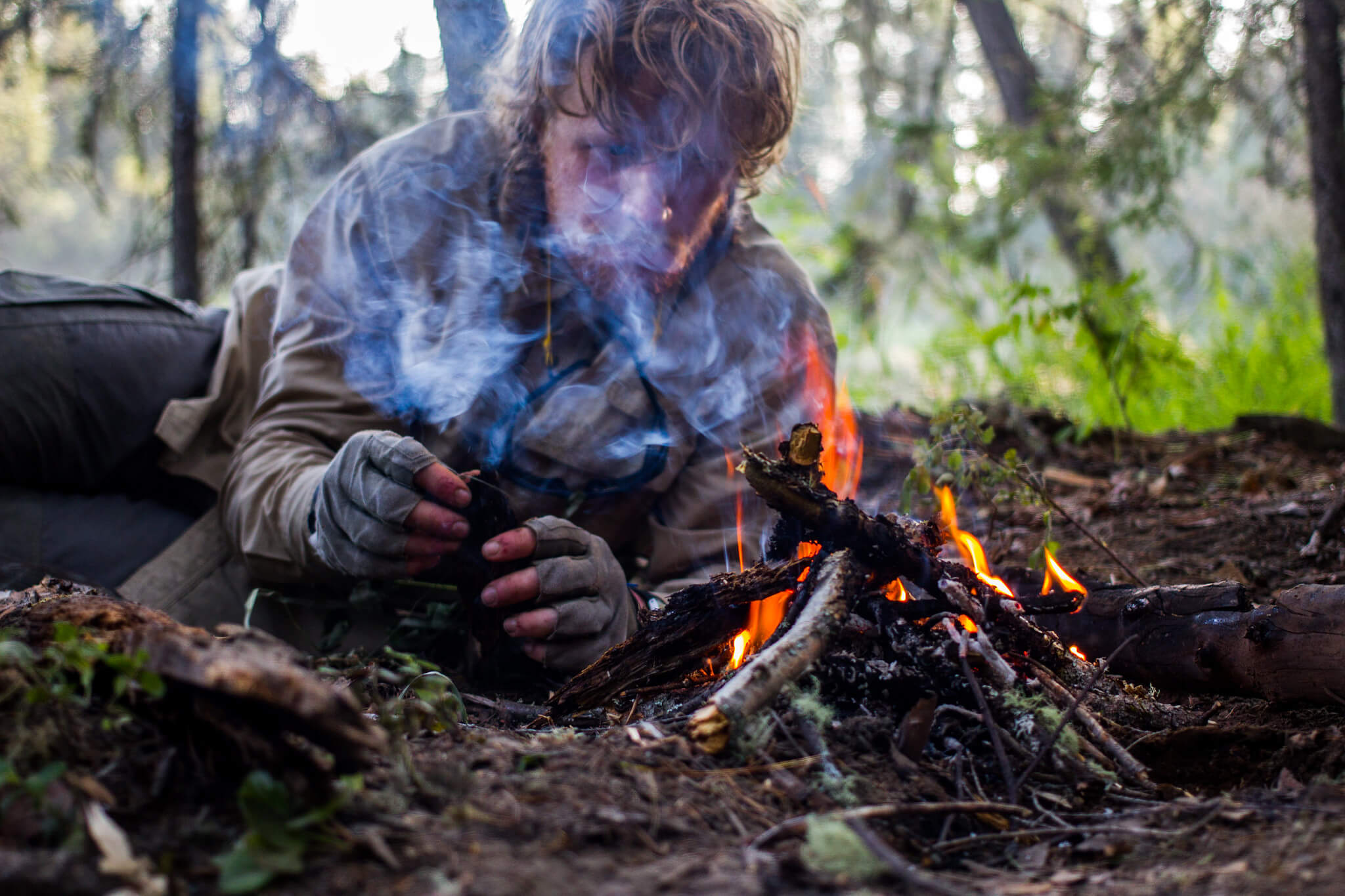
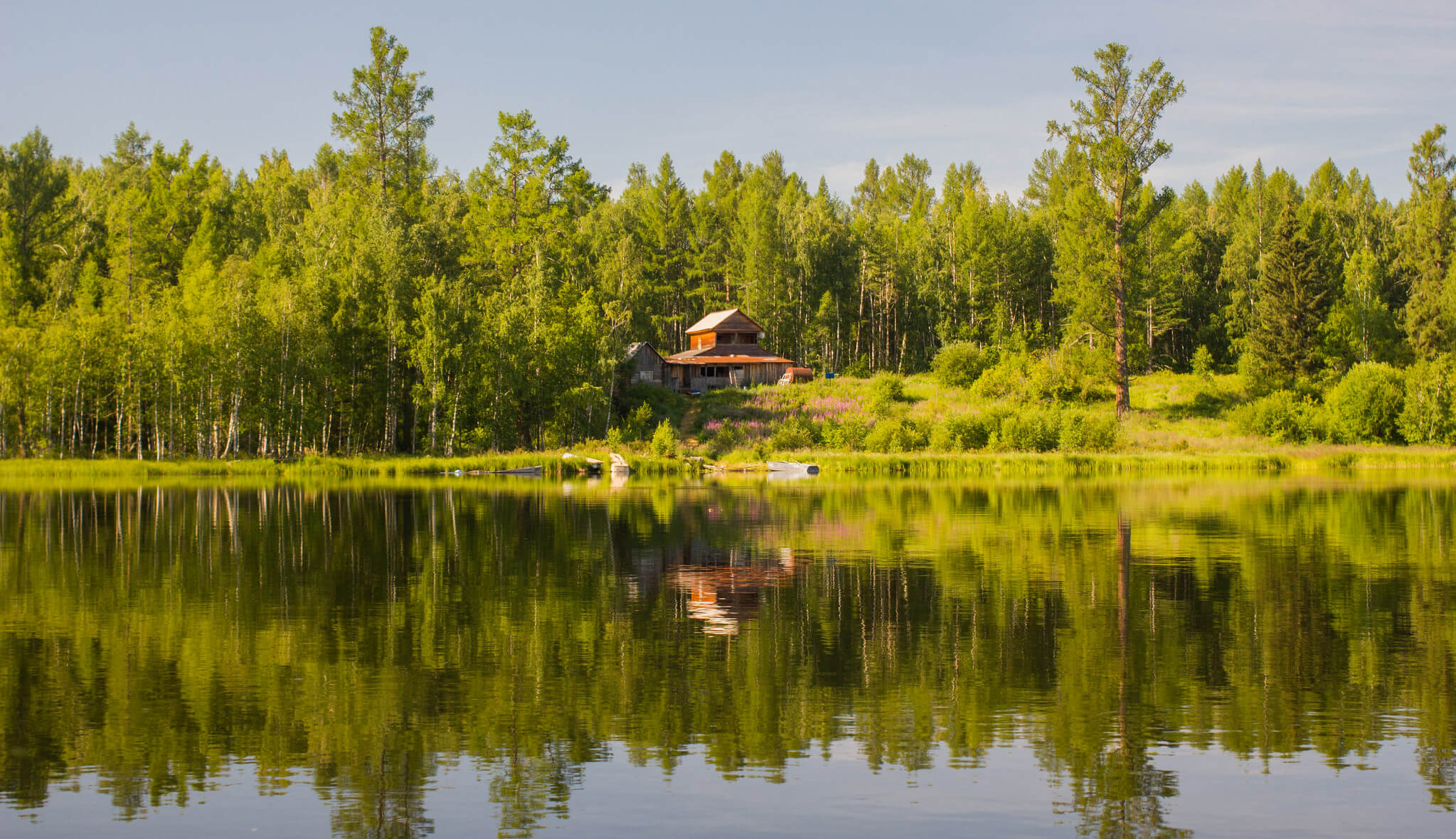
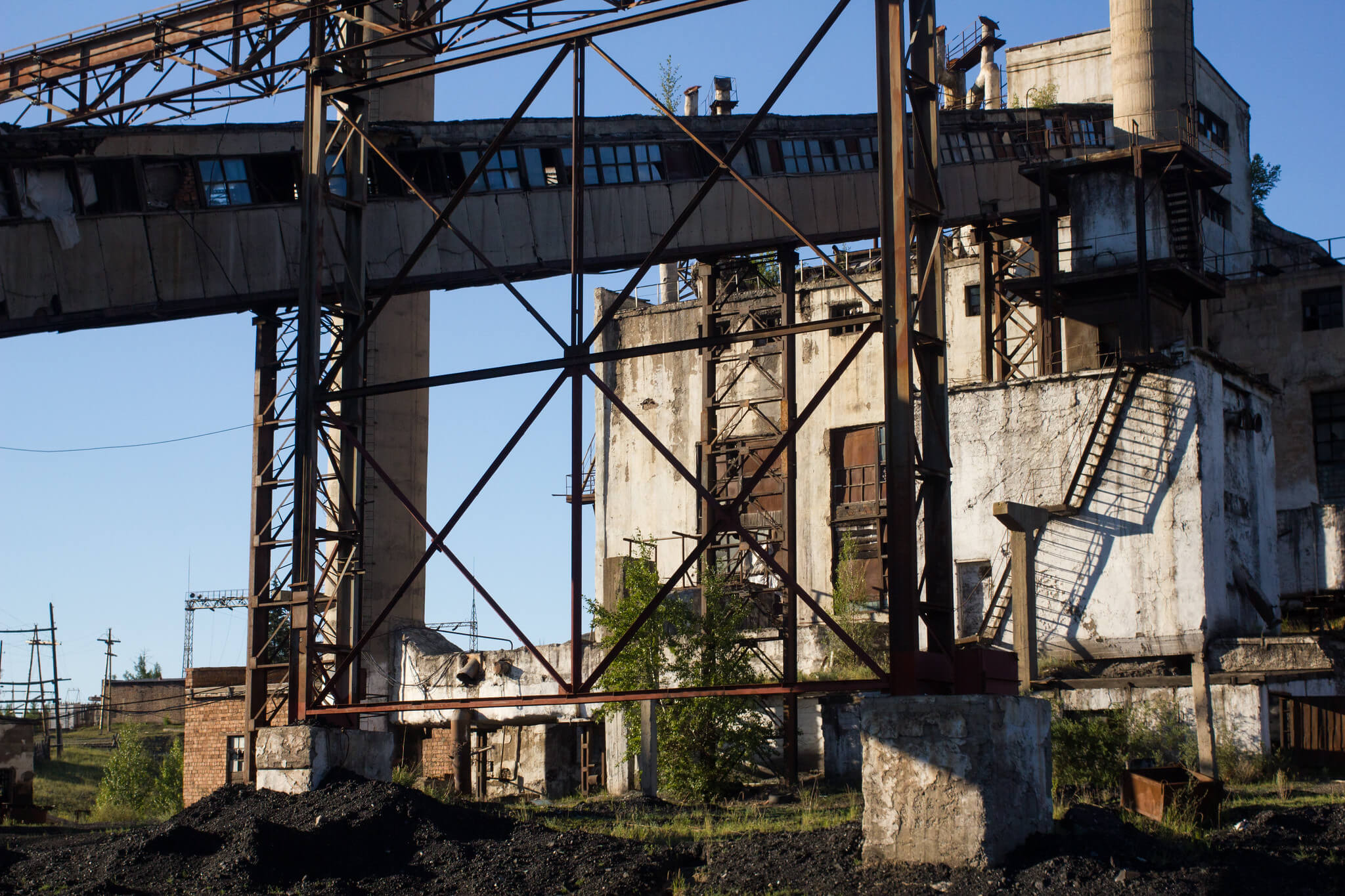
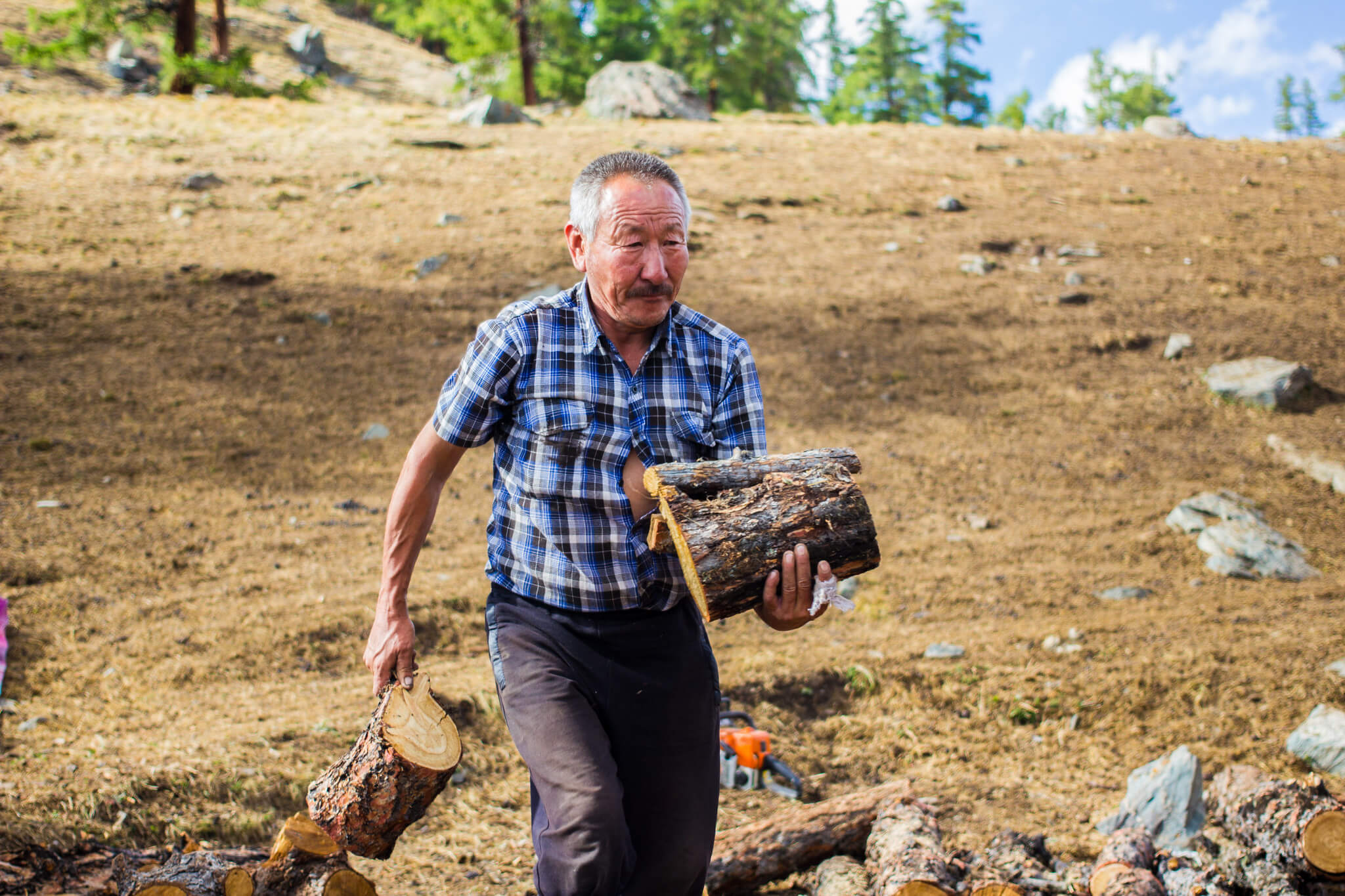
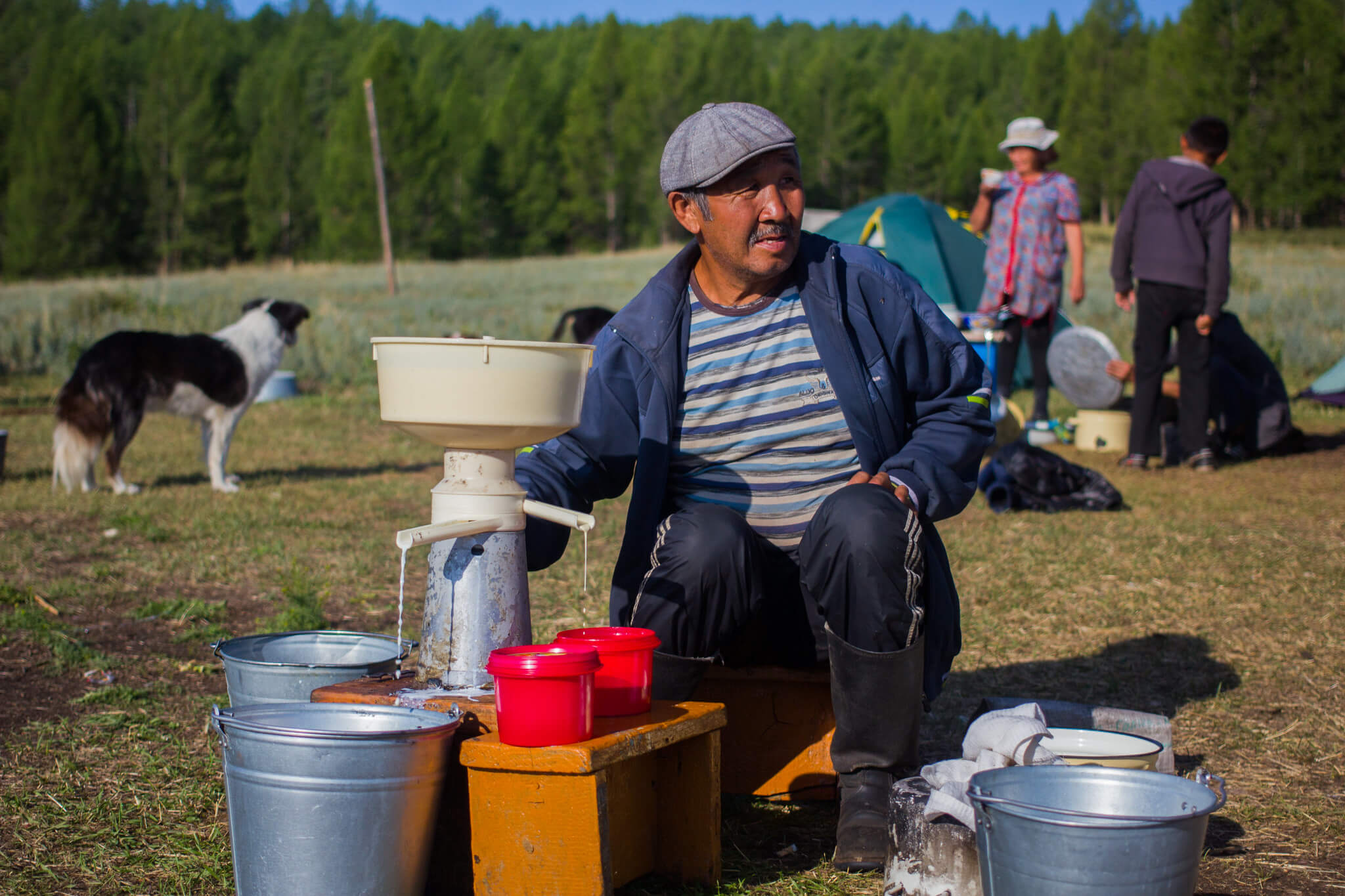
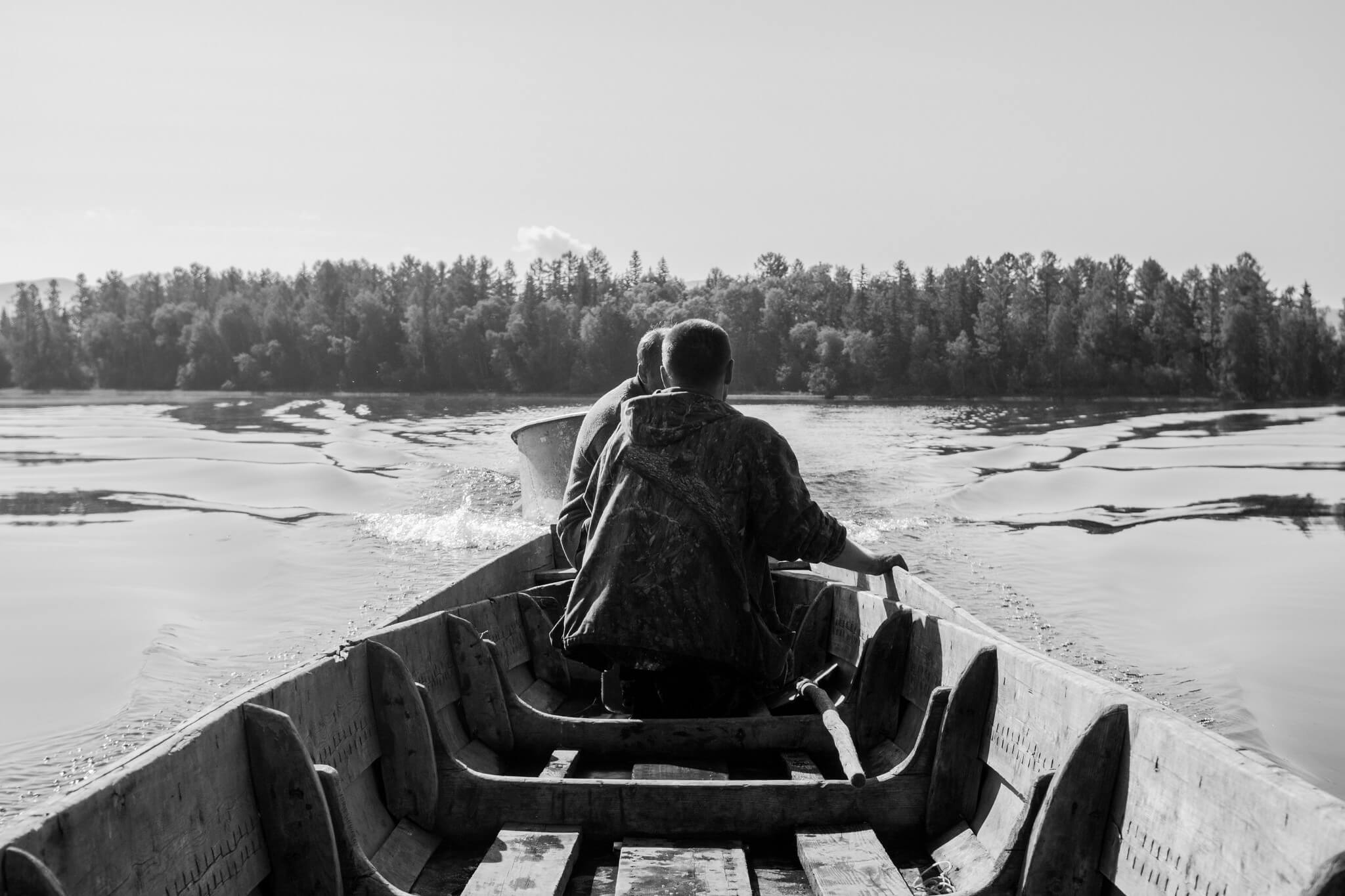
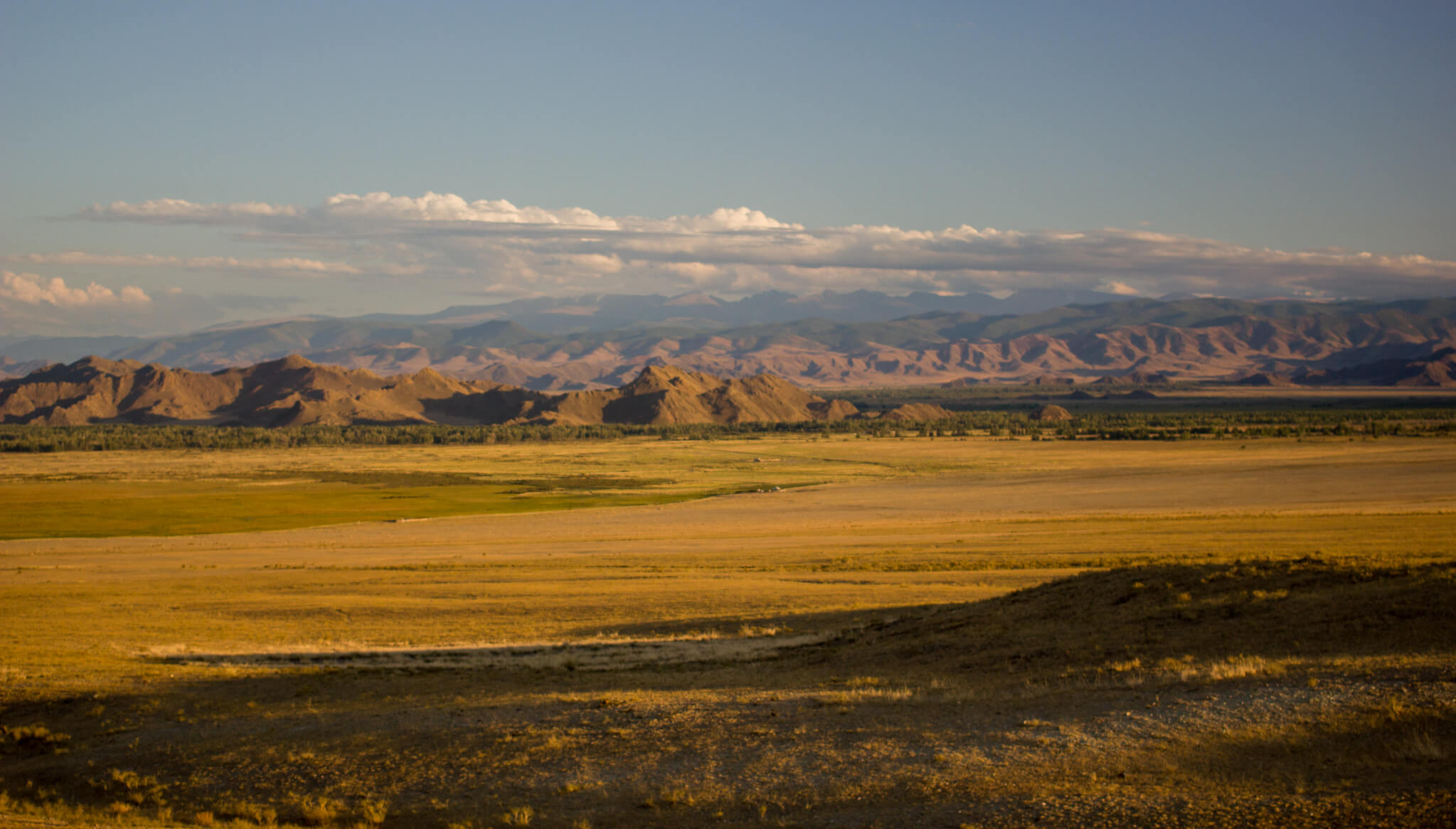
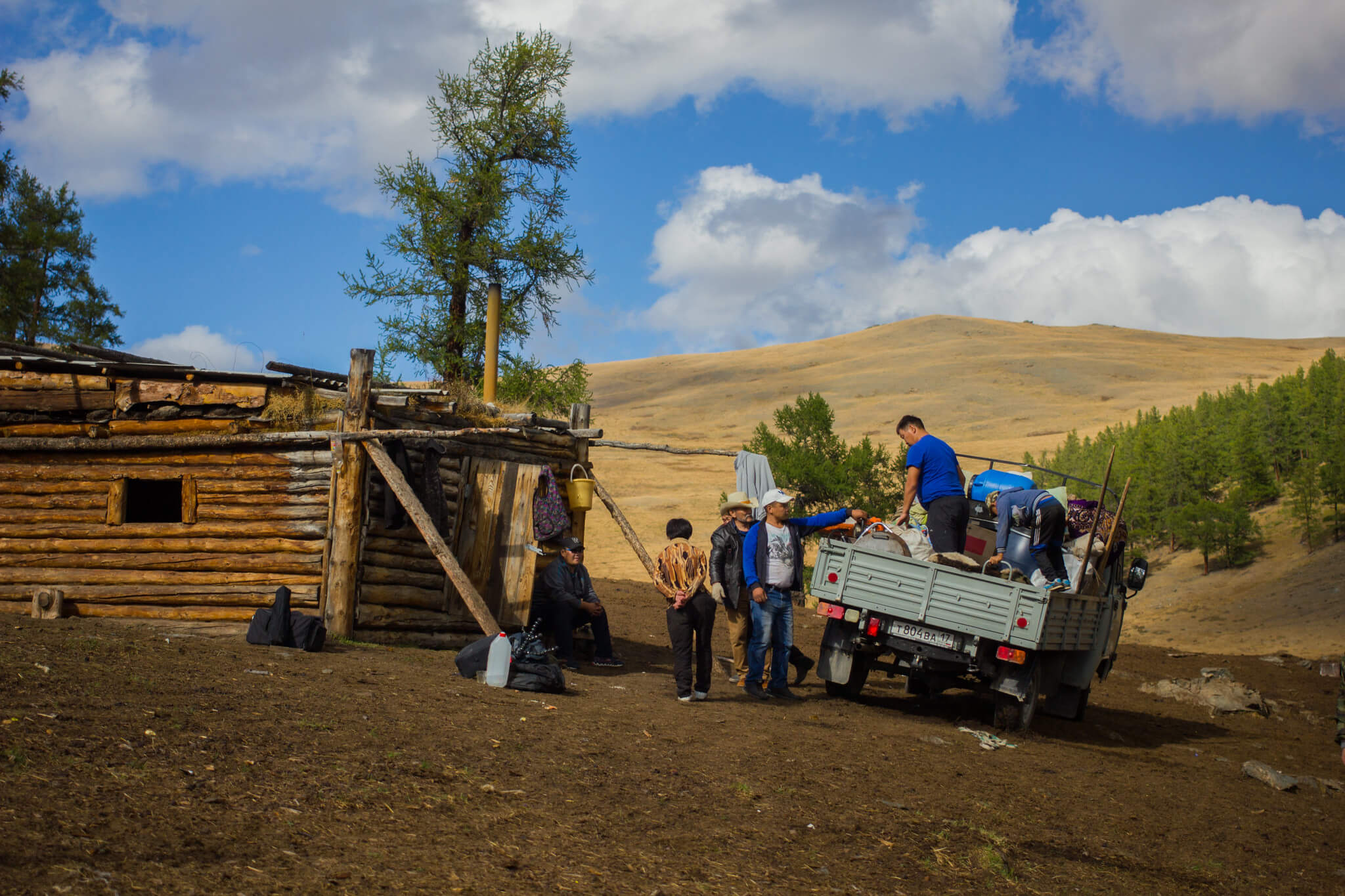
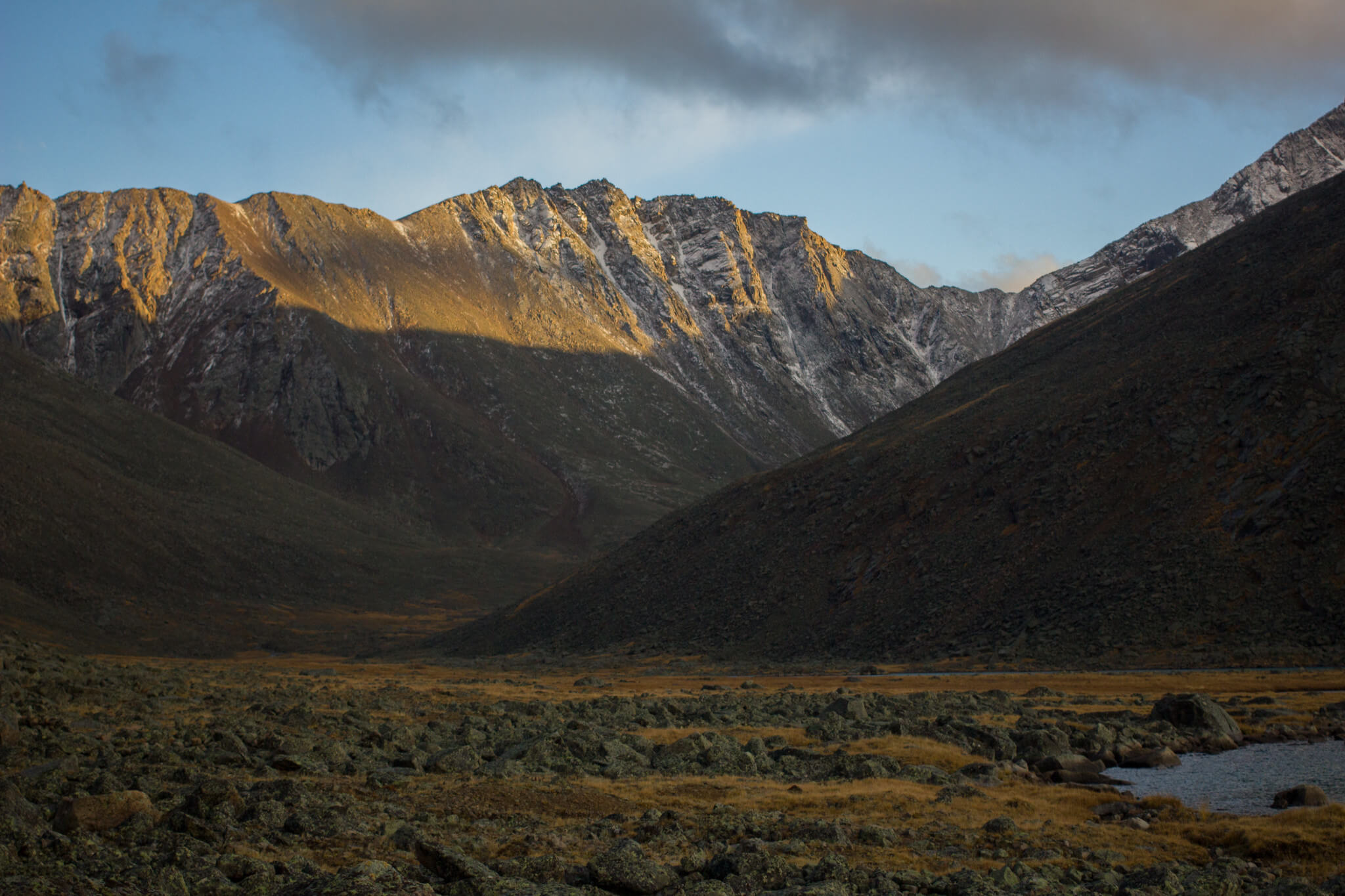
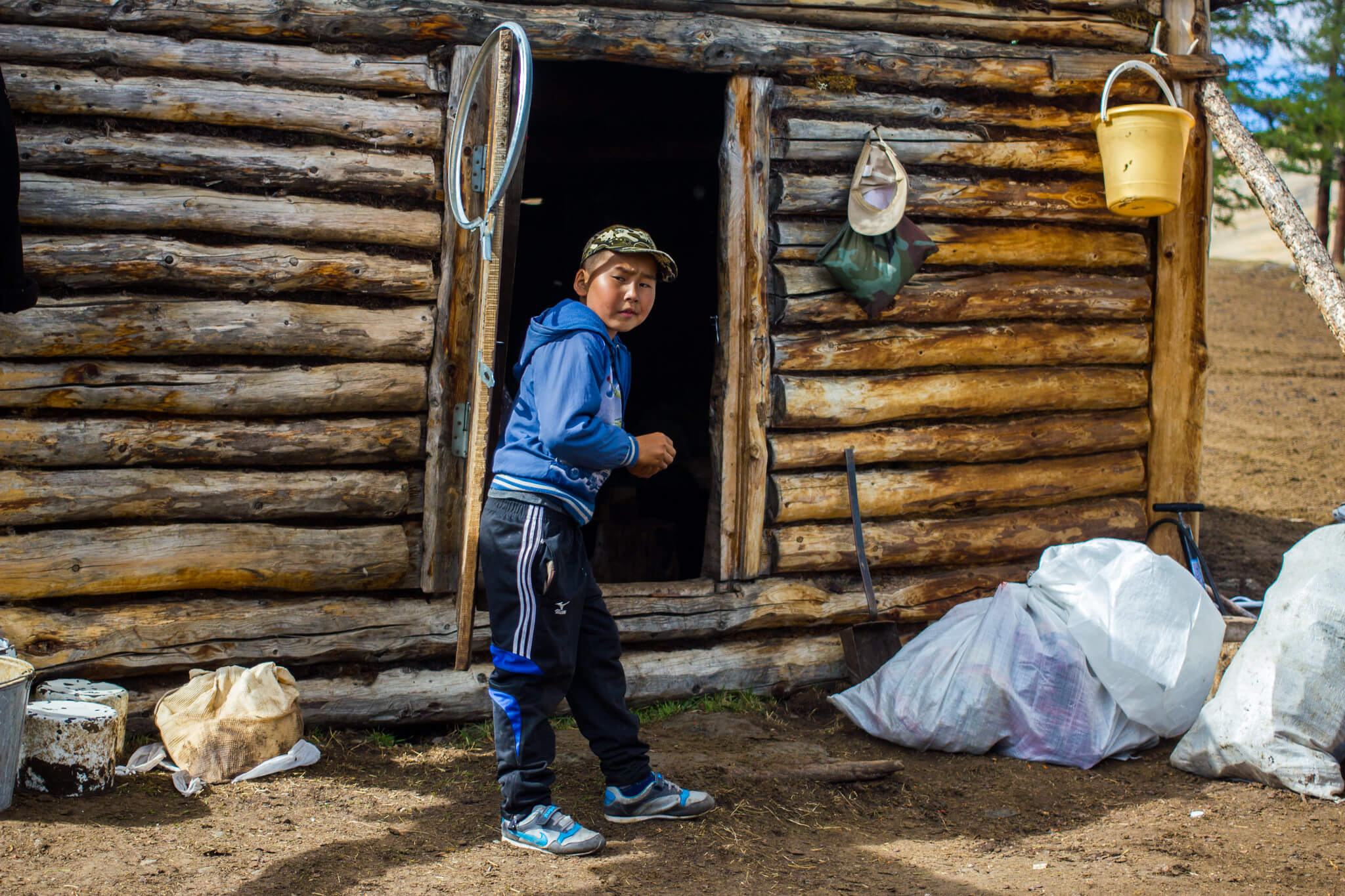
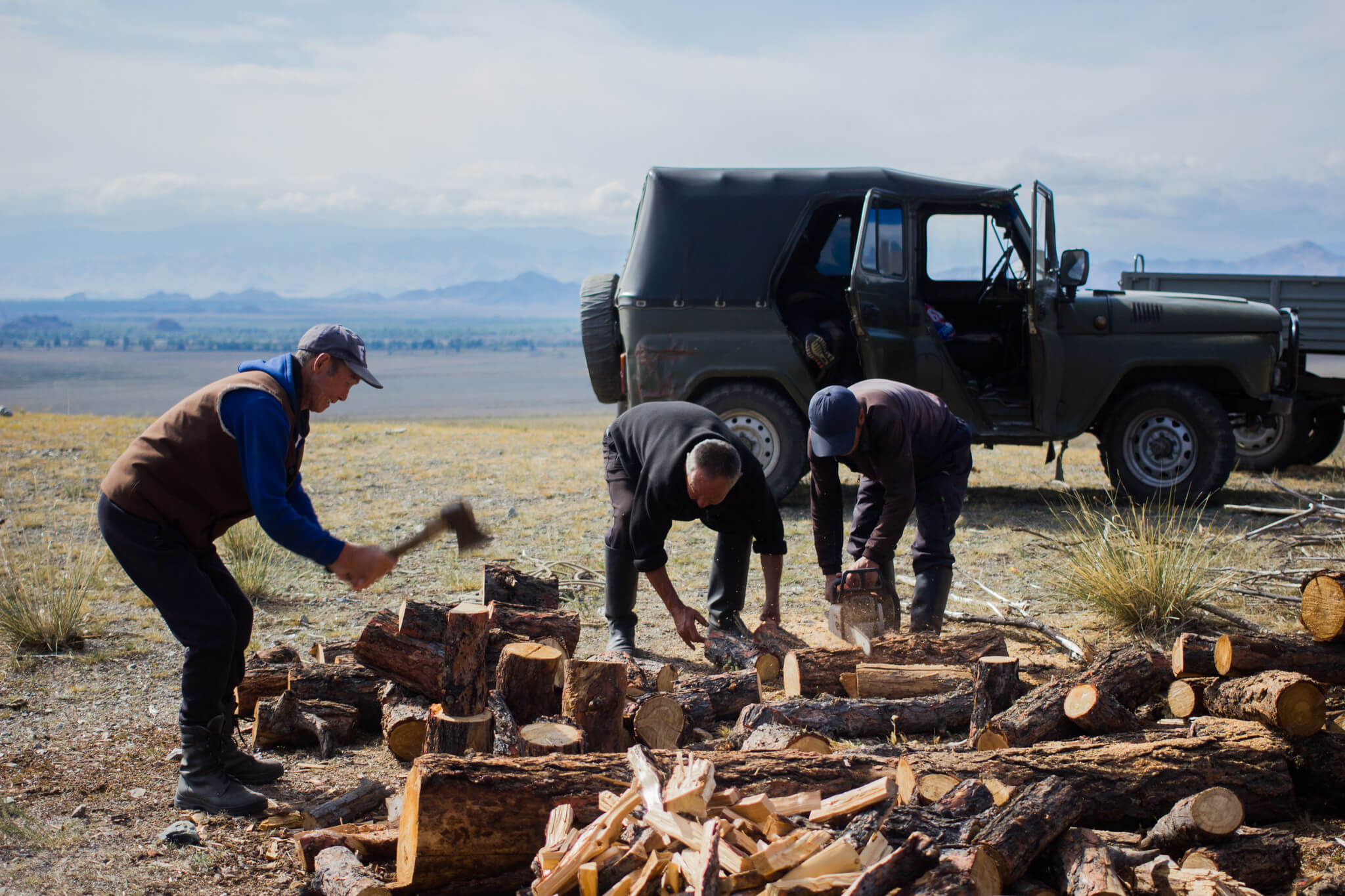
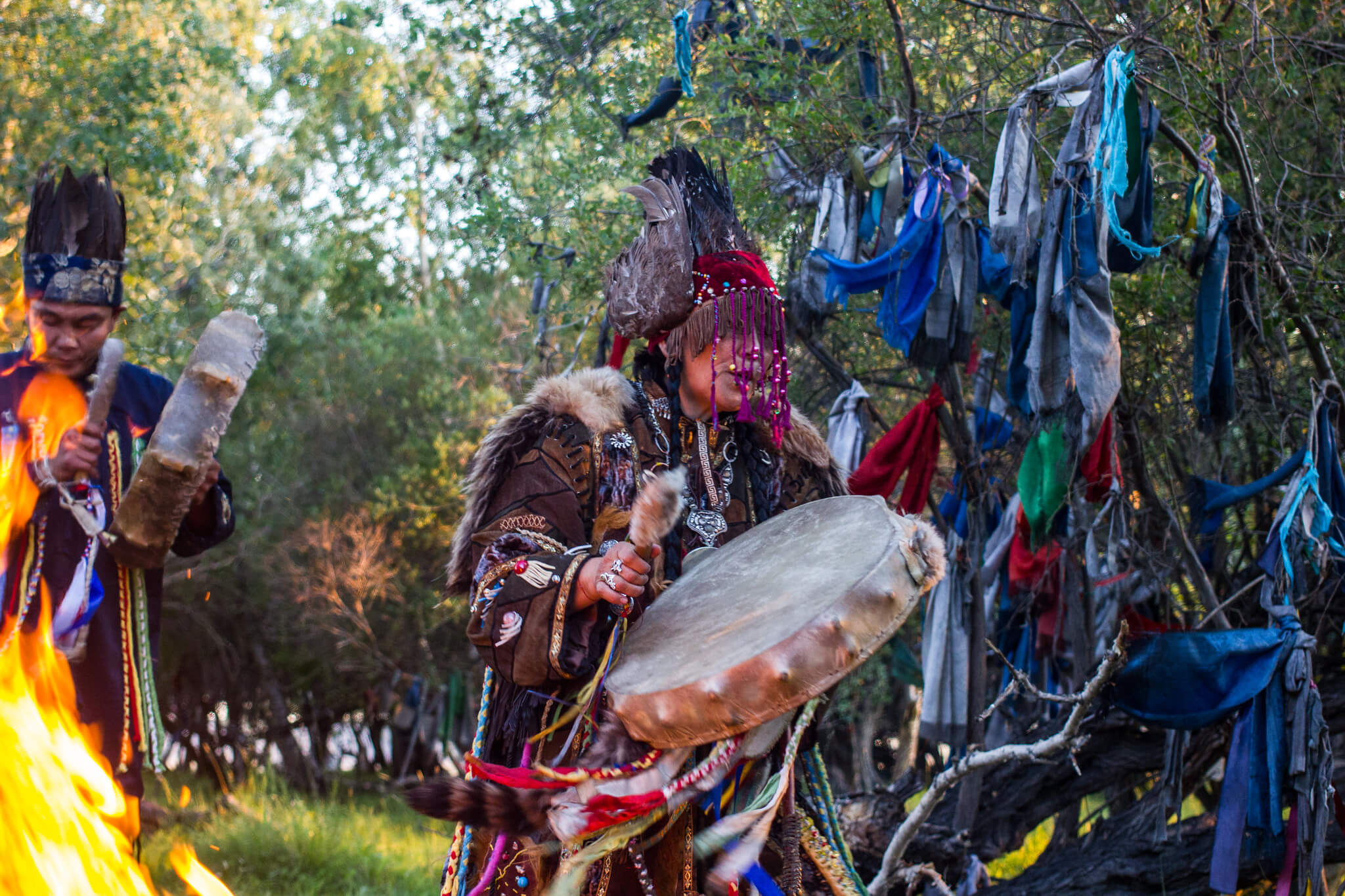
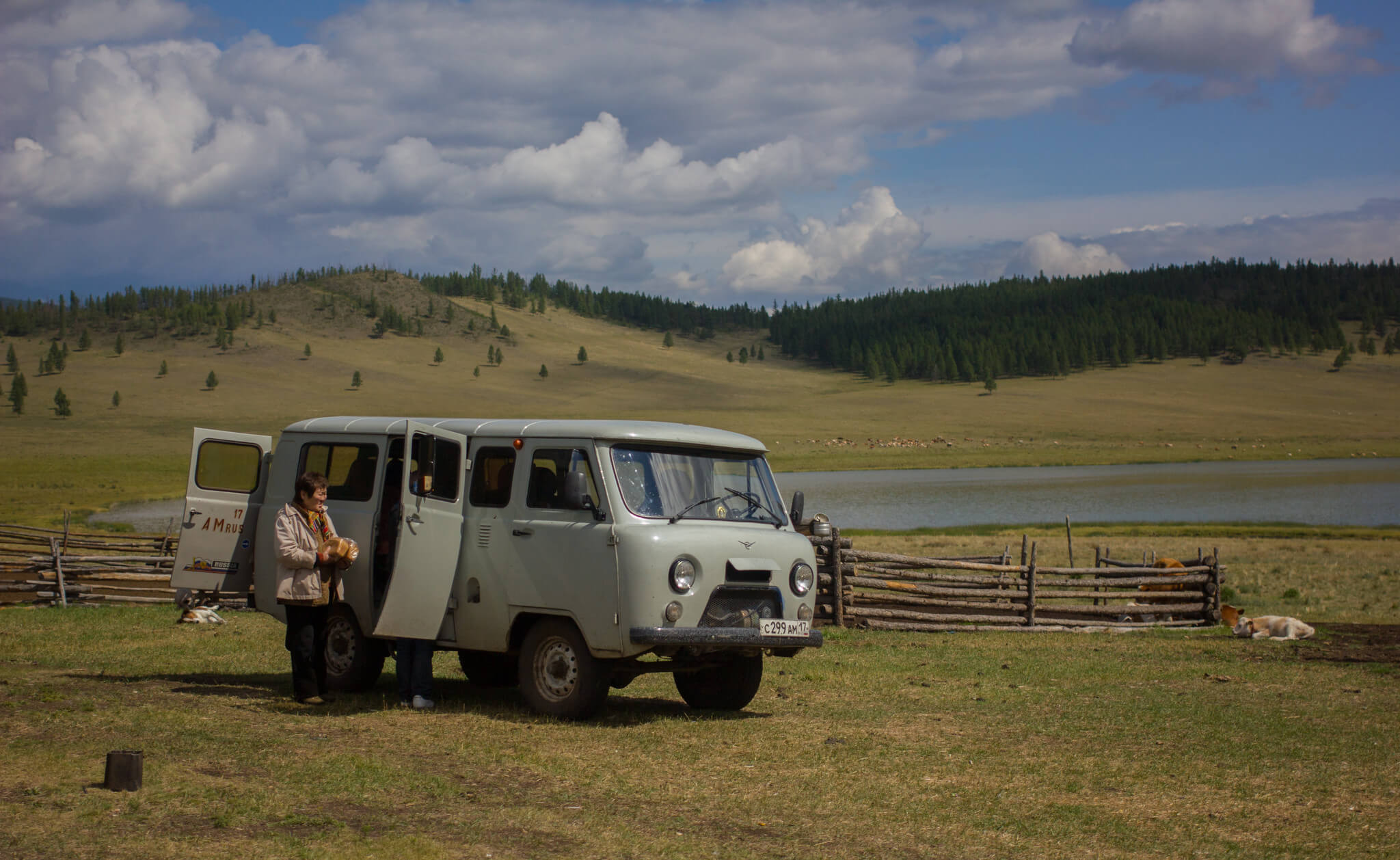
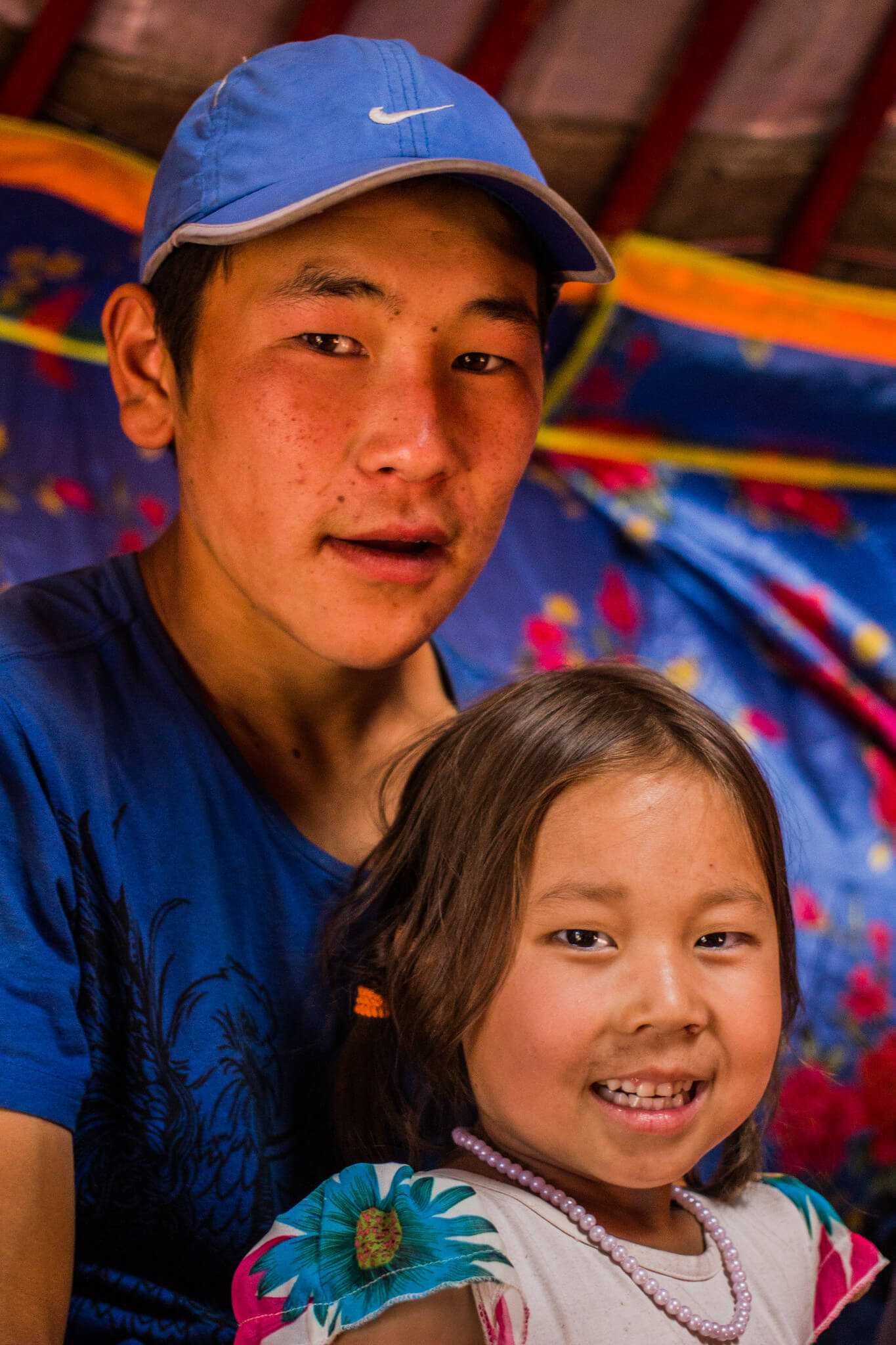
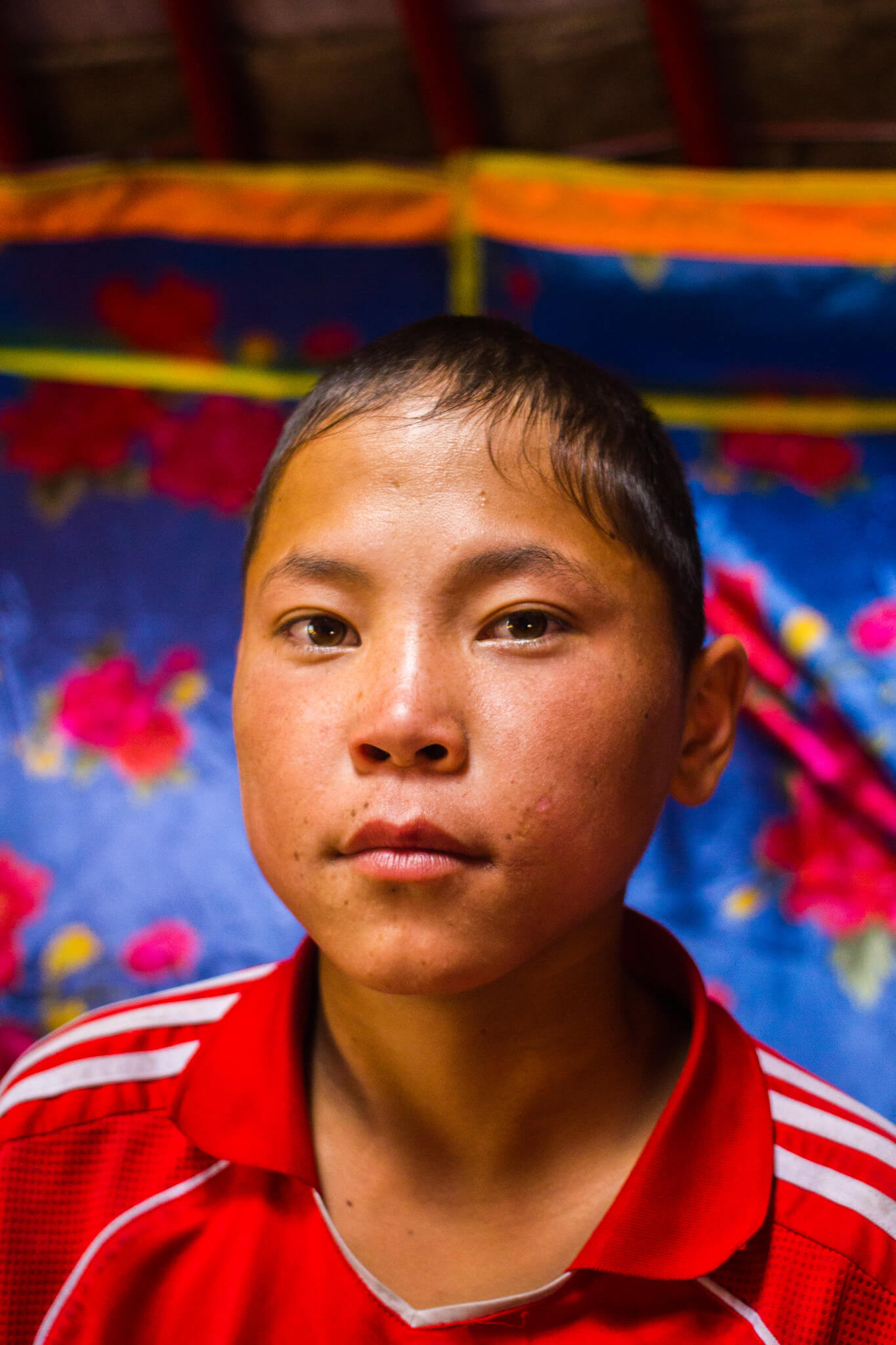
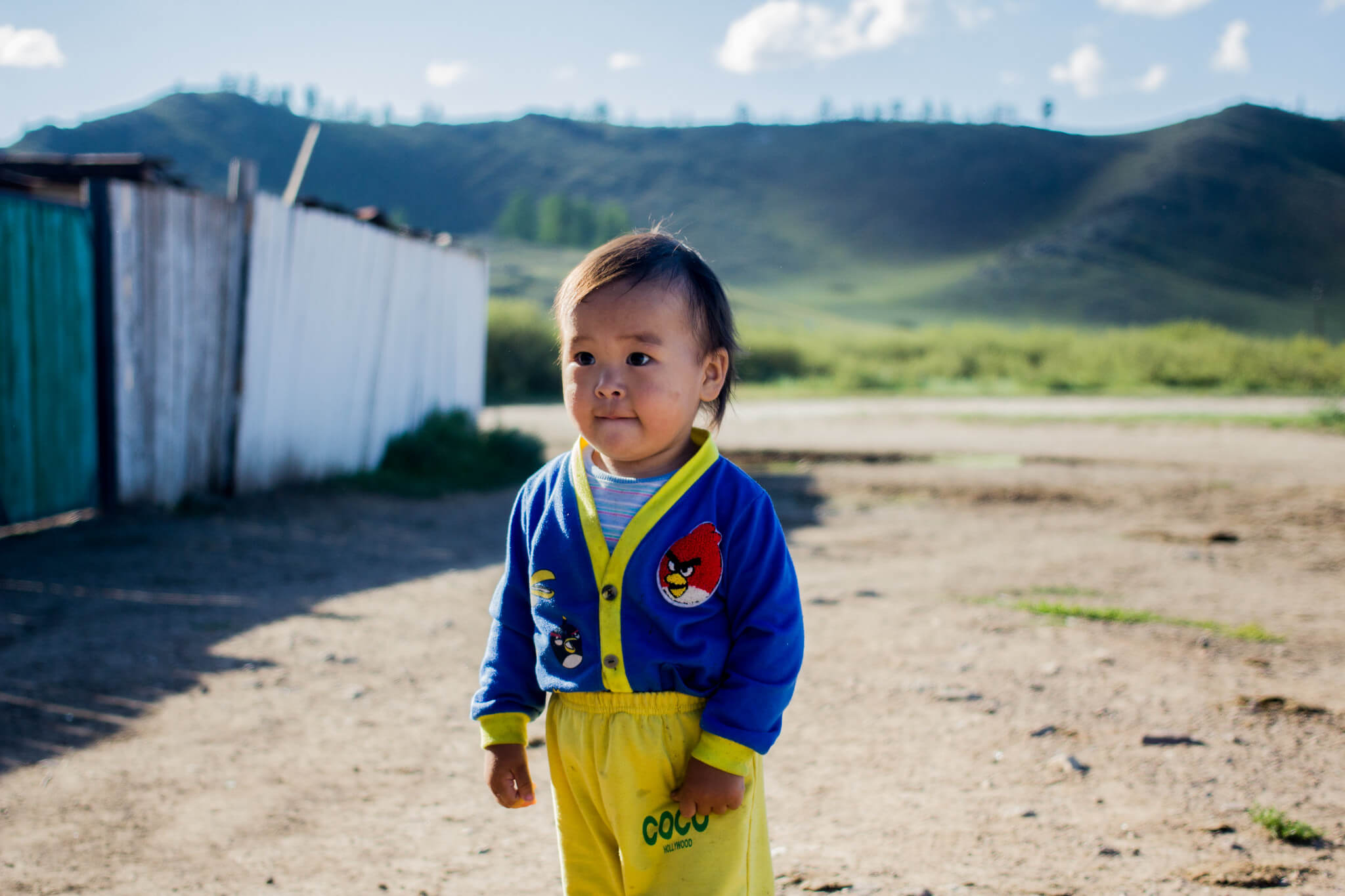
My first experience of Russia was in the Tuva Republic, which borders northern Mongolia. Tuva is best known for its distinctive throat singing (khoomei) and for being the geographical centre of Asia. This claim is contested — China also stakes a claim to the title, locating it near Ürümqi in Xinjiang Province, depending on how Asia’s boundaries are defined and which map projection is used. These Tuva photos are from my 2015 trip to the region.
My interest in Russia began in 2010, during a climbing expedition in Kyrgyzstan’s Tien Shan Mountains. Over the following five years, I ventured deeper into remote corners of Central Asia and the peripheries of modern-day Russia, drawn by the landscapes and the people I encountered. Among the moments that left an impression were: a Siberian hunter driving through Ölgii, western Mongolia, with two freshly shot wolves lashed to his UAZ 4×4; two Russians in an old beater car, crossing the eastern Kazakh steppes to greet my friend and me with vodka toasts during a 2013 horseback journey; and Radik, a warm, boisterous Russian man who became a camel breeder in Uzbekistan’s Kyzyl Kum Desert. Each meeting deepened my fascination with the region.
Beyond these Tuva photos, you can learn more about the republic through Kushkash-Ool (Bird Boy), a 2011 ethnographic film by Vladimir Kopush. The film follows Sean Quirk, an American who has lived in Tuva for many years, speaks fluent Tuvan, and managed the Alash Ensemble, one of the region’s most renowned throat-singing bands.